

Why Mental Training Is Surface-Level in Elite Ice Hockey
Failed to add items
Add to cart failed.
Add to wishlist failed.
Remove from wishlist failed.
Follow podcast failed
Unfollow podcast failed

Why Mental Training Is Surface-Level in Elite Ice Hockey
-
Narrated by:
-
Written by:
About this listen
Most elite ice hockey teams don’t fail because of mindset, confidence, or motivation.
They fail because performance collapses below the level sports psychology can reach.
In this episode, we dissect why traditional mental training is fundamentally surface-level — operating in the cognitive layer — while elite ice hockey performance is decided inside the nervous system under speed, threat, fatigue, and chaos.
We examine:
why focus cues, breathing, and confidence disappear at game speed
how collision, momentum swings, and fatigue bypass conscious control
the biological limits of sports psychology in elite environments
why players “know what to do” but lose access under pressure
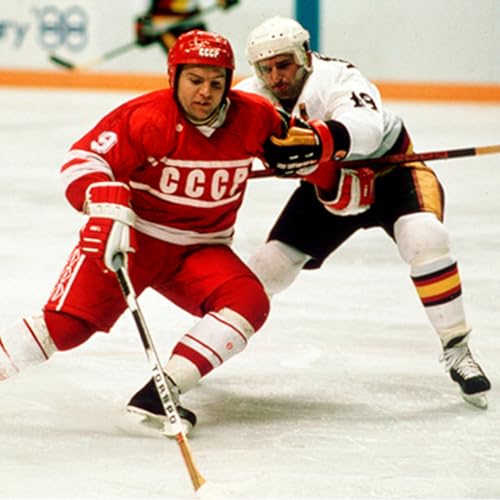
how dominant systems (including Soviet ice hockey) trained control without calling it “mental”
This is not a critique of psychology — it’s a clarification of where it stops working.
Elite hockey isn’t lost mentally.
It’s lost neurally.
A clinical, systems-level breakdown for coaches, practitioners, and high-performance environments that want real answers — not surface solutions.