

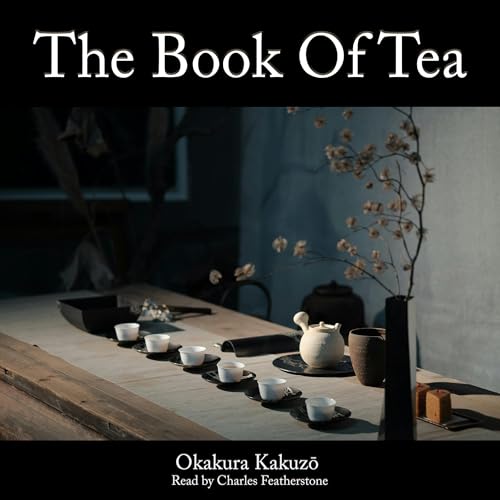
The Book Of Tea
How A Humble Brew Shaped Japanese Art, Architecture, Fashion, Flowers, And Philosophy
Failed to add items
Add to cart failed.
Add to wishlist failed.
Remove from wishlist failed.
Follow podcast failed
Unfollow podcast failed
 New to Audible Prime Member exclusive:
 2 credits with free trial

The Book Of Tea
Buy Now for ₹93.00
-
Narrated by:
-
Charles Featherstone
-
Written by:
-
Okakura Kakuzō
About this listen
"Tea began as a medicine and grew into a beverage... Teaism is a cult founded on the adoration of the beautiful among the sordid facts of everyday existence... It inculcates purity and harmony, the mystery of mutual charity, the romanticism of the social order. It is essentially a worship of the Imperfect."
In this short but enlightenimg book, Okakura Kakuzo reveals that tea is a doorway to the soul of the East and the essence of Japanese art and culture. He traces tea's journey from Chinese medicine to Japanese ceremony. The essence of the journey is in the tea masters, who influence everything from architecture and home decor to fashion and social norms. The Sukiya tearoom, or Abode of Fancy, is "an oasis in the dreary waste of existence", intentionally simple and asymmetical, for "true beauty could be discovered only by one who mentally completed the incomplete", .
Through the twin philosophies of Daoism and Zen, Okakura shows how tea infuses the art of living: how to arrange flowers as an offering, how to walk a garden path as a meditation, how to approach a masterpiece as one would "approach a great prince." "The truly beautiful must be always in it", whether in a single perfect flower plucked from a garden, a kettle that sings of distant seas, or a bowl that holds "the sweet reticence of Confucius, the piquancy of Laotse, and the ethereal aroma of Sakyamuni himself."
As Kakuzo says, "Let us have a sip of tea. The afternoon glow is brightening the bamboos, the fountains are bubbling with delight, the soughing of the pines is heard in our kettle. Let us dream of evanescence, and linger in the beautiful foolishness of things."