

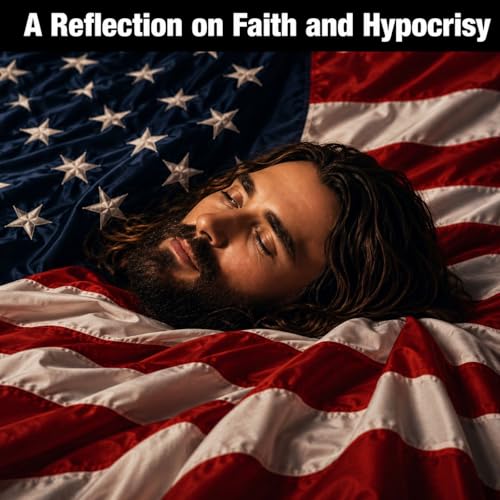
A Reflection on Faith and Hypocrisy
Failed to add items
Add to cart failed.
Add to wishlist failed.
Remove from wishlist failed.
Follow podcast failed
Unfollow podcast failed

A Reflection on Faith and Hypocrisy
-
Narrated by:
-
Written by:
About this listen
A Reflection on Faith and Hypocrisy is a sharp spiritual critique of the gap between professed faith and real compassion. Trey Knowles challenges listeners to examine whether public claims of Christianity are being matched by actions rooted in mercy, justice, and care for the vulnerable.
A judge has ordered the Trump administration to fully fund SNAP benefits to ensure that American citizens are fed. Yet the administration continues to appeal to the Supreme Court in an effort to keep these vital payments frozen.
What kind of Christian actions are these?
Knowles urges people to reflect deeply on that question. Those who claim to follow Christ but stand behind policies that harm the hungry reveal a troubling contradiction. They profess Jesus with their lips, yet their actions seem far removed from the spirit of God. Their faith appears hollow—words without the substance of compassion or justice.
The Warning Against HypocrisyThe Qur'an also speaks about this kind of hypocrisy. In Surah Al-Baqarah 2:19, it describes:
“Or [it is] like a rainstorm from the sky, within which is darkness, thunder, and lightning. They put their fingers in their ears against the thunderclaps in dread of death. But Allah is encompassing of the disbelievers.”This parable illustrates the condition of hypocrites—those who live in fear and confusion, unable to embrace divine truth. The storm symbolizes the turmoil within their souls. The darkness reflects their doubt and moral blindness. The thunder represents their fear when confronted with truth. The lightning is that brief flash of understanding they cannot hold onto.
Their fingers in their ears signify denial—a refusal to truly hear or follow divine guidance. Ultimately, Allah's encompassing presence reminds us that no hypocrisy is hidden. He knows what lies in every heart.
This verse follows others describing those who find light but lose it again—people who move forward only when faith feels easy and retreat when challenged. It serves as a timeless reminder: true belief is measured not by words, but by deeds rooted in compassion, humility, and justice.
Core Themes
- Faith vs. Policy: Knowles highlights how leaders who publicly identify as Christian can still support policies that harm vulnerable communities.
- Hypocrisy in Practice: The central argument is that professing Jesus with words while denying compassion in deeds reveals a hollow faith.
- Interfaith Resonance: By drawing on Surah Al-Baqarah's imagery of storms and darkness, Knowles shows that the warning against false faith reaches across religious traditions.
- Compassion and Justice: The song calls listeners back to mercy, humility, and action that reflects true spiritual conviction.