Episodes

  • Profiles in Ignorance: How America's Politicians Got Dumb and Dumber — Media Incentives
    Feb 11 2026

    Welcome to Crisis in Perception, where we examine the systems shaping our world — one book at a time.

    This episode explores Profiles in Ignorance: How America's Politicians Got Dumb and Dumber by Andy Borowitz as a systems-level analysis of how media-market incentives influence political perception and institutional outcomes.

    By focusing on patterns rather than individuals, the episode shows why these systems persist — even when their consequences are widely recognized.

    📺 Watch on YouTube:
    👉 https://youtu.be/-jN2pJPau8E

    ❤️ Support on Patreon:
    👉 https://www.patreon.com/posts/profiles-in-how-150472366?utm_medium=clipboard_copy&utm_source=copyLink&utm_campaign=postshare_creator&utm_content=join_link

    Author Support

    If these ideas resonate, consider reading the book yourself or borrowing it from your local library. Supporting authors and libraries helps keep critical inquiry accessible.

    Call to Action

    If you value systems-level analysis like this, please like, subscribe, and comment with books or topics you’d like us to explore next.

    AI Use Disclosure

    This content was created using AI-assisted tools for research synthesis, structuring, and narration support. All analysis, framing, and editorial decisions are guided by human judgment as part of the Crisis in Perception project.

    Show More Show Less
    26 mins
  • Marriage and Love — Institutional Marriage and Economic Dependency (Audio)
    Feb 11 2026

    Welcome to Crisis in Perception, where we examine the systems shaping our world — one book at a time.

    This episode explores Marriage and Love by Emma Goldman as a systems-level analysis of how marriage functions as a stabilizing economic structure embedded within legal and cultural institutions.

    By focusing on incentives, constraints, and feedback loops rather than individuals, the episode shows why marriage persists as an institutional solution to economic precarity — even when its limitations are widely recognized.

    📺 Watch the Deep Dive and Mini Explainer on YouTube:
    👉 https://youtu.be/QB73j3i52eQ

    🎉 Apple Podcasts:
    👉 https://podcasts.apple.com/us/podcast/crisis-in-perception/id1876160176

    ❤️ Support Crisis in Perception on Patreon:
    👉https://www.patreon.com/posts/marriage-and-as-150471854?utm_medium=clipboard_copy&utm_source=copyLink&utm_campaign=postshare_creator&utm_content=join_link


    Author Support

    If these ideas resonate, consider reading the book yourself or borrowing it from your local library. Supporting authors and libraries helps keep critical inquiry accessible.

    Call to Action

    If you value systems-level analysis like this, please like, subscribe, and comment with books or topics you’d like us to explore next.

    AI Use Disclosure

    This content was created using AI-assisted tools for research synthesis, structuring, and narration support. All analysis, framing, and editorial decisions are guided by human judgment as part of the Crisis in Perception project.

    Show More Show Less
    31 mins
  • The Federalist Papers — Designing a Republic That Controls Faction
    Feb 11 2026

    Welcome to Crisis in Perception, where we examine the systems shaping our world — one book at a time.

    This episode explores The Federalist Papers by Alexander Hamilton, James Madison, and John Jay as a systems-level analysis of how federal structure influences power distribution, factional management, and institutional persistence.

    By focusing on structural incentives rather than political personalities, the episode shows why constitutional systems endure — even when their consequences are widely debated.

    📺 Watch on YouTube:
    👉 https://youtu.be/cZJjln52Um8

    ❤️ Support on Patreon:
    👉 https://www.patreon.com/posts/federalist-that-150469213?utm_medium=clipboard_copy&utm_source=copyLink&utm_campaign=postshare_creator&utm_content=join_link


    Author Support

    If these ideas resonate, consider reading the book yourself or borrowing it from your local library. Supporting authors and libraries helps keep critical inquiry accessible.

    Call to Action

    If you value systems-level analysis like this, please like, subscribe, and comment with books or topics you’d like us to explore next.

    AI Use Disclosure

    This content was created using AI-assisted tools for research synthesis, structuring, and narration support. All analysis, framing, and editorial decisions are guided by human judgment as part of the Crisis in Perception project.

    Show More Show Less
    40 mins
  • The Evolution of American Liberty and Constitutional Governance — Institutional Design
    Feb 11 2026

    Welcome to Crisis in Perception, where we examine thesystems shaping our world — one book at a time.

    This episode explores The Evolution of AmericanLiberty and Constitutional Governance by Richard Beeman as asystems-level analysis of how constitutional structure influences behavior,belief, and institutional outcomes.

    By focusing on patterns rather than individuals, the episodeshows why constitutional systems persist — even when their consequences arewidely recognized.

    📺 Watch on YouTube:
    https://youtu.be/mwQ_3a1kvkw

    👉 https://youtube.com/@crisisinperception

    ❤️ Support on Patreon:
    👉 https://www.patreon.com/posts/evolution-of-and-150468054?utm_medium=clipboard_copy&utm_source=copyLink&utm_campaign=postshare_creator&utm_content=join_link


    Author Support

    If these ideas resonate, consider reading the book yourselfor borrowing it from your local library. Supporting authors and libraries helpskeep critical inquiry accessible.

    Call to Action

    If you value systems-level analysis like this, please like,subscribe, and comment with books or topics you’d like us to explore next.

    AI Use Disclosure

    This content was created using AI-assisted tools forresearch synthesis, structuring, and narration support. All analysis, framing,and editorial decisions are guided by human judgment as part of the Crisis inPerception project.

    Show More Show Less
    39 mins
  • The Four Agreements: A Practical Guide to Personal Freedom — Domestication as a System
    Feb 11 2026

    Welcome to Crisis in Perception, where we examine the systems shaping our world.
    This episode is also available as a podcast on Apple Podcasts, Spotify, Amazon Music, and other major platforms.

    This episode explores The Four Agreements: A Practical Guide to Personal Freedom by Don Miguel Ruiz as a systems-level examination of how social domestication becomes internal enforcement — shaping belief, identity, and emotional regulation through self-talk, interpretation, and feedback loops.

    Rather than focusing on individual morality or personal solutions, this analysis traces how incentives, constraints, and self-policing mechanisms produce stable outcomes even when the experience is widely criticized or privately resisted.

    Watch the Mini Explainer (short visual overview):
    [Mini] Explainer YouTube link: https://youtu.be/bPZjv_q3occ

    Substack (written version):
    https://substack.com/@crisisinperception

    Permanent links:
    YouTube Channel: https://youtube.com/@crisisinperception
    Apple Podcasts: https://podcasts.apple.com/us/podcast/crisis-in-perception/id1876160176
    Spotify: https://open.spotify.com/show/5tqth7gCLP4z8zvjjLuVYW
    Amazon Music: https://music.amazon.com/podcasts
    Patreon: https://patreon.com/CrisisInPerception

    Author Support
    If these ideas resonate, consider reading the book yourself or borrowing it from your local library. Supporting authors and libraries helps keep critical inquiry accessible.

    Call to Action
    If you value systems-level analysis like this, please like, subscribe, and comment with books or topics you’d like us to explore next.

    AI Use Disclosure
    This content was created using AI-assisted tools for research synthesis, structuring, and narration support. All analysis, framing, and editorial decisions are guided by human judgment as part of the Crisis in Perception project.

    Show More Show Less
    33 mins
  • Women, Race, & Class — Intersectionality as a System of Power
    Feb 11 2026

    Welcome to Crisis in Perception, where we examine the systems shaping our world.

    This episode explores Women, Race, & Class by Angela Y. Davis as a systems-level examination of how race, gender, and class were historically constructed to operate together, shaping labor, power, and social movements.

    Rather than focusing on individual prejudice or moral intention, the analysis traces how incentives, constraints, and feedback loops produced durable inequalities that persisted even within reform and liberation movements.

    📺 Watch the Mini Explainer on YouTube:
    👉 https://youtu.be/qM6cV9cAWgM

    🎧 Listen on Apple Podcasts, Spotify, Amazon Music, and other major platforms:

    ❤️ Support the project on Patreon:
    https://www.patreon.com/posts/women-race-class-150449038?utm_medium=clipboard_copy&utm_source=copyLink&utm_campaign=postshare_creator&utm_content=join_link👉 https://patreon.com/CrisisInPerception

    Author Support
    If these ideas resonate, consider reading the book yourself or borrowing it from your local library. Supporting authors and libraries helps keep critical inquiry accessible.

    Call to Action
    If you value systems-level analysis like this, please like, subscribe, and comment with books or topics you’d like us to explore next.

    AI Use Disclosure
    This content was created using AI-assisted tools for research synthesis, structuring, and narration support. All analysis, framing, and editorial decisions are guided by human judgment as part of the Crisis in Perception project.

    Show More Show Less
    30 mins
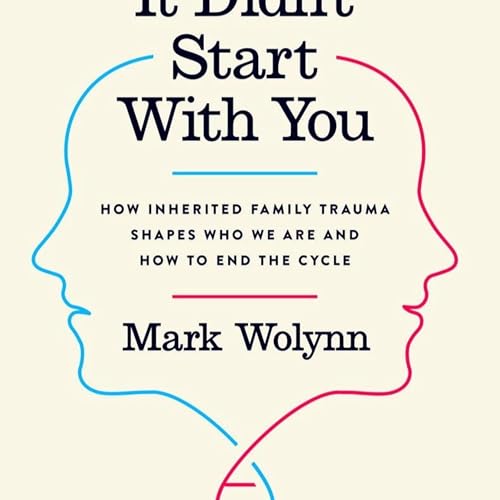
  • It Didn’t Start with You: How Inherited Family Trauma Shapes Who We Are and How to End the Cycle — Trauma as a System
    Feb 10 2026

    Welcome to Crisis in Perception, where we examine thesystems shaping our world.

    This episode explores It Didn’t Start with You: HowInherited Family Trauma Shapes Who We Are and How to End the Cycle byMark Wolynn as a systems-level examination of how unresolved experiences aretransmitted across generations and shape perception, behavior, and identity.

    Rather than focusing on individual pathology or personalresponsibility, the analysis traces how incentives, silences, and feedbackloops within families produce recurring outcomes that persist even when theyare consciously rejected.

    📺 Watch the MiniExplainer on YouTube:
    👉https://youtu.be/DSH53s-c9NI

    🎧 Listen elsewhere:
    Apple Podcasts: https://podcasts.apple.com/us/podcast/crisis-in-perception/id1876160176
    Spotify: https://open.spotify.com/show/5tqth7gCLP4z8zvjjLuVYW
    Amazon Music: https://music.amazon.com/podcasts

    ❤️ Support the project:
    https://www.patreon.com/posts/it-didnt-start-150446467?utm_medium=clipboard_copy&utm_source=copyLink&utm_campaign=postshare_creator&utm_content=join_link👉 https://patreon.com/CrisisInPerception

    Author Support
    If these ideas resonate, consider reading the book yourself or borrowing itfrom your local library. Supporting authors and libraries helps keep criticalinquiry accessible.

    Call to Action
    If you value systems-level analysis like this, please like, subscribe, andcomment with books or topics you’d like us to explore next.

    AI Use Disclosure
    This content was created using AI-assisted tools for research synthesis,structuring, and narration support. All analysis, framing, and editorialdecisions are guided by human judgment as part of the Crisis in Perceptionproject.

    Show More Show Less
    35 mins
  • Formerly Known as Food: How the Industrial Food System Is Changing Our Minds, Bodies, and Culture — Food as Infrastructure
    Feb 10 2026

    Welcome to Crisis in Perception, where we examine the systems shaping our world.

    This episode explores Formerly Known as Food by Kristin Lawless as a systems-level examination of how the industrial food system reshapes human biology, taste, labor, and public health outcomes.

    Rather than focusing on individual choices or personal responsibility, this analysis traces how incentives, institutional capture, and time scarcity produce health outcomes that persist even when they are widely recognized and criticized.

    📺 Watch the Mini Explainer (short visual overview):
    👉 https://youtu.be/TCM6s5WzI58

    🎧 Prefer video? Watch on YouTube:
    👉 https://youtu.be/LDwrRAF2Hnc

    ❤️ Support the project on Patreon:
    https://www.patreon.com/posts/formerly-known-150443745?utm_medium=clipboard_copy&utm_source=copyLink&utm_campaign=postshare_creator&utm_content=join_link

    👉 https://patreon.com/CrisisInPerception

    Author Support
    If these ideas resonate, consider reading the book yourself or borrowing it from your local library. Supporting authors and libraries helps keep critical inquiry accessible.

    Call to Action
    If you value systems-level analysis like this, please like, subscribe, and comment with books or topics you’d like us to explore next.

    AI Use Disclosure
    This content was created using AI-assisted tools for research synthesis, structuring, and narration support. All analysis, framing, and editorial decisions are guided by human judgment as part of the Crisis in Perception project.

    Show More Show Less
    45 mins