

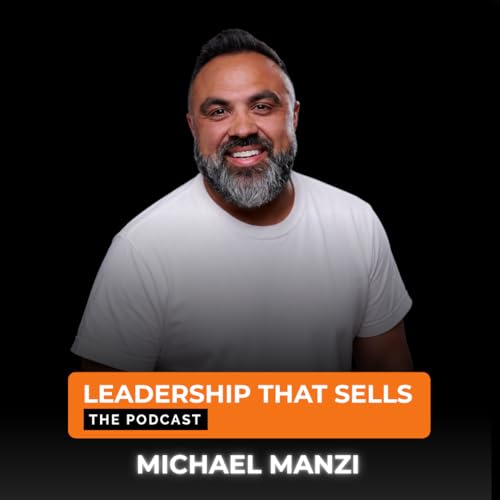
140. Michael Manzi - How to Build Sales Systems that Scale
Failed to add items
Add to cart failed.
Add to wishlist failed.
Remove from wishlist failed.
Follow podcast failed
Unfollow podcast failed

140. Michael Manzi - How to Build Sales Systems that Scale
-
Narrated by:
-
Written by:
Most commercial leaders think they’ve got a pipeline problem when they’ve actually got a systems diagnosis problem. This conversation with Michael Manzi gets into the difference between copying tactics and actually understanding what drives performance. There’s a massive difference.
We talked about why most sales playbooks fail when they’re transplanted into a new business, how leaders accidentally drive top performers out of the door, and the one variable Mike found that doubled a sales team’s win rate in 30 days. If you run a revenue function, there’s a lot in here worth stealing.
In this episodeA lot of leaders confuse tools with strategy. That’s where things start breaking.
- How to separate a real playbook from recycled tactics
- How to identify the single variable actually driving revenue
- How to stop over-managing your top performers
- How to remove excuses before diagnosing performance issues
- How to create buy-in before asking a team to change
- [03:59] Mike admits he drove a top performer out of the business by overcorrecting into rigid management
- [05:00] The idea every commercial leader should steal: make deposits before making demands
- [09:04] Why most “playbooks” are just random tools duct-taped together from previous jobs
- [13:22] The surprisingly brilliant curling analogy for leadership and performance management
- [17:22] The data exercise that uncovered the one variable driving an 87% win rate
- [20:00] How one strategic change doubled sales effectiveness in 30 days
- [28:03] “On your forehead it says: I can fire you” and why great managers never forget it
- OfficialSalesTips.com
- LinkedIn: https://www.linkedin.com/in/MikeManzi7
If you enjoyed this one, follow the show, leave a review, and share it with someone carrying a revenue number on their back right now. These conversations are for people trying to build something real, not just sound clever in a board meeting.