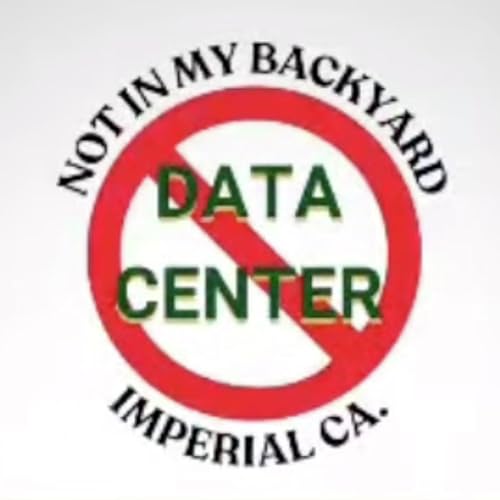
90 Miles from Needles: the Desert Protection Podcast cover art

90 Miles from Needles: the Desert Protection Podcast

90 Miles from Needles: the Desert Protection Podcast

Written by: Chris Clarke
Listen for free

About this listen

Join Chris Clarke and a variety of guests as they explore the challenges and opportunities of the American Southwest's fragile ecosystems. Engaging interviews with experts, activists, and advocates on conservation, land management, and environmental justice. Science and sentiment, politics and philosophy, hiking and history, culture and creativity all go into defending the desert. Be forewarned: We are out to recruit you to the cause.

2026 Desert Advocacy Media Network
Biological Sciences Science Social Sciences Travel Writing & Commentary
Episodes
  • S5E3: How Honeybees Threaten The Desert's Native Pollinators
    Jan 23 2026

    In this enlightening episode of 90 Miles from Needles, host Chris Clarke explores the intricate world of bees with Mary O' Brien from Project 1100. The conversation delves into the potentially deleterious effects of honeybee apiaries on public lands, a topic that's both counterintuitive and crucial for the public to understand. Honeybees, although often seen as critical to agriculture and ecosystems, can pose significant threats to native solitary bees that have co-evolved with local flowering plants.

    Mary O' Brien sheds light on how these industrious honeybees outcompete their native cousins, impacting pollination dynamics that are vital for the desert's diverse flora. Listeners will gain valuable insights into the importance of preserving native bee species, the complexities of their ecological roles, and the nuanced implications of honeybee proliferation. O'Brien also shares practical strategies for those interested in conservation, emphasizing the importance of habitat protection and mindful consumerism when it comes to honey and pollinator support.

    Key Takeaways:

    • Honeybees, although widely supported and utilized in agriculture, can have adverse effects on native bee populations, outcompeting them for resources and spreading diseases.

    • The high reproductive rate of honeybees poses a threat to native plants relying on solitary native bees for pollination, potentially destabilizing ecosystems.

    • Public lands serve as critical refuges for native bee species, which are often overlooked in conventional conservation discussions.

    • Consumers can contribute to bee conservation efforts by choosing their honey responsibly and fostering habitats for native pollinators.

    • Regulatory frameworks around public land usage play a significant role in the sustainability of native bee populations, calling for increased transparency and stakeholder engagement.

    Notable Quotes:

    1. "Trying to save bees by saving the honeybee is like trying to save birds by saving the chicken."

    2. "Native bees evolved in tandem with flowers, and honeybees are not very good pollinators of many species of plants."

    3. "Once you know native solitary bees are in your world, you really can delight in seeing such diversity."

    4. "Public lands are the wildflower repositories for the Western U.S.; especially in the desert."

    5. "It's often quite attractive to think that you're buying wildflower honey; however, you're almost certainly buying honey that was produced on public land."

    Resources:

    • Project 1100 Website

    • Xerces Society for Invertebrate Conservation

    • The Forgotten Pollinators by Stephen Buchmann and Gary Nabhan

    • Common Bees of Western North America laminated guide

    • Center for Biological Diversity resources on pollinators:

      • Bees

      • Pollinators

      • Pollinators in Peril report

    Discover the intricate dynamics between honeybees and native pollinators and why preserving the biodiversity of our desert ecosystems is more crucial than ever. Listen to the full episode to deepen your understanding of this vital subject and stay tuned to 90 Miles from Needles for more insightful discussions on desert conservation.

    Podcast episode artwork: Mojave poppy bee (Perdita meconis). Photo courtesy Zach Portman / University of Minnesota Department of Entomology via the Nevada Independent.

    Become a desert defender!: https://90milesfromneedles.com/donate

    See omnystudio.com/listener for privacy information.

    Show More Show Less
    1 hr
  • S5E2: Cross-Border Conservation in the Big Bend Ecoregion
    Jan 16 2026

    In this episode of the "90 Miles from Needles" podcast, host Chris Clarke engages in a thought-provoking discussion with guest Rick LoBello about ambitious conservation strategies along the U.S.-Mexico border. Rick shares insights into his life-long campaign to establish a transboundary protected area encompassing Big Bend National Park, Big Bend Ranch State Park, and several protected regions in Mexico. Despite the current political climate, Rick’s vision emphasizes the possibility of international cooperation in conservation efforts as a means to foster better cross-border relationships and protect vital ecosystems.

    Throughout the episode, the conversation traverses a wide range of fascinating topics such as the historical context of the international park proposal and natural wonders of the Big Bend region. The dialogue also highlights the challenges and opportunities in bridging conservation efforts across borders, particularly considering the complex socio-political dynamics. Rick stresses the importance of collaborative frameworks, engaging with local communities, and leveraging relationships to advance conservation initiatives. He draws on past examples of successful cross-border collaborations and provides a roadmap for future actions.

    Key Takeaways:

    • Transboundary Conservation Vision: Rick LoBello shares his initiative to promote a transboundary protected area involving U.S. and Mexican protected lands, aiming for improved environmental preservation and cultural cooperation.

    • The Role of Local Communities: Local Mexican communities like those in Boquillas del Carmen play a crucial role in conservation efforts, showcasing the importance of community engagement in international environmental initiatives.

    • Unique Biodiversity: The Big Bend region boasts a rich diversity of wildlife which includes black bears, desert bighorn sheep, and a wide range of plant life, underscoring its value as a conservation priority.

    • Successful Cross-Border Collaboration: Historical precedents suggest that meaningful, structured collaboration between countries can address mutual conservation challenges effectively, despite political headwinds.

    • Educational Outreach: Rick’s efforts to increase awareness of Chihuahuan Desert biodiversity through initiatives like the El Paso Wildlife Conservation Society and educational events highlight the critical need for public knowledge in conservation success.

    Notable Quotes:

    • "I've made it a mission in my life to do all I can to help make [a transboundary protected area] a reality."

    • "People need to know each other and people need to trust each other if we're going to make progress."

    • "The black bear told us that the environment can heal, and there's hope for other species too."

    • "My main concern when it comes to development is that it be done in a way that's ecologically sensitive."

    • "If they know it and they love it, then they're going to want to protect it."

    Resources:

    • Chihuahuan Desert Education Coalition

    • El Paso Wildlife Conservation Society

    • Chihuahuan Desert Conference: Visit Chihuahua Desert Conference for details on upcoming events.

    Listeners are encouraged to tune into the full episode to explore more about Rick LoBello's inspiring proposals for cross-border conservation, and to stay updated with upcoming episodes of "90 Miles from Needles" for more engaging cont

    Become a desert defender!: https://90milesfromneedles.com/donate

    See omnystudio.com/listener for privacy information.

    Show More Show Less
    41 mins
  • S5E1: Standing Up to Tech Giants: Desert Locals vs. California’s Largest Data Center
    Jan 9 2026

    In this episode of "90 Miles from Needles," host Chris Clarke looks into the contentious topic of a proposed AI data center in Imperial County, California. As the largest project of its kind proposed in the state, local residents, led by community advocates like Gilberto Manzanarez of Valle Imperial Resiste, express concerns over the establishment's potential environmental and social impacts. The discussion emphasizes the community's grassroots efforts to halt the project through public awareness and strategic mobilization against a backdrop of economic challenges in one of California's most underrepresented regions.

    The episode offers a first-hand account of the local opposition to the data center, with residents citing noise pollution, potential environmental degradation, and the betrayal of municipal promises regarding water and electricity resources. Gilberto Manzanarez shares insights on the movement he represents, explaining the importance of community-driven advocacy against powerful interests. The episode underscores ongoing battles for environmental justice and the struggle for local communities to safeguard their living conditions against speculative developments with uncertain long-term consequences.

    Key Takeaways:

    • Gilberto Manzanarez and his organization, Valle Imperial Resiste, advocate for grassroots mobilization to oppose a proposed AI data center in Imperial County due to its potential negative impacts.

    • Residents voiced concerns about noise pollution, diminished property values, and uncertain environmental repercussions during a contentious Imperial County Planning Commission meeting.

    • The Planning Commission's decision to delay the project and set up workshops reflects local pushback and the effort to educate and engage the community more meaningfully in decision-making.

    • The episode highlights broader issues surrounding data centers, including the socio-environmental considerations lacking in many current developmental plans, as seen through examples from other U.S. cities.

    • A call for a moratorium on data center projects until comprehensive policies are in place signals a movement toward more cautious and community-focused development practices.

    Notable Quotes:

    1. “This is no exception. The LLC that's trying to put the project here was only established one year ago. It's a playbook that's been played out in the entire country.”

    2. “One of the things that I noticed, was that there was a lack of information that these organizations gathered, but that information never really made it out to the people.”

    3. “I come from a town called Calexico, California... I'm not putting my entire faith in electeds right now.”

    4. “We want a comprehensive policy revolving around data centers around the Imperial County.”

    Resources:

    • Valle Imperial Resiste Instagram

    • Valle Imperial Resiste Website

    • GoFundMe Campaign for NIMBY Imperial

    Listeners are encouraged to tune into the full episode to grasp the complexities and emotional currents of this important local issue.

    Become a desert defender!: https://90milesfromneedles.com/donate

    See omnystudio.com/listener for privacy information.

    Show More Show Less
    54 mins
No reviews yet