Reincarnation is a belief found in many religious and philosophical traditions, where it is assumed that a person's soul or consciousness can be reborn into a new body after death. This cycle of rebirth continues until the soul reaches a state of enlightenment or fulfillment, depending on the belief system.
In Hinduism, reincarnation is linked to the concept of karma, where one's actions in previous lives determine the circumstances of their rebirth. Similarly, in Buddhism, reincarnation is connected to the cycle of samsara, where beings are trapped in a cycle of birth, death, and rebirth until they achieve nirvana, a state of liberation from suffering.
The idea of reincarnation has also appeared in various other cultures and belief systems throughout history, although the details can vary greatly. Some people find comfort in the idea of reincarnation and see it as an opportunity for personal growth and learning across multiple lifetimes, while others may view it skeptically or dismiss it entirely.
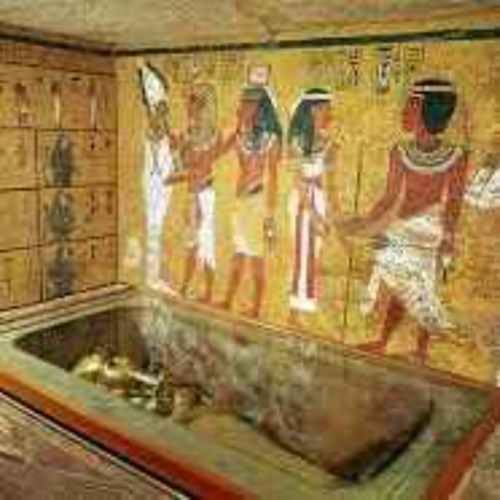
KV55
In the tomb KV55, a number of different findings were discovered, including:
Human remains: The human remains in the tomb belonged to a middle-aged man. The identity of this individual has been the subject of speculation and debate, with theories suggesting it could be Pharaoh Akhenaten, Smenkhkare, or even Akhenaten.
Artifacts: The tomb also contained a variety of artifacts, including pottery, jewelry, and other objects typical of tombs from that period.
Gold and jeweled objects: There were also several items made of gold and precious stones, reflecting the rich cultural and material environment in which the pharaohs lived.
Inscriptions: There were inscriptions and hieroglyphs on the walls of the tomb, contributing to the understanding of its historical and cultural significance.
Hosted on Acast. See acast.com/privacy for more information.


 May 11 20269 mins
 May 10 20268 mins
 May 9 20268 mins
 May 7 202610 mins
 May 6 202611 mins
 May 5 202611 mins
 May 4 202610 mins
 10 mins