• Week 1: Laying the Foundation for Digital Citizenship
    Nov 5 2025

    In an era where social media has overtaken online news sites as the main source of information for many Australians, and where the average child has countless images of themselves posted online before they even start school, the need for conscious digital habits has never been more critical.

    For Australian families, navigating this digital world isn't about rejecting technology, but about building a healthy, balanced relationship with the digital tools that permeate our lives. This newsletter provides evidence-based strategies and local context to help your family thrive both online and offline, fostering digital citizenship that enhances rather than detracts from real-world connections and wellbeing.

    Show More Show Less
    13 mins
  • Laying the Foundation for Digital Citizenship
    Oct 29 2025

    The most effective approach to managing technology at home is not to impose a rigid contract but to facilitate an ongoing conversation. A "Family Tech Agreement" is the physical result of that conversation.1 Research and expert advice consistently show that involving children in the discussion around screen use and rules helps establish their buy-in, limits daily conflict, and builds their crucial skills of self-regulation.6 The process of creating the agreement together builds trust and opens lines of communication, which are far more powerful than the rules themselves.4

    Key starting points for this agreement include establishing "Tech-Free Zones" and a "Central Charging Station".1 Designating the dinner table and bedrooms as device-free areas fosters face-to-face interaction and protects sacred family time.7 Charging all devices overnight in a central location, like the kitchen, helps ensure better sleep and re-establishes the bedroom as a place for rest.1

    Questions:

    1. What is one room in our house that should always be a "no-device" zone and why?

    2. Where is the best central place for us to charge all our devices overnight?

    Family Activity: Sit down as a family with a large piece of paper or a whiteboard. Brainstorm and write down 3-5 core rules for your Family Tech Agreement. Focus on positive framing (e.g., "We put phones away at dinner so we can talk") rather than purely negative rules. Have everyone sign it and post it somewhere visible, like on the refrigerator, as a daily reminder of the shared commitment.6

    Show More Show Less
    14 mins
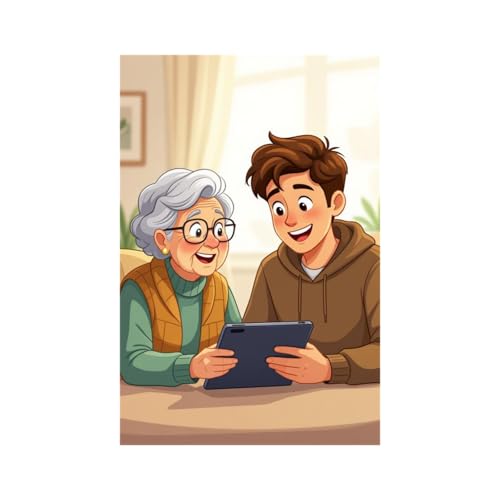
  • Ditch the Digital Police - Why Mentorship and the Grandma Rule
    Oct 30 2025

    "Netiquette," or digital etiquette, refers to the rules of respectful and courteous communication online.1 Because we cannot see facial expressions or hear the tone of voice in text, it is easy for misunderstandings to happen. Behind every screen name and avatar is a real person with real feelings, and words online can have a powerful impact.1

    A simple, powerful guideline for all online interactions is the "Grandma Rule": "Don't say anything online that you wouldn't be comfortable saying to Grandma's face".1 This simple rule makes abstract concepts like respect, kindness, and empathy concrete and relatable. It serves as a quick mental check before posting a comment, sending a message, or sharing content.

    Phishing is a type of scam where criminals try to trick people into giving up personal information, like passwords or credit card numbers. They often do this by sending emails or text messages that look like they are from a legitimate company, such as a bank, a delivery service, or a popular online store.13

    These messages are designed to create a sense of urgency or panic (e.g., "Your account has been suspended!") or excitement (e.g., "You've won a prize!").13 Their goal is to get the recipient to click a malicious link or download a harmful attachment without thinking. This skill of critically evaluating information is a core pillar of digital literacy, protecting not just data but also finances.1 Key red flags include spelling and grammar mistakes, generic greetings like "Dear Valued Customer," and requests for personal information.12

    Show More Show Less
    13 mins