Episodes

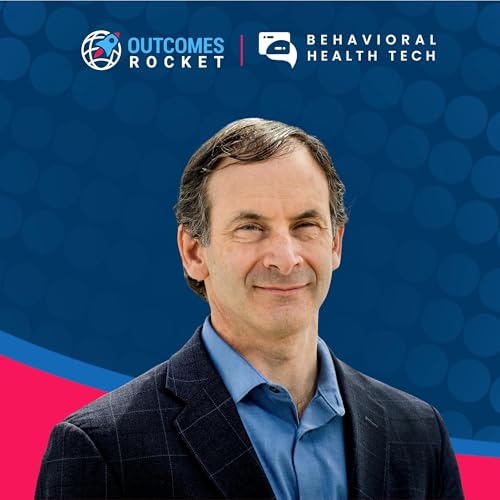
  • From Social Anxiety to Startup: Making Therapy Accessible with founder of oVRcome, Adam Hutchinson
    Jan 27 2026
    Virtual reality can remove the biggest barriers to evidence-based mental health treatment by making exposure therapy affordable, scalable, and accessible anywhere. In this episode, Adam Hutchinson, founder of oVRcome, discusses how lived experience with social anxiety and a background in technology led him to build a VR platform that expands access to exposure therapy worldwide. He explains why traditional exposure therapy is difficult, costly, and impractical for many conditions, and how VR “tricks the brain” to safely replicate real-world triggers without physical constraints. Adam explores the clinical value of immersive, filmed VR environments, the emerging role of generative AI in personalizing treatment, and the importance of maintaining realism for effective outcomes. He also shares insights from scaling a global startup from New Zealand, highlights use cases across self-help, clinicians, schools, payers, and health systems, and emphasizes the role of caregivers in successful treatment journeys. Tune in and discover how immersive technology is revolutionizing anxiety care, lowering costs, and increasing access to proven mental health treatments worldwide! Resources: Connect with and follow Adam Hutchinson on LinkedIn. Follow oVRcome on LinkedIn and explore their website.
    Show More Show Less
    22 mins
  • Where Technology Meets Peer Collaboration: A New Approach to Behavioral Health with Shrenik Jain, founder and CEO of Marigold Health, and Robert McAlonan, Director of Behavioral Health at VNS Health
    Jan 20 2026
    Peer support is becoming a core part of behavioral health, not just an add-on. In this episode, Shrenik Jain, founder and CEO of Marigold Health, and Robert McAlonan, Director of Behavioral Health at VNS Health, discuss how expanding the role of peer support can bridge the engagement gap in behavioral health. They share how their partnership is transforming access to care through a blend of technology and human connection, making services more accessible, private, and personalized. The conversation highlights how digital peer support offers a low-friction approach for individuals to seek help, thereby reducing hospitalizations and improving long-term recovery outcomes. Shrenik and Rob also explore the operational and systemic challenges of scaling peer support, from credentialing and integration to building value-based partnerships that reward outcomes. Tune in and learn how technology-driven peer support can reshape behavioral health access, engagement, and recovery outcomes! Resources: Connect with and follow Robert McAlonan on LinkedIn. Follow VNS Health on LinkedIn and visit their website Connect with and follow Shrenik Jain on LinkedIn. Follow Marigold Health on LinkedIn and visit their website.
    Show More Show Less
    35 mins
  • Why Coordinated Behavioral Health Care Consistently Delivers Better Outcomes with Colleen Marshall, Chief Clinical Officer at Two Chairs
    Jan 13 2026
    High-quality behavioral healthcare scales only when outcomes, engagement, and coordination are designed into the system from day one. In this episode, Colleen Marshall, Chief Clinical Officer at Two Chairs, discusses how integrating therapy and psychiatry under one roof improves outcomes, reduces drop-off, and removes friction for patients. She explains measurement-based care (MBC), why real-time feedback in sessions drives better results, and how clinician training unlocks adoption. Colleen explores patient engagement, including why rapid access and strong matching matter and how coordinated care prevents conflicting treatment plans. She also breaks down value-based care in behavioral health, sharing how outcomes and retention can anchor shared-risk partnerships with payers. Finally, Colleen looks ahead to the future of behavioral health, including the responsible use of AI to support clinicians while maintaining ethical and effective care. Tune in and learn how outcomes, engagement, and coordination can redefine success in behavioral healthcare! Resources: Connect with and follow Colleen Marshall on LinkedIn. Follow Two Chairs on LinkedIn and visit their website.
    Show More Show Less
    15 mins
  • How Data And Trust Are Reshaping ADHD Treatment with Danielle Vaeth, Head of Strategic Development and Enterprise Sales at Qbtech
    Dec 16 2025
    Objective data is becoming essential to building trust, reducing bias, and personalizing ADHD care at scale. In this episode, Danielle Vaeth, Head of Strategic Development and Enterprise Sales at Qbtech, discusses how technology is reshaping the assessment and management of ADHD through objective measurement and data-driven insights. She explains why rating scales remain important but incomplete due to bias, stigma, and variability, and how adding objective measures can strengthen clinical confidence, patient trust, and treatment optimization. Danielle examines the gradual yet significant development of behavioral health technology, the impact of access and equity, and the increasing importance of software-driven tools in both urban and rural care settings. She also shares how machine learning and personalized data are shaping the future of ADHD treatment, why measuring outcomes is critical for value-based care, and how aligning incentives across clinicians, patients, and payers can drive better results. Tune in and learn how objective data, technology, and incentives can transform ADHD care over the next five years! Resources: Connect with and follow Danielle Vaeth on LinkedIn. Follow Qbtech on LinkedIn and explore their website.
    Show More Show Less
    8 mins
  • Community Models Are Transforming Mental Health Care with Josh Seidman, Chief External Impact Officer for Fountain House
    Dec 9 2025
    The Clubhouse model is proving that community and purpose can transform lives for people with serious mental illness. In this episode, Josh Seidman, Chief External Impact Officer for Fountain House, explores how the organization pioneered the Clubhouse model, a psychosocial rehabilitation approach built on community, partnership, and purpose rather than clinical hierarchies. Since its start in 1948, the model has expanded to 380 Clubhouses in 33 countries, helping members rebuild their lives through work, education, and connection. Data show that Clubhouse members experience higher employment, better housing, and reduced loneliness, while the model lowers Medicaid costs by 21%, saving society over $11,000 per person each year. Seidman also highlights participatory research projects like Measures That Matter and the Fountain House United Research Network (FHURN), which empower members to shape meaningful metrics and improve quality outcomes. Tune in and learn how community-driven innovation and lived experience are reshaping the future of behavioral health care! Resources: Connect with and follow Josh Seidman on LinkedIn. Follow Fountain House on LinkedIn and explore their website. If you want to find a clubhouse, visit the Clubhouse International website.
    Show More Show Less
    23 mins
  • What Most People Get Wrong About Self-Injury with Amanda Beausoleil, founder of Self Injury Recovery and Awareness (SIRA)
    Dec 2 2025
    Self-injury is not about seeking attention. It’s often a desperate attempt to survive. In this episode, Amanda Beausoleil, founder of Self Injury Recovery and Awareness (SIRA), shares her personal journey with non-suicidal self-injury (NSSI) and her mission to build a global support network for those affected. She clarifies how NSSI differs from suicide attempts, describing it as a coping mechanism for emotional regulation rather than suicidal intent. Motivated by a lack of professional understanding, Amanda created SIRA to provide online peer support, education, and community resources for people of all ages and backgrounds. She also introduces SIRA’s upcoming six-week program focused on resilience, adaptability, and emotional awareness, supported by technology to expand global access for clinicians and individuals.Tune in and learn how lived experience, empathy, and innovation are transforming the conversation around self-injury and mental health recovery! Resources: Connect with and follow Amanda Beausoleil on LinkedIn. Follow SIRA on LinkedIn and explore their website. Browse Self-Injury Education Resources (free) here. If you have a lived experience, attend a meeting with the SIRA team here. If you are a psychology student or a therapist, you can make a donation here.
    Show More Show Less
    18 mins
  • Lessons From Addiction, Prison, And Renewal with Josh Golomb and Ruben Vega
    Nov 25 2025
    Lasting change is built from clear-eyed ownership, timely support, and the courage to start again. In this episode, Josh Golomb and Ruben Vega, share how two cousins from the same close-knit Mexican-American family followed very different paths before finding purpose through healing and service. Josh reflects on the role of privilege, expectations, and early access to support, while Ruben recounts the pain of addiction, prison, and his eventual transformation through faith, mentorship, and 12-step work. Together, they demonstrate how early intervention, peer support, and second chances can transform lives and how schools can serve as trusted hubs, connecting families to essential care. Tune in and learn how timely support can redirect a life! Resources: Connect with and follow Josh Golomb on LinkedIn. Follow Hazel Health on LinkedIn and explore their website.
    Show More Show Less
    43 mins
  • Mental Health's Role in Accelerating Recovery From Workplace Injury with Joe Holtschlag, CEO of Ascellus Behavioral Health, and Liam Donohue, Founder and Managing Partner at .406 Ventures
    Nov 18 2025
    Addressing the psychological side of workplace injuries can reduce recovery time by up to 70%, transforming outcomes for both workers and employers. In this episode, Joe Holtschlag, CEO of Ascellus Behavioral Health, and Liam Donohue, Founder and Managing Partner at .406 Ventures, explore how mental healthcare is transforming the workers’ compensation system and why this evolving market brings both challenges and opportunities. Joe traces the system’s evolution from its 1911 origins to today’s inclusion of mental health injuries, noting that 31 states now allow standalone psychological claims. He explains how Ascellus coordinates clinicians, claims adjusters, and employers to build an infrastructure that prioritizes care while ensuring timely return-to-work outcomes, achieving 88% returns within 8–12 therapy sessions. Liam adds an investor’s view, comparing this outcome-based model to AbleTo and emphasizing the double ROI of behavioral health, improving both human and financial results through technology, evidence-based therapy, and strategic partnerships. Tune in and learn how innovation and empathy are redefining recovery in the workplace! Resources: Connect with and follow Liam Donohue on LinkedIn. Learn more about .406 Ventures on LinkedIn and visit their website. Follow and connect with Joe Holtschlag on LinkedIn. Learn more about Ascellus Behavioral Health on LinkedIn and explore their website.
    Show More Show Less
    27 mins