Episodes

  • Inside Fracking's Hidden Risk: A Truck Driver's Story
    Apr 27 2026

    Tom McKnight spent years working in the oil and gas industry—hauling condensate, crude, and waste, and cleaning up well sites during some of the most intense phases of production.

    He liked the work. He made good money. He took pride in being part of it.

    But when radiation risks came up in training, he says he was told it was "no more than a cell phone." Years later, after repeated exposure to brine, sludge, and dust—often without proper protective equipment—Tom was diagnosed with a rare form of cancer.

    In this episode, Tom walks through:

    What daily work on active well pads actually looks like
    How exposure happens in routine tasks most people never see
    The culture inside the industry during its rapid expansion
    What workers were—and weren't—told about risk
    What should change to better protect the people doing the job

    This is not a simple "for or against" conversation. It's a firsthand account from someone who lived it.

    About Exposure:
    Exposure is an investigative and editorial podcast produced in partnership with Ohio Valley Allies. We document the human, environmental, and economic impacts of extractive industries through interviews, research, and storytelling.

    If you found this conversation valuable:
    Subscribe, share, and help us reach more people.

    Disclaimer:

    Exposure is an editorial and investigative journalism platform produced by Ohio Valley Allies. The views and opinions expressed by hosts and guests are their own and do not necessarily reflect those of the organization or its affiliates. Statements made by guests reflect their personal experiences, interpretations, and analysis, and should not be construed as assertions made by Exposure.

    Our mission is to investigate and document the impacts of extractive industries—including oil, gas, petrochemicals, and plastics—through in-depth interviews, research, and storytelling. We aim to examine these industries using good-faith inquiry, verified sources where possible, and the protections afforded to journalists under the First Amendment of the United States Constitution.

    The content presented in this podcast is intended for informational, educational, and documentary purposes only. It should not be construed as legal advice, a call to action, or an endorsement of any specific viewpoint, protest, or organization.

    We do not knowingly publish false or defamatory statements. All claims are based on publicly available information, firsthand accounts, expert interviews, or journalistic analysis. Where allegations or critical claims are made, we strive to provide context and sourcing.

    We are committed to correcting material errors. If you believe a factual inaccuracy has occurred, please contact us at info@ohiovalleyallies.org
    for timely review and, if warranted, correction.

    We encourage viewers to stay informed, engage thoughtfully with public policy, and participate in civic processes in their communities.

    While Exposure covers controversial and high-stakes topics, we do so as journalists seeking transparency, accountability, and the free exchange of ideas—not as advocates for any political party, protest strategy, or legal action.

    #fracking
    #trucking
    #OhioRiverValley
    #Appalachia
    #PublicHealth

    Show More Show Less
    1 hr and 28 mins
  • Exposure Episode 16 - MAHA, Industry and Appalachia with Elizabeth Frost
    Apr 2 2026

    From rural Ohio to public and political advocacy- MAHA Ohio director and former Ohio State director for Robert F Kennedy Jr. S presidential campaign, Elizabeth Frost discusses how growing up in the Ohio River Valley shaped her focus on environmental exposure.

    Her story provides a lens into how industry, public policy, and public health intersect in small, rural communities.
    In this episode:

    — A closer look at the Make America Healthy Again (MAHA) movement
    — East Palestine, fracking, chemical exposure, and long-term health concerns
    — How corporate influence and public policy shape health outcomes in rural communities

    Subscribe for more:
    Exposure investigates the hidden costs of extractive and petrochemical industries across the Ohio River Valley—and the communities living with the consequences.

    Disclaimer:

    Exposure is an editorial and investigative journalism platform produced by Ohio Valley Allies. The views and opinions expressed by hosts and guests are their own and do not necessarily reflect those of the organization or its affiliates. Statements made by guests reflect their personal experiences, interpretations, and analysis, and should not be construed as assertions made by Exposure.

    Our mission is to investigate and document the impacts of extractive industries—including oil, gas, petrochemicals, and plastics—through in-depth interviews, research, and storytelling. We aim to examine these industries using good-faith inquiry, verified sources where possible, and the protections afforded to journalists under the First Amendment of the United States Constitution.

    The content presented in this podcast is intended for informational, educational, and documentary purposes only. It should not be construed as legal advice, a call to action, or an endorsement of any specific viewpoint, protest, or organization.

    We do not knowingly publish false or defamatory statements. All claims are based on publicly available information, firsthand accounts, expert interviews, or journalistic analysis. Where allegations or critical claims are made, we strive to provide context and sourcing.

    We are committed to correcting material errors. If you believe a factual inaccuracy has occurred, please contact us at info@ohiovalleyallies.org
    for timely review and, if warranted, correction.

    We encourage viewers to stay informed, engage thoughtfully with public policy, and participate in civic processes in their communities.

    While Exposure covers controversial and high-stakes topics, we do so as journalists seeking transparency, accountability, and the free exchange of ideas—not as advocates for any political party, protest strategy, or legal action.

    #ElizabethFrost
    #MAHA
    #OhioRiverValley
    #Appalachia
    #PublicHealth

    Show More Show Less
    1 hr and 27 mins
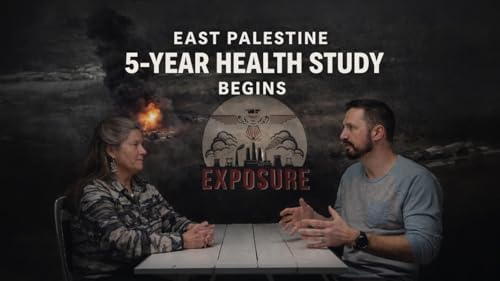
  • East Palestine - A 5 year health study begins
    Apr 2 2026

    A new five-year human health study is now underway following the East Palestine train derailment and controlled burn. In this episode of Exposure, Jill and Stuart break down what's been announced, what a long-term study can (and can't) tell us, and why sustained health monitoring matters after a major chemical incident.

    Official Health Study Webpage - https://research.uky.edu/environment/east-palestine-health-research

    In this episode:

    What we know about the 5-year study

    Why long-term monitoring matters

    What "health outcomes" can look like over time

    What residents may want to watch for as the study moves forward

    Subscribe for more: Exposure covers the hidden costs of extractive and petrochemical industry development across the Ohio River Valley—and the communities living with the consequences.

    #EastPalestine #PublicHealth #NIH #ExposurePodcast #EnvironmentalHealth #OhioRiverValley #TrainDerailment

    Disclaimer:

    Exposure is an editorial and investigative journalism platform produced by Ohio Valley Allies. The views and opinions expressed by hosts and guests are their own and do not necessarily reflect those of the organization or its affiliates. Statements made by guests reflect their personal experiences, interpretations, and analysis, and should not be construed as assertions made by Exposure.

    Our mission is to investigate and document the impacts of extractive industries—including oil, gas, petrochemicals, and plastics—through in-depth interviews, research, and storytelling. We aim to expose the truth behind these industries' operations and consequences using good-faith inquiry, verified sources where possible, and the protections afforded to journalists under the First Amendment of the United States Constitution.

    The content presented in this podcast is intended for informational, educational, and documentary purposes only. It should not be construed as legal advice, a call to action, or an endorsement of any specific viewpoint, protest, or organization.

    We do not knowingly publish false or defamatory statements. All claims are based on publicly available information, firsthand accounts, expert interviews, or journalistic analysis. Where allegations or critical claims are made, we strive to provide context and sourcing.

    We are committed to correcting material errors. If you believe a factual inaccuracy has occurred, please contact us at info@ohiovalleyallies.org for timely review and, if warranted, correction.

    While Exposure covers controversial and high-stakes topics, we do so as journalists seeking transparency, accountability, and the free exchange of ideas—not as advocates for any political party, protest strategy, or legal action.

    Show More Show Less
    31 mins
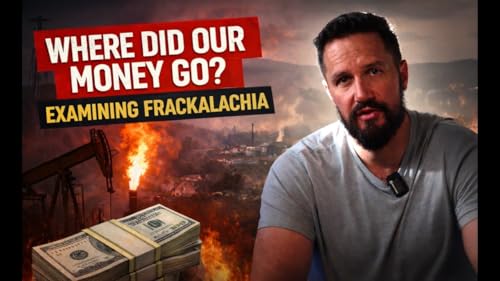
  • Where Did Our Money Go? Examining Frackalachia - Exposure Points Episode 2
    Mar 31 2026

    For more than a decade, communities across Appalachia were promised an economic revival through shale gas development. Politicians spoke of a new Industrial Revolution. Industry leaders promised jobs, prosperity, and long-term growth.

    But after hundreds of billions of dollars in extraction, many of the counties at the center of the fracking boom are still losing jobs, losing population, and falling behind the rest of the country.

    In this episode of Exposure Points, Stuart Day breaks down what the data actually shows—and why rising GDP does not necessarily translate into healthier, more stable communities. We examine where the money from natural gas extraction really goes, how boom-bust cycles hollow out local economies, and why the true costs of fracking rarely appear in official economic reports.

    This is not an argument for banning an industry. It is an examination of the gap between what was promised and what was delivered—and a question of accountability for communities living with the consequences.

    Exposure Points is independent journalism. We accept no industry funding and maintain no political affiliations. Citations can be found on the associated blog at

    Support our work at: https://exposurestudios.org
    #Frackalachia #Appalachia #Fracking #NaturalGas #EnergyEconomics #RuralAmerica #OhioRiverValley #EnvironmentalJustice #Extraction #IndependentJournalism #ExposurePoints

    Disclaimer:

    Exposure is an editorial and investigative journalism platform produced by Ohio Valley Allies. The views and opinions expressed by hosts and guests are their own and do not necessarily reflect those of the organization or its affiliates. Statements made by guests reflect their personal experiences, interpretations, and analysis, and should not be construed as assertions made by Exposure.

    Our mission is to investigate and document the impacts of extractive industries—including oil, gas, petrochemicals, and plastics—through in-depth interviews, research, and storytelling. We aim to expose the truth behind these industries' operations and consequences using good-faith inquiry, verified sources where possible, and the protections afforded to journalists under the First Amendment of the United States Constitution.

    The content presented in this podcast is intended for informational, educational, and documentary purposes only. It should not be construed as legal advice, a call to action, or an endorsement of any specific viewpoint, protest, or organization.

    We do not knowingly publish false or defamatory statements. All claims are based on publicly available information, firsthand accounts, expert interviews, or journalistic analysis. Where allegations or critical claims are made, we strive to provide context and sourcing.

    We are committed to correcting material errors. If you believe a factual inaccuracy has occurred, please contact us at info@ohiovalleyallies.org for timely review and, if warranted, correction.

    While Exposure covers controversial and high-stakes topics, we do so as journalists seeking transparency, accountability, and the free exchange of ideas—not as advocates for any political party, protest strategy, or legal action.

    Show More Show Less
    22 mins
  • Exposure Episode 15 - When the Water Turned Black with Callie Lyons
    Mar 31 2026

    Journalist Callie Lyons joins Exposure to revisit the case that first exposed C8, the "forever chemical" produced at DuPont's Washington Works plant. Long before PFAS became a national headline, Calli was documenting the signs that something was wrong: a creek turning black, cattle dying without explanation, and a community trying to understand what was happening to their water.

    In this episode, Callie explains how C8 entered drinking water for decades, how the legal fight unfolded, what the seven-year science panel discovered after studying 70,000 people, and why replacement chemicals like GenX have not solved the problem. This is the deeper story behind Dark Waters, told from the perspective of the people who lived through it.

    If this episode matters to you, please subscribe and follow Exposure on all platforms — and head over to our new Substack to stay updated on this story and many more. If you believe clean water must be protected, consider supporting West Virginia Rivers Coalition (WV Rivers) in their ongoing legal fight against Chemours. Their work is now backed by a federal court order to stop unlawful chemical discharges into the Ohio River.

    #PFAS #C8 #PFOA #ForeverChemicals #WaterContamination #EnvironmentalJustice #Appalachia #OhioRiverValley #DuPont #CalliLyons #ExposurePodcast #InvestigativeJournalism #ToxicChemicals #PublicHealth #DarkWatersStory

    Disclaimer;
    Exposure is an editorial and investigative journalism platform produced by Ohio Valley Allies. The views and opinions expressed by hosts and guests are their own and do not necessarily reflect those of the organization or its affiliates. Statements made by guests reflect their personal experiences, interpretations, and analysis, and should not be construed as assertions made by Exposure.

    Our mission is to investigate and document the impacts of extractive industries—including oil, gas, petrochemicals, and plastics—through in-depth interviews, research, and storytelling. We aim to expose the truth behind these industries' operations and consequences using good-faith inquiry, verified sources where possible, and the protections afforded to journalists under the First Amendment of the United States Constitution.

    The content presented in this podcast is intended for informational, educational, and documentary purposes. Exposure encourages civic engagement, public participation, and lawful efforts to improve policy and protect communities.

    We do not knowingly publish false or defamatory statements. All claims are based on publicly available information, firsthand accounts, expert interviews, or journalistic analysis. Where allegations or critical claims are made, we strive to provide context and sourcing.

    We are committed to correcting material errors. If you believe a factual inaccuracy has occurred, please contact us at info@ohiovalleyallies.org
    for timely review and, if warranted, correction.

    While Exposure covers controversial and high-stakes topics, we do so as journalists seeking transparency, accountability, civic participation, and the free exchange of ideas—not as advocates for illegal action or violence of any kind.

    Show More Show Less
    50 mins
  • Beyond The Well - Exposure Points Episode 2
    Mar 16 2026

    In this episode of Exposure Points, we break down what really happens beyond the well—the part of fracking most people never see.
    This isn't about the drilling rig or the well pad. It's about the system behind it: gas processing, ethane extraction, petrochemical manufacturing, storage hubs, ammonia and hydrogen projects, and the growing network of "advanced recycling" and waste-to-fuel facilities tied into the same supply chain.

    Using industry documents, public filings, and community-level evidence, we trace how the Ohio River Valley became a target for a large-scale petrochemical buildout. We look at how ethane drives plastics production, why storage hubs were proposed across Appalachia, and why so many hydrogen, ammonia, and chemical recycling projects seem to appear and disappear without ever becoming real.

    This episode examines:
    • how fracked gas becomes feedstock for plastics
    • the role of ethane crackers and processing plants
    • storage hubs and the risks they bring to communities
    • why hydrogen and ammonia projects rely heavily on gas
    • the realities of pyrolysis and "advanced recycling"
    • the economic promises vs. the lived outcomes
    • the long-term health and regulatory implications for the region

    This is a clear, accessible look at the petrochemical system that quietly sits behind the fracking industry — and what it means for the people who live in the Ohio River Valley.

    Exposure Points is our ongoing series covering current events, petrochemicals, industrial buildouts, environmental oversight, and the systems shaping rural and working-class communities.
    #ExposurePoints
    #Petrochemicals
    #Fracking
    #OhioRiverValley
    #EnergyIndustry
    #ChemicalIndustry
    #Ethane
    #PlasticsProduction
    #CurrentEvents


    Disclaimer;
    Exposure is an editorial and investigative journalism platform produced by Ohio Valley Allies. The views and opinions expressed by hosts and guests are their own and do not necessarily reflect those of the organization or its affiliates. Statements made by guests reflect their personal experiences, interpretations, and analysis, and should not be construed as assertions made by Exposure.

    Our mission is to investigate and document the impacts of extractive industries—including oil, gas, petrochemicals, and plastics—through in-depth interviews, research, and storytelling. We aim to expose the truth behind these industries' operations and consequences using good-faith inquiry, verified sources where possible, and the protections afforded to journalists under the First Amendment of the United States Constitution.

    The content presented in this podcast is intended for informational, educational, and documentary purposes. Exposure encourages civic engagement, public participation, and lawful efforts to improve policy and protect communities.

    We do not knowingly publish false or defamatory statements. All claims are based on publicly available information, firsthand accounts, expert interviews, or journalistic analysis. Where allegations or critical claims are made, we strive to provide context and sourcing.

    We are committed to correcting material errors. If you believe a factual inaccuracy has occurred, please contact us at info@ohiovalleyallies.org
    for timely review and, if warranted, correction.

    While Exposure covers controversial and high-stakes topics, we do so as journalists seeking transparency, accountability, civic participation, and the free exchange of ideas—not as advocates for illegal action or violence of any kind.

    Show More Show Less
    43 mins
  • Exposure Episode 14- Truckers Movement for Justice with Billy Randel
    Mar 16 2026

    Sign the Petition to help Truckers get the justice they deserve - https://ohiovalleyallies.org/#justice4truckers

    Truck drivers are the backbone of the oil and gas industry—and the ones paying the highest price for its shortcuts, secrecy, and toxic waste. In this episode of Exposure, Billy Randel, founder of Truckers Movement for Justice, lays out the truth no one else will say out loud: without truckers, the entire fracking system collapses.

    For decades, drivers have hauled silica sand, radioactive brine, and chemically contaminated waste with little protection, no transparency, and almost zero enforcement from federal regulators. Now, for the first time, truckers, environmental lawyers, and community advocates have united to demand that the Department of Transportation enforce its own hazardous-materials rules on the oil and gas industry.

    Read about the DOT letter here -
    https://earthjustice.org/press/2025/truckers-petition-feds-to-enforce-hazmat-rules-on-oil-and-gas-waste

    Billy has spent a lifetime in labor organizing—from the United Farm Workers to the front lines of modern fracking logistics. He brings a depth of moral clarity, lived experience, and unfiltered honesty you won't hear anywhere else. This conversation cuts straight to the core of worker safety, environmental justice, and the hidden crisis unfolding across America's shale regions.

    If you value this work, help amplify it.
    These stories don't break through unless we force them into the light.

    Disclaimer;
    Exposure is an editorial and investigative journalism platform produced by Ohio Valley Allies. The views and opinions expressed by hosts and guests are their own and do not necessarily reflect those of the organization or its affiliates. Statements made by guests reflect their personal experiences, interpretations, and analysis, and should not be construed as assertions made by Exposure.

    Our mission is to investigate and document the impacts of extractive industries—including oil, gas, petrochemicals, and plastics—through in-depth interviews, research, and storytelling. We aim to expose the truth behind these industries' operations and consequences using good-faith inquiry, verified sources where possible, and the protections afforded to journalists under the First Amendment of the United States Constitution.

    The content presented in this podcast is intended for informational, educational, and documentary purposes. Exposure encourages civic engagement, public participation, and lawful efforts to improve policy and protect communities.

    We do not knowingly publish false or defamatory statements. All claims are based on publicly available information, firsthand accounts, expert interviews, or journalistic analysis. Where allegations or critical claims are made, we strive to provide context and sourcing.

    We are committed to correcting material errors. If you believe a factual inaccuracy has occurred, please contact us at info@ohiovalleyallies.org
    for timely review and, if warranted, correction.

    While Exposure covers controversial and high-stakes topics, we do so as journalists seeking transparency, accountability, civic participation, and the free exchange of ideas—not as advocates for illegal action or violence of any kind.

    Show More Show Less
    58 mins
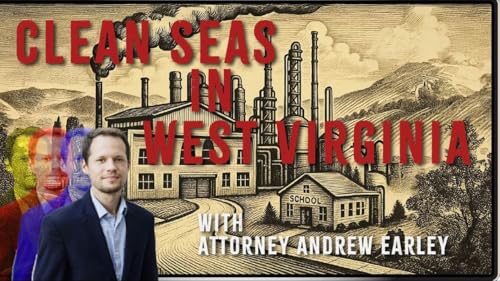
  • Exposure Episode 13- Clean Seas in West Virginia
    Mar 4 2026

    What happens when a plastics pyrolysis facility is proposed right across from a high school?

    In this episode of Exposure, co-hosts Jill Hunkler and Stuart Day sit down with Andrew Early, staff attorney at Fair Shake Environmental Legal Services, to break down the proposed Clean Seas facility in Belle, West Virginia.

    We cover:

    What pyrolysis actually is — and why many experts consider it a form of incineration

    The timeline of Clean Seas' permit applications (including its recent air permit filing)

    Rumors in the community about waste stockpiling, and why location matters

    How these facilities try to avoid stricter federal regulations

    The risks of building near schools and vulnerable communities

    The long legacy of chemical pollution in the Kanawha Valley

    This conversation dives deep into the legal loopholes, public health risks, and community pushback shaping the future of the Ohio River Valley.

    📌 Learn more about Fair Shake: https://www.fairshake-els.org

    📌 Support Ohio Valley Allies: https://www.ohiovalleyallies.org/

    #ExposurePodcast #EnvironmentalJustice #Plastics #Pyrolysis #WestVirginia #CleanAirAct

    Disclaimer:
    Exposure is an editorial and investigative journalism platform produced by Exposure Studios. The views and opinions expressed by hosts and guests are their own and do not necessarily reflect those of the organization or its affiliates.

    Our mission is to investigate and document the public impacts of extractive industries—including oil, gas, petrochemicals, and plastics—through in-depth interviews, research, and storytelling. We operate under the protections of the First Amendment of the United States Constitution, particularly in our role as journalists critically examining matters of public concern, including government oversight, regulatory failure, and systemic accountability.


    The content presented in this podcast is intended for informational, educational, and documentary purposes, and to support public dialogue around necessary government action and intervention. We do not endorse unlawful activity or calls for individual action beyond civic engagement and lawful advocacy.


    We do not knowingly publish false or defamatory statements. All claims are grounded in publicly available records, firsthand accounts, expert interviews, or verified journalistic research. Where critical claims or allegations are made, we strive to provide accurate context and sourcing.


    As a platform committed to transparency and accuracy, we welcome feedback and corrections. If you believe a factual inaccuracy has occurred, please contact us at info@ohiovalleyallies.org. We will review concerns promptly and, if warranted, issue a correction.


    While Exposure covers high-stakes and often controversial topics, we do so as independent journalists focused on exposing breakdowns in public oversight and the consequences for communities. Our work is grounded in the pursuit of truth, public accountability, and the broader public interest—not in service to any political party, protest tactic, or private agenda.

    Show More Show Less
    56 mins