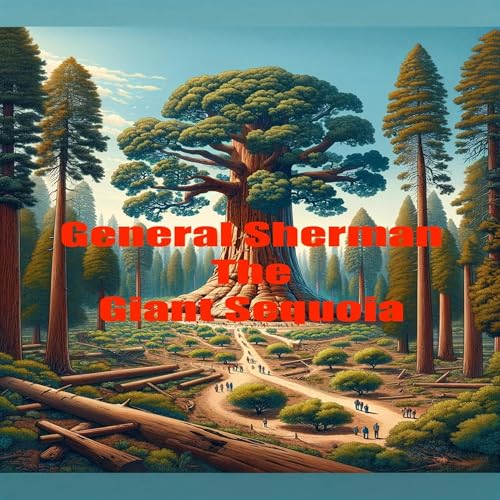
General Sherman: The Giant Sequoia of Sequoia National Park The General Sherman tree, located in Sequoia National Park, California, is not just any tree; it is the largest living single-stem tree on Earth by volume. This giant sequoia (Sequoiadendron giganteum) is a living testament to nature's grandeur and resilience, standing tall for over two millennia. Named after the American Civil War General William Tecumseh Sherman, this tree has witnessed significant historical and environmental changes. This biography delves into the history, significance, current state, and future threats to this natural wonder. The General Sherman tree is estimated to be around 2,200 to 2,700 years old. This incredible age means it started growing during the late Bronze Age, around the time when the Iron Age began in various parts of the world. Throughout its long life, the General Sherman tree has survived numerous natural events, including fires, storms, and possibly even seismic activities, which are common in California. The tree was named in 1879 by naturalist James Wolverton, who had served as a lieutenant under General Sherman during the American Civil War. Wolverton was struck by the tree's massive size and chose to honor his former commander with the name. The name General Sherman has stuck ever since, symbolizing strength and resilience. Standing at a majestic 275 feet (83.8 meters) tall, General Sherman is not the tallest tree in the world—that title belongs to the coastal redwood (Sequoia sempervirens) known as Hyperion. However, when it comes to sheer volume, General Sherman reigns supreme. It boasts a volume of approximately 52,500 cubic feet (1,487 cubic meters), making it the largest single-stem tree on the planet by volume. The tree's diameter at the base is an impressive 36.5 feet (11.1 meters), and even 60 feet up, it maintains a girth of over 17.5 feet (5.3 meters). These measurements contribute to its colossal volume. The bark of the General Sherman tree is up to 31 inches (80 cm) thick, providing protection against fire, pests, and diseases. Giant sequoias like General Sherman are critical to their ecosystem. They provide habitat and food for various wildlife species. Their canopies host numerous birds, insects, and other animals, while their fallen needles enrich the soil. The trees themselves play a crucial role in carbon sequestration, capturing significant amounts of carbon dioxide from the atmosphere and helping mitigate climate change. The survival of giant sequoias is intricately linked to fire. Their thick bark and high branches make mature sequoias highly fire-resistant. Fire helps by clearing the underbrush, which allows sequoia seeds to reach the soil and receive the sunlight they need to grow. The cones of the giant sequoia often open in response to the heat from fires, releasing seeds and promoting new growth. Since its discovery by European settlers, the General Sherman tree has been a significant tourist attraction. S
Show More
Show Less


 May 30 20247 mins