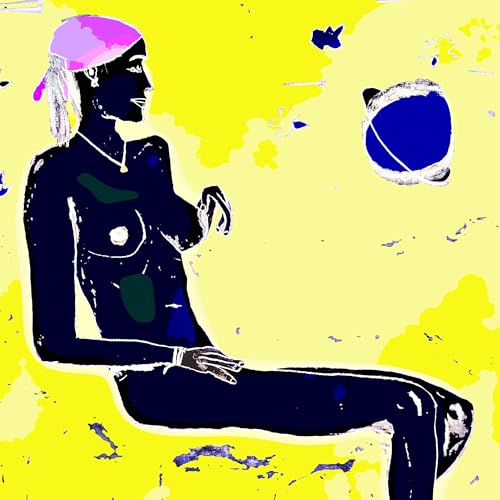
Ho Kepos (Ὁ Κῆπος) Garden Philosophy cover art

Ho Kepos (Ὁ Κῆπος) Garden Philosophy

Ho Kepos (Ὁ Κῆπος) Garden Philosophy

Written by: Elonomate
Listen for free

LIMITED TIME OFFER | Get 2 Months for ₹5/month

About this listen

Welcome to Naturism Trail, a journey through time, culture and human expression. Across twenty waypoints, you are invited to walk, reflect and reconsider how societies have shaped - and been shaped by - the human body. In every era and every region of the world, naturism has taken many forms: from hairless apes of prehistory to ritual nudity of ancient civilisations and modern-day movements advocating for body freedom, self-acceptance and equality. This trail is an invitation to explore a fundamental aspect of human existence in its most natural state.Elonomate World
Episodes
  • S1: Naturism Trail; E21: Wherefore Humanity?
    Mar 16 2025

    Moderator: “What have we learned from this journey? Naturism is more than history - it’s an evolving conversation about humanity itself.

    Responder: “Naturism is more than a lifestyle: it’s a reflection of how human societies perceive the body, freedom and social connection. Across history, naturism has challenged cultural taboos, encouraged self-acceptance and advocated for equality. From ancient civilisations that embraced nudity in art and ritual to modern movements promoting body positivity, naturism provides valuable insights into our evolving relationship with the human form.”

    • Moderator: “Can body norms be reevaluated?

    Responder: “Throughout this Naturism Trail, we have explored how body norms were shaped by ancient civilisations, religions, colonialism, capitalism and shifting moral codes. Naturism challenges these externally imposed restrictions, encouraging individuals to question why society often associates nudity with shame or impropriety. By re-examining historical attitudes and conducting new scientific research, we might find that nudity, when viewed outside a sexualised context, fosters confidence, mental well-being and social equality.”

    • Moderator: “What about a global perspective?

    Responder: “Naturism is not limited to any one culture or era. Across the world, Indigenous communities, Eastern philosophies and Western movements have all embraced body freedom in various forms. Whether viewed through prehistoric ancestral roots, gymnosophists of Ancient India, Free Body Culture of early-20th century Germany, protest movements or contemporary naturist resorts, the human relationship with nudity is complex and deeply rooted in tradition.”

    • Moderator: “Is naturism more than a fun vacation activity?

    Responder: “For many modern retirees, naturism is more than a vacation activity - it is a way of life rooted in freedom, community and connection to nature. However, when individually-owned homes exist within profit-driven naturist resorts, retirees can be vulnerable to financial exploitation and restrictive policies that prioritise tourism revenue over residents' rights. Sudden fee increases, rule changes or unfair property restrictions can leave older residents facing economic hardship or displacement. Local authorities throughout the world must recognise naturist communities for permanent habitation as well as for tourist purposes and combinations of both, protecting residents from exclusion, exploitation or denial of basic rights in spaces they are committed to protect.”

    ————

    Moderator: “Looking Ahead: Ultimately, naturism invites us to reflect on what it means to be human. It challenges us to strip away artificial barriers and see ourselves - and each other - as we truly are.

    Show More Show Less
    3 mins
  • S1: Naturism Trail; E20: Science of Naturism
    Mar 16 2025

    Moderator: “Modern research highlights the benefits of naturism. What does science reveal about the impact of nudity on mental and physical well-being?

    Responder: “Modern scientific research has illuminated various health benefits associated with naturism. Engaging in social nudity has been linked to improved body image, enhanced self-esteem, greater life satisfaction, lower stress levels and improved sensory awareness.”

    • Moderator: “What psychological benefits does naturism offer?

    Responder: "Published studies have found that participation in naturist activities is associated with higher levels of life satisfaction, self-esteem and body image, suggesting that exposure to non-idealised naked bodies can reduce the pressure to conform to unrealistic beauty standards, fostering a more positive self-image. Research indicates that communal naked activities can lead to improvements in body appreciation due to decreased anxiety about others evaluating our appearance. These findings underscore the potential of naturism as a valuable practice for enhancing mental health and fostering a more positive relationship with one's body.”

    • Moderator: “How does being nude impact physical health?

    Responder: "Spending time outdoors without clothing offers numerous physical and physiological benefits, such as by enhancing vitamin D synthesis through increased skin exposure to sunlight. Vitamin D is essential for bone health, immune function, and muscle strength, with deficiency linked to osteoporosis, cardiovascular disease and weakened immunity. For skin conditions like psoriasis, eczema and vitiligo, controlled sun exposure has been shown to reduce inflammation, improve symptoms and promote healing. Additionally, the absence of restrictive clothing supports better blood circulation, reducing pressure on the skin and allowing lymphatic flow and oxygenation to improve. Naturism also encourages natural thermoregulation without tight or obstructive clothing.”

    • Moderator: “How does naturism foster egalitarian spaces?

    Responder: "Naturist environments often promote a sense of social equality by minimising visual indicators of socioeconomic status, such as clothing and accessories. This reduction in status symbols can lead to more genuine interpersonal interactions and a strengthened sense of community. Research has shown that naturist activities can contribute to a more egalitarian social experience and enhance life satisfaction."

    • Moderator: “What might future scientific inquiries reveal about naturism?"

    Responder: "One area requiring deeper investigation is the relationship between social stigma around nudity and early childhood psychological development. Some researchers have hypothesised that teaching children to be ashamed of nudity from a young age - often reinforced through religious and cultural taboos - may contribute to anxiety disorders and other mental health challenges. Additionally, there has been speculation about whether the suppression of natural bodily expression could be linked to certain neurodevelopmental conditions, such as autism. While research in this field remains limited, understanding how early-life conditioning around nudity impacts cognitive and emotional development may provide valuable insights into mental health and social adaptation.”


    Show More Show Less
    4 mins
  • S1: Naturism Trail; E19: The Dark Side
    Mar 16 2025

    Moderator: “With increased media scrutiny, naturism has had to distinguish itself from commercial exploitation. Where do the lines get drawn?"

    Responder: “As naturism continues to evolve in the modern era, it faces significant challenges from the misrepresentation and commodification of nudity. The distinction between naturism and pornography has become an ongoing struggle, with digital platforms, legal policies and mainstream media often conflating the two. Despite these challenges, naturist communities actively advocate for body neutrality, ethical representation and the preservation of public spaces for non-sexual nudity.”

    • Moderator: “How does naturism differentiate itself from exploitation?"

    Responder: "Naturism promotes body neutrality, personal freedom and communal respect, whereas commercial sexual imagery distorts perceptions of nudity, reducing the human body to an object of desire. While naturists emphasise non-sexual body acceptance, the prevalence of exploitative depictions of nudity in mainstream media and pornography has fuelled societal discomfort and misunderstanding about naturist values.

    This conflict is not new. The feminist sex wars of 1980s highlighted deep divisions regarding sexual imagery, objectification and personal empowerment. While some feminists fought against pornography as inherently exploitative, others defended sexual expression as a form of liberation. Today, naturists face a similar challenge: advocating for body freedom while resisting the co-opting of nudity by commercial industries.”

    • Moderator: “How do digital platforms regulate naturist content?

    Responder: “With rise of the internet, naturist groups have struggled against digital censorship. Social media platforms often classify naturist content as adult material, restricting its visibility or outright banning accounts that promote non-sexual nudity. Algorithms designed to detect nudity fail to differentiate between body-positive naturism and sexual content, limiting public education and outreach by legitimate naturist organisations.

    Additionally, online exploitation and unethical practices in the adult entertainment industry have reinforced negative stereotypes, further complicating naturism’s public image. The challenge for naturists is to reclaim digital spaces while distinguishing their philosophy from harmful or exploitative portrayals of the human body.”

    • Moderator: “What legal hurdles does naturism face today?

    Responder: “In response to concerns over public decency and exploitation, many governments have strengthened laws against public nudity, even in historically tolerant areas. Despite efforts by naturist activists to emphasise consent, ethics and personal freedom, legal policies often fail to distinguish between genuine naturist practices and public indecency laws targeting sexual misconduct.

    Naturist organisations are actively pushing for legal protections that recognise non-sexual nudity as a legitimate form of self-expression. Educational campaigns aim to inform the public about the differences between naturism and commercialised nudity, advocating for designated spaces where social nudity can be safely practiced without stigma.”


    Show More Show Less
    4 mins
No reviews yet