Horizon Treatment Services cover art

Horizon Treatment Services

Horizon Treatment Services

Written by: Horizon Treatment Services
Listen for free

About this listen

Welcome to the Horizon Treatment Services Podcast, where we delve into the forefront of alcohol, drug, and mental health services. As industry pioneers located in the Beloved Bay Area, CA - HSI is committed to empowering adults and adolescents through evidence-based programs, fostering a secure space for tackling substance use disorder and mental health challenges.

Join us as we explore cutting-edge strategies, discuss success stories, and share insights that propel individuals towards their full potential. From prevention initiatives guiding youth towards substance-free lives to community outreach initiatives promoting safer neighborhoods, HSI's interest and expertise extends beyond treatment, shaping a future where well-being takes center stage.

Tune in to stay informed, inspired, and at the forefront of transformative change with Horizon Services, Inc. www.horizonservices.org

© 2025 Horizon Treatment Services
Social Sciences
Episodes
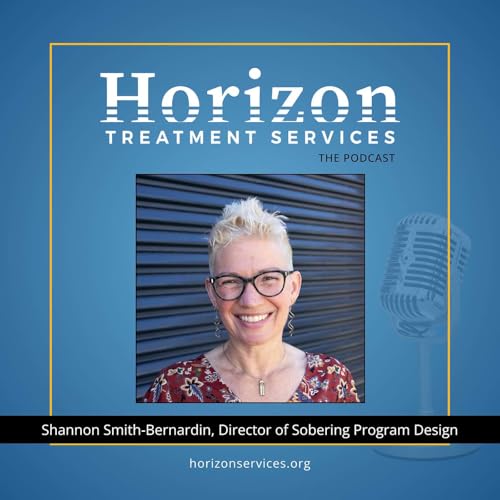
  • Ep 01 - Sobering Centers: A Humane Alternative to Jail
    Sep 11 2023

    Send us a text

    Sobering centers provide a humane alternative to jail or emergency rooms for acutely intoxicated individuals, offering 4-12 hours of supervised care while saving public resources and respecting human dignity. Dr. Shannon Smith-Bernardin explains how these programs serve as a crucial intersection between law enforcement, healthcare, and substance use recovery.

    • Sobering care focuses on short-term monitoring for people acutely intoxicated on alcohol or other substances
    • Unlike detox programs, sobering centers aim to get individuals safely through intoxication, not remove all substances from the body
    • Most clients are experiencing homelessness or cannot safely return home while intoxicated
    • Law enforcement can complete drop-offs at sobering centers in under 10 minutes versus 45+ minutes for jail bookings
    • Staff typically includes medical professionals (EMTs/nurses) and peer recovery specialists with lived experience
    • Centers provide continuous monitoring for safety, particularly important with the rise of fentanyl in the drug supply
    • One in three law enforcement encounters nationwide involve someone acutely intoxicated
    • Funding comes from various sources including city/county funds, state programs, Medicaid reform, and criminal justice initiatives
    • Success means treating people with dignity while reducing stigma and shame around substance use

    For more information, visit the National Sobering Collaborative at nationalsobering.org or learn about our services at www.horizonservices.org.


    Media - Podcasts (horizonservices.org)

    Show More Show Less
    23 mins
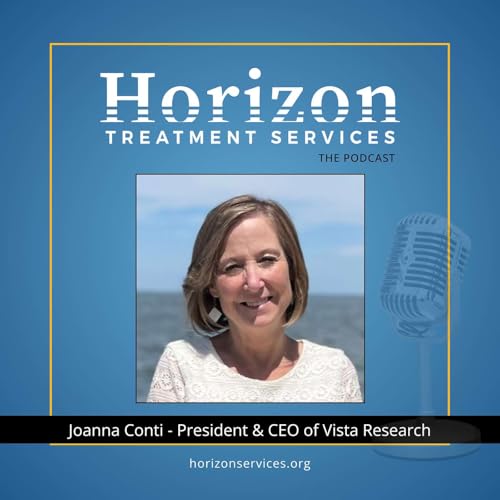
  • Ep 02 - Measuring Treatment Success: The Science Behind Recovery
    Nov 29 2023

    Send us a text

    A mother's desperate search for effective addiction treatment ignited a revolution in how we measure recovery success. Joanna Conti founded Vista Research Group after discovering that despite the life-or-death stakes of addiction treatment, virtually no facilities were scientifically measuring their effectiveness. Today, her company has tracked over 80,000 patients, revealing crucial insights about what truly works in recovery.

    The data paints a clear picture: patients completing recommended treatment achieve 41% recovery success versus just 25% for those who don't. Treatment duration matters enormously - those staying 90+ days have double the recovery rate of those leaving before 20 days. And perhaps most striking? Treatment center effectiveness varies dramatically, with the best facilities helping over half their patients maintain recovery while the worst help fewer than one in five.

    Through real-time feedback systems, clinicians gain insights patients might never share face-to-face. As one therapist discovered, showing a discouraged client her dramatically improved depression scores provided the confidence boost she needed to embrace her recovery journey. For treatment teams, aggregated data identifies program strengths and opportunities for improvement while validating their challenging work.

    The research has identified ten key factors affecting recovery outcomes: treatment completion, duration, facility effectiveness, substance type (alcohol shows highest success rates), post-treatment behaviors (support groups, sober living), initial motivation, smoking status (non-smokers fare better), PTSD symptom levels at discharge, and number of previous treatment attempts.

    Horizon Treatment Services is pioneering this approach at their Cronin House residential program, embracing measurement-based care to enhance treatment effectiveness. By collecting standardized assessments throughout treatment and following up after discharge, they're gaining invaluable insights to provide more personalized, responsive care while demonstrating their commitment to science-based approaches.

    Ready to learn more about evidence-based addiction treatment? Visit www.horizonservices.org or connect with us on social media to discover how measurement-based care is transforming recovery outcomes.

    Media - Podcasts (horizonservices.org)

    Show More Show Less
    35 mins
  • Ep 03 - Dr. Andrew Kolodny - From Prescription to Addiction
    Mar 1 2024

    Send us a text

    Uncover the harsh realities of the opioid crisis through the expert eyes of Dr. Andrew Kolodny, an addiction specialist with an impressive two-decade track record in the field. This episode peels back the layers of a national emergency, revealing the transition from prescription misuse to the life-threatening presence of illicit drugs like fentanyl. Dr. Kolodny and I navigate the complexities surrounding three distinct demographic groups ensnared in addiction's grasp, dissecting the shifting dynamics and mortality rates that these populations face in the shadow of this unforgiving epidemic.

    Drawing stark parallels with the HIV/AIDS epidemic, we strip away the stigma and misinformation that have long obstructed effective responses to public health crises. Listen closely as we go beyond mere statistics to understand the deceptive pharmaceutical practices that have contributed to opioid overprescription, and why harm reduction is not just a strategy, but a vital lifeline for those struggling with addiction. This episode is a testament to the dire need for comprehensive treatment approaches, and the role of empathy and science in addressing the epidemic.

    Venturing into the conversation on "deaths of despair," the doctor challenge the narrative that economic downturns are the sole drivers of the opioid crisis. Instead, we examine the often-overlooked contributing factor of overprescribing and the urgent need for accessible, life-saving treatments across socioeconomic divides. Dr. Kolodny and I also engage in a candid dialogue about integrated care approaches, and Horizon's innovative efforts in Northern California to confront addiction with multi-dimensional support. Tune in for a sobering yet essential exploration into a crisis that continues to shape our nation, and the ongoing battle for recovery and healing.

    Dr. Kolodny's testimony before for the United States Congress is available here.


    Media - Podcasts (horizonservices.org)

    Show More Show Less
    48 mins
No reviews yet