Grow Your Cleaning Company Without Losing Control cover art

Grow Your Cleaning Company Without Losing Control

Grow Your Cleaning Company Without Losing Control

Listen for free

View show details

About this listen

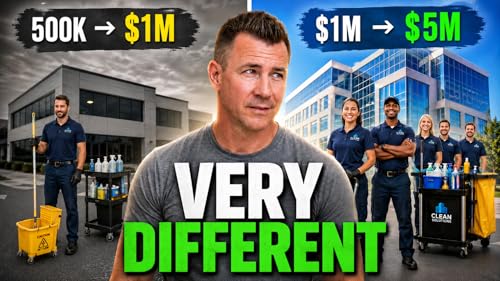
Growing a cleaning company sounds great until the team gets bigger, cleaners are spread across different job sites, and you no longer personally know every person representing your company. In part two of Mike's conversation with Luke Embree, they talk about what changes when a cleaning company goes from $1M to $5M — especially around culture, values, and keeping the team aligned when the owner is not in the room every day. The Problem With Growth Nobody Talks About When Luke grew Commercial Cleaning with Commonwealth to around 65 team members, the challenge was not just getting more contracts or hiring more cleaners. The bigger question became: how do you keep the same culture when the company is no longer small enough for the owner to personally touch everything? At the beginning, culture is easy. You know everyone. Everyone knows you. Your values get passed around naturally because the team is close to you. But once cleaners are working across multiple locations, and some employees barely interact with you, culture needs more than good intentions. Core Values Cannot Just Live in the Interview Luke shares that one of the best decisions he made early on was building the company around short, clear values: show up, do good, make money, and empower others. Those values helped with hiring, retention, and client fit. But as the company grows, values can start to drift. Mike points out that core values become even more important as the company gets bigger, not less. It is easy to think values are "soft" compared to sales, hiring, and operations, but for seven-figure cleaning companies, values become part of the operating system. Weekly Meetings, Monthly Parties, Quarterly Reviews Mike gives Luke a simple rhythm for keeping culture alive: -Weekly meetings. -Monthly parties. -Quarterly reviews. The point is not to make the company feel corporate. The point is to create repeated moments where people hear the values, see them recognized, and understand what the company actually rewards. Weekly meetings should be short and mostly focused on core values, not endless admin. Monthly parties should feel like something people want to attend, not something they are pressured into. Quarterly reviews give the owner or leadership team a structured way to talk about values, attendance, feedback, performance, and fit. Build Culture Before You Need It One of the strongest ideas from this episode is that cleaning owners should not wait until they have a big team to build culture. Mike compares it to budgeting. You do not get rich first and then start budgeting. You build the habit first, and that helps create the result. Same with culture. You do not wait until you have a large team and then suddenly try to install values. You build the culture early so the team can grow into it. That is the part most owners miss. Culture is not something you fix after the company gets messy. It is something you build before the mess shows up. Give People Responsibility Earlier Mike also talks about giving cleaners more authority earlier than most owners are comfortable with. That means employees helping with group interviews, one-on-one interviews, working interviews, training, and even leading meetings when needed. The idea is not to dump responsibility on people randomly. It is to build a company where power is not trapped with the owner or one manager. When good people are trusted early, a lot of them rise. When everyone has to wait for the owner or supervisor to make every decision, the business just creates a new bottleneck. Supervisors Are Not Always Freedom One of Mike's stronger points is that a lot of owners think the answer is finding the perfect ops manager or supervisor. But that can just move the bottleneck. If the owner was the choke point before, and now the supervisor is the choke point, the business is not really free. It just depends on a different person. Mike's preference is decentralized power: a team where people understand the values, know how to do the work, and can make decisions without needing constant babysitting. Podcast Show Notes Growing your cleaning company sounds great. More cleaners. More job sites. More revenue. But what happens when the team gets bigger and the owner starts losing touch with the people actually doing the work? In part two of Mike's conversation with Luke Embree, they talk about how to grow a cleaning company without losing control of the culture. Luke has grown Commercial Cleaning with Commonwealth to around 65 team members and is looking toward the next stage: going from $1M to $5M. Mike breaks down why culture cannot just be something you mention during the interview, how weekly meetings and quarterly reviews help reinforce values, and why giving employees more responsibility earlier can actually create more freedom for the owner. This episode is for cleaning company owners who are growing, hiring, and realizing that a bigger team does not automatically mean more control.
adbl_web_anon_alc_button_suppression_c
No reviews yet