In this episode of Iron and Empathy, host Drew Moldenhauer engages with Professor James Densley, a leading expert in criminology and criminal justice, about preventing violence before it occurs.
Densley explains that mass shootings are rarely random, often following identifiable pathways shaped by trauma, personal crises, and access to firearms. He emphasizes the importance of recognizing warning signs, encouraging empathetic communication among peers and coworkers, and using interdisciplinary threat assessment teams. The conversation underscores the need for psychological safety in workplaces and schools, calling on organizations to foster supportive environments that can help reduce the risk of violence.
Reach out to Drew and sign-up for newsletters and podcast updates at Blue-Ethos. Professor James Densley can be reached theviolenceproject.org
Keywords
violence prevention, mass shootings, threat assessment, early intervention, psychological safety, criminology, Professor James Densley, workplace culture, empathy, James Densley, Iron and Empathy,
Takeaways
- "It's about looking out for one another."
- "These were individuals who perpetrated some of the most heinous crimes imaginable, but they were human beings living normal lives before that point."
- "The biggest misconception is that these individuals just pop out of nowhere."
- "All four of those stages are intervention points."
- "If you see something, say something. But to whom?"
- "You can't just suspend a kid and think that's it, problem solved."
- "Happy employees are nonviolent ones."
- "The human factor is key in preventing violence."
- "We need to give people a reason to live."
- "Psychological safety isn't soft; it's one of the strongest tools we have to prevent harm."


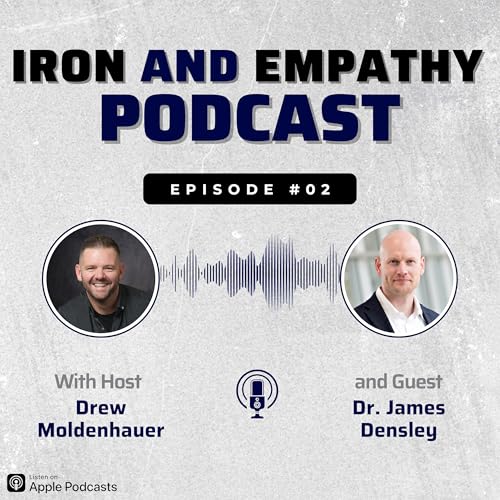 1 hr and 4 mins
 Jan 5 202657 mins
 Jan 5 20266 mins