Learn Burmese from Natural Talk cover art

Learn Burmese from Natural Talk

Learn Burmese from Natural Talk

Written by: kennethwongsf
Listen for free

About this listen

Hello! Greetings from the Burmese corner! I'm Kenneth Wong, a Burmese language instructor, author, and translator. This is a podcast series for intermediate and advanced Burmese language learners who want to learn Burmese by listening to natural conversation. Every two weeks or so, a guest speaker and I record and upload an episode on a specific topic. At the end of each episode, you'll find the keywords and phrases with their meanings. For more on the podcast series, visit the Learn Burmese from Natural Talk blog: http://burmeselessons.blogspot.com/

© 2026 Learn Burmese from Natural Talk
Foreign Language Audiobooks
Episodes
  • On Love and Life According to Forrest Gump
    Apr 15 2026

    "Life's like a box of chocolate; you never know what you're gonna get," says Forrest Gump, the title character played by Tom Hanks in the 1994 film. In Burmese, the saying roughly translates to "ဘဝဆိုတာ ချောကလက်ဘူးလေးလိုပါပဲ။ ဘာပါလဲဆိုတာ ဘယ်သူမှ မသိကြပါဘူး။"

    In this episode, my cohost Su, a Burmese language teacher from Chiang Mai, and I discuss Forrest Gump's attitude toward life's tragedies and challenges, war's toll on the human psyche, and the bitter-sweet nature of first love. Along the way, we introduce you to the words and phrases related to childhood, unrequited love, the Vietnam war's unhealed trauma, the flower-child generation, and women's liberation. Join us as we go for a run with Forrest. (Illustration generated in ChatGPT; music courtesy of Pixabay. "Flower Power" excerpt courtesy of Alana Jordan.)

    Vocabulary

    ဇာတ်ကောင် character

    ပင်မဇာတ်ကောင် main character

    တစ်စေ့တစ်စောင်း to catch a glimpse

    မှော်ပညာ wizardry, witchcraft

    ရေသူမ mermaid

    စုန်းမ witch

    ဒဏ္ဍာရီ legend, fable

    တပ်စုမှူး platoon commander

    တိတ်တိတ်ပုန်းချစ်တယ် to love someone secretly

    လိင်အမြတ်ထုတ်တယ် to take advantage of someone sexually

    အခွင့်အရေးယူတယ် to take advantage of

    ဒုက္ခိတ disabled

    ပြည့်တန်ဆာ prostitute

    သူရသတ္တိဘွဲ့ award for bravery

    စိတ်ဓာတ်ခွန်အားရတယ် to get inspiration or spiritual encouragement

    အရိပ်အယောင် hint, implication

    မှင်တက်သွားတယ် to be stunned, to be awe-struck

    စိတ်လုံခြုံရာ space for mental security

    ထိပ်တိုက်ရင်ဆိုင်တယ် to face or confront something head-on

    သဟဇာတဖြစ်အောင် in order to be harmonious

    နားမလည်ပါးမလည် without fully realizing or understanding something

    နာတာရှည်ရောဂါ terminal disease

    ရောဂါကျွမ်းနေပြီ to be incurable

    ခါးစည်းခံမယ် to endure

    ကဲ့ရဲ့တယ် to criticize, to condemn

    ခံရသူကို အပြစ်တင်တယ် to blame the victim

    လေနှင်ရာ မျောပါသွားတယ် to be carried away by the wind


    Have a question about a Burmese word or phrase you heard here? Send us a message.

    Show More Show Less
    48 mins
  • Bite-Size Burmese: On the Poet Min Thu Wun's Ode to a Tree Stump
    Mar 11 2026

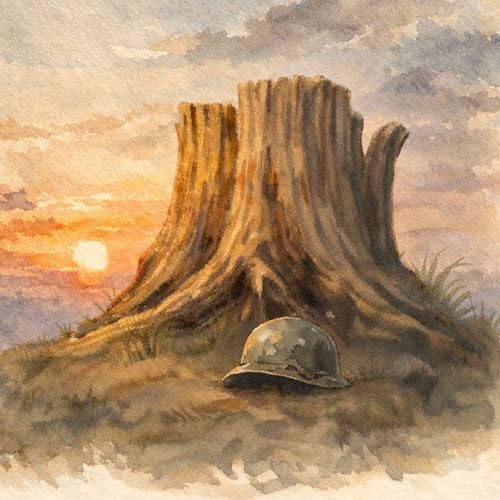
    "Pyimma Ngote Toe (ပျဉ်းမငုတ်တို)" by Min Thu Wun (1909 to 2004), written in the four-syllable rhyme scheme typical of classic Burmese poetry, is an ode to a tree stump, the surviving fragment of a pyimma tree standing on a mound. The common name for this specimen in English is Queen's Crape Myrtle or Queen's Flower, giving off the unavoidable stench of colonialism. The original Burmese name pyimma, however, is quite different. It invokes the image of a sturdy, leafy tree offering refuge from Southeast Asia's cruel midday Sun. (With a lack of standardized Romanization for Burmese, pyima, pyinma, or pyimma can serve as an approximation of the Burmese name ပျဉ်းမ.)

    The opening line, "ဖုထစ်ရွတ်တွ၊ ငှက်ဠင်းတသို့" is strung together with textured, aspirated, plosive words, allowing us to feel the bumps, ridges, knurls, and knots of the trunk as we pronounce them. The simile that follows compares the stump to a vulture, associated with burial grounds and death.

    Written with stacked rhymes in the fourth, third, and second syllables of subsequent lines (the 4-3-2 pattern), the poem describes how the old pyimma has endured the termite's swarm, the sun's flames, the wind's wrath, and even warfare. The final stanza gives us hope and inspiration, depicting how the stump "ရွက်ဟောင်းညှာကြွေ၊ ရွက်သစ်ဝေ (sheds old stems and springs new leaves)" with the return of summer.

    In this episode of Bite-Size Burmese (more a bowl than a bite, due to its length), I break down the first stanza of the poem, explain the rhyme scheme, and the post-independence sociopolitical climate of 1949 that gave birth to the poem. (Image: AI-generated in ChatGPT; Music: "Sunshine Dreams" by Kaazoom, Pixabay)

    ပျဉ်းမငုတ်တို (မင်းသုဝဏ်)

    "The Pyimma Stump" by Min Thu Wun (translated by Kenneth Wong)

    ဖုထစ်ရွတ်တွ၊ ငှက်ဠင်းတသို့
    ပျဉ်းမငုတ်တို၊ သက်ကြားအိုသည်
    ကုန်းမိုထက်တွင် တပင်တည်း။

    Gnarled, knotted, with humps and ridges,
    Like a vulture on a mound
    Stood the lonely pyimma stump.

    ခွဆုံအကွေး၊ သစ်ခေါင်းဆွေးလည်း
    အဖေးတက်လှာ၊ အိုင်းအမာသို့
    ကျယ်စွာဟက်ပက် ခြအိမ်ပျက်။

    The bending bough at the split
    Is a hollowed, rotten termite shelter,
    A scab-encrusted gaping wound.

    ကုန်းမိုကမ်းပါး၊ မြေပတ်ကြားတွင်
    စစ်သားခမောက်၊ ပိန်ခြောက်ခြောက်လည်း
    စစ်ရောက်စခန်း လက်ပြညွှန်း။

    A soldier’s shriveled war helmet,
    Resting on the mound’s edge,
    Points to a battle’s reach.

    ထိုပင်ငုတ်တို၊ ပျဉ်းမအိုသည်
    စစ်ကိုလည်းကြုံ၊ ခြအုံလည်းဖြစ်
    ဓားထစ်လည်းခံ၊ နေလျှံလည်းတိုက်
    လေပြင်းခိုက်လျက်၊ မငိုက်ဦးခေါင်း
    နွေသစ်လောင်းသော်
    ရွက်ဟောင်းညှာကြွေ၊ ရွက်သစ်ဝေ၍
    လေပြေထဲတွင်၊ ငယ်ရုပ်ဆင်သည်
    အသင် ယောက်ျားကောင်းတကား။

    This severed trunk, aged and withered,
    Has faced warfare, endured termites,
    The sword’s hack, the sun’s flames,
    And the gale’s wrath, and yet,
    It stands with its head held high.
    When summer returns,
    It sheds old stems and springs new leaves,
    Youthful again in the breeze—
    A mighty gallant man is he!

    More on the poet Min Thu Wun here.

    Have a question about a Burmese word or phrase you heard here? Send us a message.

    Show More Show Less
    10 mins
  • Bite-Size Burmese: Twitchy Eyebrow, Itchy Heart
    Feb 21 2026

    Twitchy eyebrow? Itchy sole? According to Burmese superstition, twitching eyebrows may be an omen of good fortune or financial ruin, depending the exact spot of the twitch, also on who you ask. And an itch in the sole might be a sign of imminent travel. မျက်ခုံးလှုပ်တယ် (the eyebrow twitches) and ခြေဖဝါးယားတယ် (the sole itches) are also expressions people might use to convey worry and anxiety or wanderlust and the itch to travel, so even if you don't plan on visiting a fortuneteller, it's a good idea to add them to your vocabulary and learn to use them correctly.

    Sometimes the itch is not in the sole but in the heart. The expression အသည်းယားတယ် (the heart itches) is the Burmese equivalent of "I can't stand it! I can't bear it!" The sight of an adorable baby or puppy might make an English speaker feel all warm and fuzzy inside, but for a Burmese speaker, the common response is an itch in the heart.

    In this episode of Bite-Size Burmese, I discuss the circumstances in which you might encounter these phrases, along with examples. (Image: AI-generated in ChatGPT; Music: "Sunshine Dreams" by Kaazoom, Pixabay)

    Vocabulary

    မျက်ခုံး eyebrow

    လှုပ်တယ် to shudder, to move

    မျက်ခုံးလှုပ်တယ် the eyebrow twitches

    ခြေဖဝါး sole, the underside of the foot

    လက်ဖဝါး palm, the underside of the hand

    ယားတယ် to itch

    ခြေဖဝါးယားတယ် the sole itches

    အသည်း (also written အသဲ) heart

    အသည်း (အသဲ) ယားတယ် the heart itches

    Have a question about a Burmese word or phrase you heard here? Send us a message.

    Show More Show Less
    6 mins
adbl_web_anon_alc_button_suppression_c
All stars
Most relevant
How do u expect us to learn like this? no basics? Start with basics then build up?

No one can learn like this

Something went wrong. Please try again in a few minutes.