Episodes

  • iPhone Air Specs breakdown
    Dec 16 2025

    Hey everyone, welcome back to Manh Hao Podcast
    Today, we’re talking about one of the most interesting iPhone launches Apple has ever done — the iPhone Air.
    This isn’t just another yearly upgrade. This is Apple experimenting with something bold: a truly ultra-thin, ultra-light iPhone, without sacrificing flagship-level performance.
    So the big question is — does thinner actually mean better?
    Let’s break it down.
    What Is the iPhone Air?
    The iPhone Air is Apple’s newest innovation, designed for people who want a premium iPhone experience, but in the most portable and elegant form possible.
    Ultra-Thin Titanium Design
    Let’s start with the design, because honestly — this is the headline feature.
    The iPhone Air is just 5.64 millimeters thin, and weighs only 165 grams.
    That makes it noticeably slimmer and lighter than even the iPhone 17 Pro.
    Apple uses aerospace-grade titanium with a matte anodized finish. It feels cool, solid, and extremely premium in the hand.
    Inside, Apple redesigned the entire internal layout so every component fits efficiently without compromising strength.
    The mid-frame uses recycled aluminum, helping the phone stay flexible and durable despite its thinness.
    Color options include Space Black, Cloud White, Sky Blue, and Light Gold, all with a satin finish that resists fingerprints and glare.
    This is minimalism done the Apple way — elegant, precise, and very intentional.
    Super Retina XDR Display
    Moving on to the display — and yes, Apple did not hold back here.
    You get a 6.5-inch Super Retina XDR OLED panel with a resolution of 1260 by 2736 pixels.
    The standout feature? ProMotion at 120Hz.
    Everything from scrolling to gaming feels incredibly smooth, and the refresh rate dynamically adjusts to save battery.
    Brightness goes all the way up to 3000 nits outdoors, so visibility under direct sunlight is excellent.
    You also get HDR10, Dolby Vision, True Tone, and a contrast ratio of 2 million to 1, making content look rich and immersive.
    And of course, Apple’s Ceramic Shield glass on the front offers twice the drop protection compared to earlier generations.
    Performance with Apple A19
    Under the hood, the iPhone Air is powered by the Apple A19 Bionic, built on a 3-nanometer process.
    It features a 6-core CPU, a 6-core GPU, and a 32-core Neural Engine.
    Translation?
    It’s fast — really fast — while still being extremely power efficient.
    The GPU supports hardware ray tracing, making mobile games look more console-like than ever before.
    With 12GB of RAM and 256GB of storage, multitasking feels effortless, even when editing 4K video in Final Cut Pro Mobile.
    Camera Capabilities
    The iPhone Air keeps things clean with a single 48-megapixel main camera — but don’t let that fool you.
    Thanks to pixel binning and Apple’s image processing, photos come out incredibly detailed and natural.
    You get Smart HDR 6, Deep Fusion, and the Photonic Engine working together behind the scenes.
    There’s also sensor-based digital zoom that delivers telephoto-like results without an extra lens.
    Night mode is faster and cleaner, with up to 25 percent better noise reduction.
    For video creators, the phone supports 4K at 60 frames per second, Dolby Vision HDR, and 10-bit ProRes.
    On the front, the 18MP TrueDepth camera handles Face ID, Portrait mode, and Center Stage for video calls.
    Connectivity & Battery Life
    Connectivity is fully modern here.
    This iPhone supports Wi-Fi 7, Bluetooth 6.0, and dual eSIM, with no physical SIM slot at all.
    USB-C is still here, offering data speeds up to 20 gigabits per second.
    Despite the thin body, battery life is impressive — up to 27 hours of video playback.
    You also get MagSafe generation three, with better efficiency, and 20-watt wired charging, hitting 50 percent in about 30 minutes.
    And that’s my breakdown of the iPhone Air.
    If you enjoyed this episode, make sure to follow the podcast, and I’ll see you in the next one.
    Thanks for listening.

    Show More Show Less
    7 mins
  • Reviewing the iPhone 17 Pro After One Month
    Nov 13 2025

    Welcome back to Manh Hao Podcast! Today, we’re talking about the iPhone 17 Pro — Apple’s most refined Pro yet. After using it for a month, I’ve got a lot to say about what’s improved, what’s still missing, and whether it’s worth your $1,099.
    Overall Impression
    This iPhone finally feels balanced — powerful, cool, and compact. Apple fixed two major issues: battery life and overheating.
    But the price remains tough to swallow. In the U.S., it starts at $1,099 for 256 GB and goes up to $1,599 for 1 TB.
    Battery and Charging
    Apple boosted the battery to around 4,000 mAh, giving me about 7–7.5 hours of screen time — nearly the same as the 16 Pro Max.
    Charging is still capped at 77 minutes for a full charge, but 50% in just 20 minutes feels much faster in daily use.
    Thermal Control
    This is easily the coolest iPhone yet.
    The new vapor chamber cooling and aluminum frame keep temps steady, even during 4K recording or gaming. The phone now stays around 39 °C / 102 °F, no more dimming or “hot corner” issues. Apple finally fixed it.
    Camera Upgrade
    The big change is the telephoto lens — now 100 mm (4x) instead of 120 mm (5x). It’s easier for portraits and offers up to 8x optical-quality zoom.
    Photos are cleaner, with smoother background blur and better detail. Skin tones still run warm but look more natural overall. It’s not a revolution, but a clear evolution.
    Design, Display & Performance
    The 6.3-inch Super Retina XDR display hits 3,000 nits brightness with anti-glare coating — sharp and easy to read outdoors.
    It weighs 206 grams, solid but slightly heavy for the size.
    The A19 Pro chip flies through editing, gaming, and Apple Intelligence tasks. Simply put, there’s zero lag anywhere.
    The only catch? The aluminum frame looks great and helps with heat but scratches easier than titanium — so use a case.
    Price Positioning
    At $1,099, it’s great — but not perfect in Apple’s lineup.
    You could grab a 16 Pro Max for $999 and get a larger screen, or a standard iPhone 17 for $899 with nearly the same power.
    And for just $100 more, you get the 17 Pro Max, which makes the Pro a bit of a “middle child” — great, but not the best value.
    Verdict
    After a month, the iPhone 17 Pro that I'm using feels like Apple’s most balanced Pro ever — compact, powerful, and finally cool under pressure.
    It fixes the key pain points, refines the camera, and delivers incredible performance.
    If you want a smaller flagship that feels premium and reliable, this is the one.
    Just be ready to pay for perfection.
    That wraps up this episode of Manh Hao Podcast.
    If you enjoyed this iPhone 17 Pro deep dive, follow for more — next time, we’ll pit it against the Galaxy S25 Ultra to see who rules 2025.
    Thanks for listening — see you in the next one.

    Show More Show Less
    4 mins
  • iPhone 17 In-Depth Analysis
    Nov 13 2025

    Welcome back to Manh Hao Podcast! In today’s episode, we’re diving deep into Apple’s newest flagship — the iPhone 17.
    This is the model that really defines Apple’s 2025 lineup — blending style, speed, and intelligence in a way that feels familiar, yet meaningfully better.
    Let’s get into it.
    Design & Display
    Apple’s design this year is all about refinement.
    The iPhone 17 comes with an elegant matte metal frame and smoother curved edges, making it feel great in the hand.
    Up front, the bezels are slimmer, giving you more screen real estate around the Dynamic Island, which looks cleaner and more immersive.
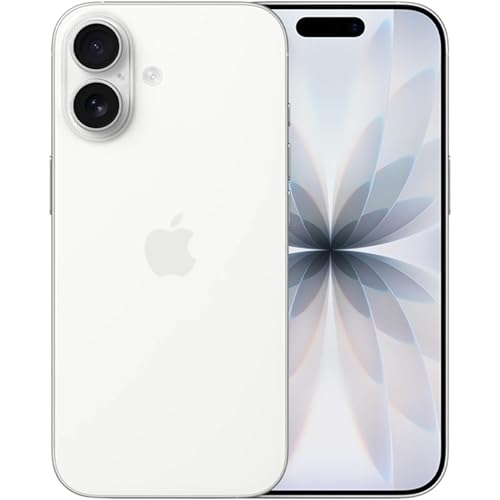
    On the back, you’ll notice a redesigned oval camera module with two lenses neatly aligned vertically — it’s minimal, modern, and instantly recognizable as an iPhone.
    And color lovers, you’re spoiled for choice — Apple’s offering five shades: Black, White, Sage, Mist Blue, and Lavender.
    The 6.3-inch Super Retina XDR display reaches a crazy 3,000 nits of brightness, meaning even direct sunlight can’t stop it from shining. You still get 120 Hz ProMotion, P3 color gamut, and that crisp HDR contrast that makes everything — from Netflix to notes — look stunning.
    And yes, it’s protected by Ceramic Shield 2, which Apple claims is three times tougher than before.
    Performance – The Power of A19
    Under the hood, the iPhone 17 runs on Apple’s new A19 chip — a 6-core processor built for Apple Intelligence.
    This chip doesn’t just make things faster — it makes them smarter.
    Live Translation, Image Playground, Genmoji creation — all those AI features are powered seamlessly, without lag or waiting.
    Add 8 GB of RAM and 256 GB of storage, and you’ve got a device that handles gaming, 4K video editing, and multitasking without breaking a sweat.
    Camera System
    Apple’s pushing its Dual Fusion 48 MP system hard this year.
    Both the main and ultra-wide sensors capture at 48 MP, offering four times more detail than before.
    The main camera supports optical zoom up to 2x, while the Ultra Wide gets an upgraded Night Mode, perfect for those moody low-light shots.
    And up front? An 18 MP selfie camera with Center Stage and Dual Capture, making it ideal for vlogging or group selfies — you can even reframe or zoom later without losing quality.
    Battery & Charging
    Battery life is another highlight — up to 30 hours of video playback.
    And with the new 40 W fast charging, just 10 minutes on the cable gives you around 8 hours of video, or 20 minutes to hit 50% charge.
    That’s a major leap from the older 20 W standard.
    Connectivity
    Apple finally brings Wi-Fi 7, 5G, Bluetooth 6, and USB-C across the board.
    You get faster speeds, lower latency, and better efficiency — especially with audio streaming or large file transfers.
    And of course, NFC with Apple Pay and eSIM support remain, making it super convenient for travel or dual-number use.
    iOS 26 & Apple Intelligence
    This iPhone runs on iOS 26, which really leans into privacy and intelligence.
    Face ID remains the gold standard for secure unlocks, while Messages and FaceTime stay end-to-end encrypted.
    But what’s new is the Liquid Glass interface — animated lock screens, 3D depth effects, and a more fluid, futuristic look.
    Plus, Apple Intelligence now helps rewrite text, translate instantly, create personalized emojis, and even clean up photos with one tap.
    New Hardware Features
    Apple added some physical upgrades too.
    There’s a new Camera Control button — press it, and the camera opens instantly for quick shots.
    And the Action Button is more customizable than ever — use it for shortcuts, translation, or even silent mode with a single press.
    And that’s your deep dive into the iPhone 17 — the most balanced and capable iPhone Apple has ever built.
    Next time on Manh Hao Podcast, we’ll break down how it stacks up against the iPhone 17 Pro Max, and whether the jump is worth it for power users.

    Show More Show Less
    5 mins
  • Compare the iPhone 17 Pro vs iPhone 16 Pro
    Nov 7 2025

    Hey everyone, welcome back to the Manh Hao Podcast — where we dive deep into the latest and greatest in tech.

    Today, we’re putting two of Apple’s premium flagships head-to-head — the iPhone 17 Pro and last year’s iPhone 16 Pro.

    On paper, the iPhone looks like a big leap — but how much of it is real innovation, and how much is just refinement? Let’s break it down.

    Design & Build

    Starting with design — Apple’s gone for a pretty bold shift this year.

    The iPhone 17 Pro now uses a 7000-series aerospace aluminum unibody, with a new laser-welded vapor chamber to help control heat.

    It also introduces Ceramic Shield 2, which — for the first time — protects both the front and the back. Apple says it’s 3x more scratch-resistant and 4x more crack-resistant than the 16 Pro’s glass.

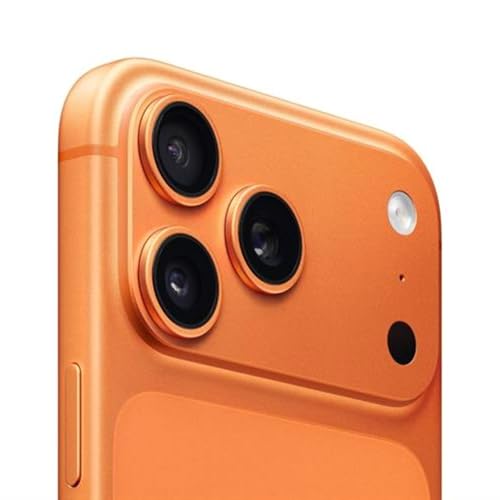
    Color options have changed too — you now get Deep Blue, Cosmic Orange, and Silver, which feel more premium compared to the 16 Pro’s titanium-based look.

    Meanwhile, the iPhone 16 Pro still keeps that titanium frame, but only has Ceramic Shield on the front, and the back is still regular glass.

    So, if you care about durability — the 17 Pro clearly takes the edge here.

    Display

    Both phones feature a 6.3-inch Super Retina XDR display, but the 17 Pro adds a few key upgrades.

    It’s brighter — now peaking at 3000 nits, compared to 2000 on the 16 Pro — and features a new anti-glare Ceramic Shield layer.

    You still get ProMotion 120Hz and Always-On Display, but the contrast outdoors and sunlight visibility are noticeably improved on the newer model.

    So for people who use their phone outdoors a lot, or watch HDR content — this is a real, tangible upgrade.

    Camera System

    Now, onto the most exciting part — the camera.

    The iPhone 17 Pro packs three 48MP lenses: main, ultra-wide, and a new telephoto with a tetraprism design that’s 56% larger than before.

    That means better light capture, sharper details, and zoom up to 8x optical and 40x digital — that’s a massive jump from the 16 Pro’s 3x optical zoom.

    Apple’s also introducing Photonic Engine 2, Smart HDR 6, and Deep Fusion+ for more natural textures in low light.

    On top of that, there’s now an 18MP front camera with Center Stage, Dual Capture, and 4K HDR video — all powered by AI to auto-adjust framing.

    For creators, Apple’s really leaning into pro video: ProRes RAW, Apple Log 2, and genlock support are all available on the 17 Pro — features you’d normally find on cinema-grade cameras.

    The iPhone 16 Pro, while still great, can’t really compete here — it has a 12MP telephoto, a 12MP ultra-wide, and a 12MP front camera without these pro video tools.

    Performance

    Under the hood, the A19 Pro chip is a monster.

    Built on the 3nm architecture, it features a 6-core CPU, 6-core GPU, and a 16-core Neural Engine.

    But the real story here is efficiency — the vapor chamber cooling helps the 17 Pro maintain up to 40% higher sustained performance than the 16 Pro, especially during gaming or AI-heavy workloads.

    It’s also the first iPhone with Neural Accelerators built into every core, making on-device AI faster and smarter.

    Plus, it’s got Wi-Fi 7, Bluetooth 6, and Thread support — all missing from the 16 Pro.

    Storage starts at 256GB now, instead of 128GB, which is a nice bump.

    Battery & Charging

    Battery life also gets a serious upgrade.

    The iPhone 17 Pro 512GB lasts up to 31 hours of video playback, compared to 23 hours on the 16 Pro.

    Charging is faster too — 50% in just 20 minutes with a 40W USB-C charger, and up to 25W MagSafe wireless charging.

    The 16 Pro, by comparison, needs around 30 minutes for the same charge and tops out at 22W wireless.

    Final Thoughts

    So, what’s the verdict?

    If you’re coming from the iPhone 16 Pro, the iPhone 17 Pro might not look revolutionary on the outside — but internally, it’s a massive leap.

    You get better cooling, longer battery life, Wi-Fi 7, and some genuinely pro-level camera tools.


    Show More Show Less
    5 mins
  • iPhone 17 Pro Max Specification Breakdown
    Nov 7 2025

    Hey everyone, welcome back to the Manh Hao Podcast — your weekly stop for everything tech, smart, and cutting-edge.

    Today, we’re diving deep into Apple’s most powerful and luxurious phone yet — the iPhone 17 Pro Max.

    So let’s break it all down — design, display, performance, camera, battery, and everything that makes this iPhone stand out in 2025.

    Design & Display

    Let’s start with the design.

    This iPhone comes wrapped in aerospace-grade titanium — it’s lighter than stainless steel, but still feels rock solid.

    The camera module on the back? It’s slimmer now, even though it houses three massive sensors.

    It looks balanced, futuristic, and just… Apple-level clean.

    And yes, the color lineup is beautiful:

    Deep Blue for that cool, professional vibe,

    Cosmic Orange for those who want to stand out,

    and Silver for the timeless, elegant look.

    Now, the display — this thing is stunning.

    It’s a 6.9-inch Super Retina XDR OLED panel with ProMotion 120Hz, HDR10, and Dolby Vision.

    The resolution sits at 1320 by 2868 pixels, so everything looks razor sharp.

    Apple also cranked the brightness up to 3,000 nits outdoors — meaning you can actually read your screen under bright sunlight without squinting.

    Add True Tone and P3 color gamut, and this screen easily ranks among the best in the industry.

    Performance

    Now, under the hood — this is where things get serious.

    The iPhone 17 Pro Max runs on the A19 Bionic chip, built on a 3-nanometer process.

    It’s got a 6-core CPU and a 6-core GPU, pushing performance to new heights whether you’re gaming, editing 4K videos, or just multitasking.

    And paired with 12GB of RAM, this iPhone can handle pro apps like Final Cut Pro or Lightroom Mobile effortlessly — no lag, no slowdown.

    Apple even added a vapor chamber cooling system, so it can maintain top performance for longer sessions — something pro users will appreciate.

    Storage starts at 256GB, which feels just right for creators storing photos, videos, and projects.

    Camera System

    Of course, the headline feature — the camera system.

    The iPhone 17 Pro Max packs three 48MP sensors — wide, ultra-wide, and telephoto.

    The main camera delivers exceptional clarity in all lighting conditions, while the 8x optical zoom on the telephoto lens lets you capture distant subjects with incredible detail.

    The ultra-wide is perfect for landscapes or creative shots, keeping everything sharp from edge to edge.

    And yes, the 18MP front camera gives you super clear, natural selfies — ideal for vloggers or FaceTime calls.

    Apple’s Photonic Engine, Smart HDR 6, and Deep Fusion work together to produce lifelike tones and rich dynamic range.

    Night Mode is faster and sharper, with less noise and better texture preservation.

    But for video shooters — this is where it really shines.

    The iPhone 17 Pro Max supports ProRes video recording up to 8K at 60fps, plus a new LOG format for professionals who color grade their footage.

    You can literally film cinematic-quality content right from your pocket.

    Battery & Charging

    Let’s talk endurance.

    The iPhone 17 Pro Max can run for up to 30 hours of video playback, and Apple’s new Battery Health+ system helps keep long-term battery life strong.

    Charging is faster too — 40W wired, MagSafe wireless, and now with USB-C.

    Finally.

    You can get from 0 to 50% in about 20 minutes, which is perfect if you’re always on the move.

    Connectivity & Software

    Connectivity-wise, this phone is future-ready.

    You’ve got Wi-Fi 7, 5G mmWave, Bluetooth 6.0, and Apple’s U2 Ultra Wideband chip for precise location tracking in the Find My app.

    It runs on iOS 26, bringing major upgrades in privacy and intelligence.

    Face ID 3D Secure+ improves security, while the new AI Personal Assistant helps manage your day, messages, and notifications using natural voice commands.

    Plus, Privacy Shield 2.0 gives you tighter control over what apps can track or access — definitely a win for users who care about data protection.


    Show More Show Less
    7 mins
  • Is the iPhone 12 still worth it in 2025
    Oct 30 2025

    Hey everyone, welcome back to the Manh Hao Podcast — your go-to place for honest and insightful takes on the latest tech.

    Today, we’re rewinding a bit — back to one of Apple’s most balanced flagships — the iPhone 12. Even years after launch, it’s still one of the most popular models on the market. So, what makes it so timeless? Let’s dive into why the iPhone 12 still holds up — from its design, display, and performance, to the features that keep it relevant today.

    Let’s start with the design.

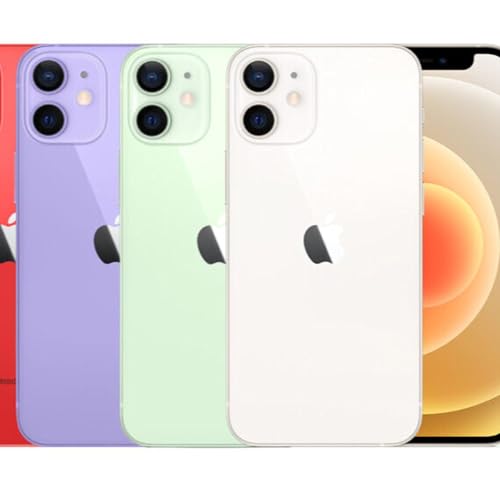
    The iPhone 12 marked a big shift in Apple’s design language — gone were the curved edges of the iPhone 11, replaced by flat aluminum sides that made it look sleek, modern, and premium. It’s lightweight, thin, and comes in six color options — Black, White, Blue, Green, Purple, and Product Red — so there’s something for everyone.

    Apple also introduced the Ceramic Shield, claimed to be four times more resistant to drops compared to before. In everyday use, it really does handle scratches and bumps better than most phones in its range.

    Under the hood, the A14 Bionic chip keeps the this iPhone running like a champ.

    Even now, it delivers flagship-level performance. The 6-core CPU balances power and efficiency perfectly, while the 4-core GPU ensures graphics remain smooth — whether you’re gaming, editing videos, or multitasking.

    Simply put, it’s still powerful enough for iOS 18 and everything you’d expect from a premium iPhone experience.

    Next up — the display.

    Apple’s Super Retina XDR OLED panel is stunning. It’s a 6.1-inch Full HD+ screen with HDR10 and Dolby Vision support, reaching up to 1200 nits of brightness when showing HDR content.

    The result? Deep blacks, bright highlights, and incredible contrast. Whether you’re watching a movie, scrolling social media, or gaming, the display just feels alive.

    Now let’s talk about cameras.

    The dual 12MP setup — wide and ultra-wide — might not sound fancy on paper today, but Apple’s image processing makes it shine. The main lens captures bright, crisp shots even in low light, while the ultra-wide helps you fit more into every frame.

    The 12MP front camera supports Night Mode and 4K recording — perfect for selfies, vlogs, or FaceTime calls that look sharp every time.

    Even in 2025, it’s still one of the most reliable mobile camera systems around.

    For storage, this model packs 128GB — the sweet spot for most people. Just note, there’s no microSD slot, so choose your storage wisely.

    Battery-wise, the 2815mAh cell might look modest, but thanks to Apple’s efficiency, you can still get a full day’s use easily. It supports 20W fast charging and MagSafe, Apple’s magnetic wireless charging system that also works with accessories like wallets and power banks.

    And of course, you’re getting 5G connectivity and IP68 water resistance, meaning it’s safe in the rain or even a quick drop in water.

    It’s fast, durable, and built to last — not bad for a phone that’s been around for years.

    So, is the iPhone 12 still worth it in 2025?

    Absolutely.

    It’s a timeless design, great performance, reliable battery life, and that Apple ecosystem that just works. For anyone looking for a premium iPhone experience without paying flagship prices, the iPhone 12 still delivers.

    That’s all for today’s episode of the Manh Hao Podcast.

    If you enjoyed this breakdown, don’t forget to follow and leave a rating — it really helps us grow.

    Thanks for listening, and I’ll catch you in the next one — right here on the Manh Hao Podcast.

    Show More Show Less
    5 mins
  • The Midrange Showdown of Galaxy A24 vs A25
    Oct 15 2025

    Hey everyone, welcome back to Manh Hao's Podcast!

    Today, we’re diving in to explore different smartphone options again.

    Let talk about the Samsung’s midrange lineup — the Galaxy A24 and its newer sibling, the Galaxy A25 5G. If you’ve been wondering whether the upgrade is really worth it, stay tuned, because we’re breaking it all down: design, performance, display, cameras, and of course — value for money.

    Let’s start with the Galaxy A24. When it launched, it was one of Samsung’s best bang-for-buck phones — offering a solid 6.5-inch Super AMOLED display, Full HD+ resolution, and a smooth 90Hz refresh rate. You also got a big 5000mAh battery with 25W fast charging and a reliable MediaTek Helio G99 chipset — great for daily use and some light gaming.

    It was simple, elegant, and for most users, more than enough phone for the price.

    But — Samsung wasn’t done yet.

    Enter the Galaxy A25 5G, the successor that builds on everything the A24 did right, but takes things a step further.

    First, let’s talk display — same size, same Full HD+ resolution, still Super AMOLED. But the difference? The A25 jumps to 120Hz, giving you an even smoother scrolling and gaming experience. If you’re big on fluid visuals, that’s an instant win.

    Brightness is still excellent — up to 1000 nits — so outdoor visibility isn’t a problem on either model.

    Now for the performance. This is where things really change.

    The A24 runs on MediaTek’s Helio G99, which is solid but limited to 4G. The A25, on the other hand, upgrades to Samsung’s Exynos 1280 — not only faster and more efficient but also adds 5G support.

    So if you’re in an area with 5G coverage, you’ll notice faster downloads, smoother streaming, and just overall better connectivity.

    Both phones offer up to 8GB of RAM, and you can expand storage up to 1TB with a microSD card, which is always a plus.

    Let’s move on to the cameras.

    Samsung didn’t change much here — you’re still getting a 50MP main camera, a 5MP ultrawide on the A24 (8MP on the A25), and a 2MP macro lens. The front camera remains 13MP, good enough for selfies and video calls.

    The big difference? Both support OIS — optical image stabilization — but Samsung refined it slightly on the A25, giving you a little more stability when shooting in low light or while moving.

    And the addition of stereo speakers with Dolby Atmos on the A25 really improves your entertainment experience. Watching movies or gaming just feels more immersive.

    Battery life? Both pack the same 5000mAh battery and 25W fast charging. Realistically, both phones can easily last a full day or even two with moderate use.

    So in daily life, you won’t feel much difference there — but the A25’s chip does make power use a bit more efficient.

    Now, let’s talk about price and value.

    The A24 is still an amazing deal if you’re on a tighter budget or if 4G is all you need. But if you want something that’s a bit more future-proof — with 5G, smoother performance, and that 120Hz display — the A25 5G is the clear winner.

    Think of it this way: the A24 is great for students or anyone who just wants a reliable daily phone. The A25 is for those who want a bit more speed, smoother visuals, and better connectivity without going flagship.

    And that’s our quick comparison of the Samsung A24 and Samsung A25!

    If you’re upgrading, the A25 5G definitely brings enough improvements to justify the move — especially for gamers, streamers, or anyone planning to stick with their phone for the next few years.

    Thanks for listening to Manh Hao's Podcast! Don’t forget to follow for more smart tech breakdowns, and I’ll catch you in the next episode.

    Show More Show Less
    5 mins
  • Comparing the Galaxy A35 5G vs Galaxy A55 5G
    Oct 14 2025

    Hey everyone, welcome back to the show!

    Today, we’re diving into two of Samsung’s most talked-about mid-range smartphones — the Galaxy A35 5G and the Galaxy A55 5G.

    So — let’s break it all down!

    Let’s start with where these two phones sit in Samsung’s lineup.

    The Galaxy A35 5G is designed to be the more affordable option — a solid performer for everyday users who want 5G, a beautiful display, and long battery life without spending too much.

    The Galaxy A55 5G, on the other hand, steps things up.

    It’s aimed at users who want a premium design, better performance, stronger cameras, and enhanced security features — all while staying in the mid-range category.

    Think of the A35 as “smart value,” and the A55 as “mid-range premium.”

    Both phones share Samsung’s clean, minimalist look, but the A55 takes things up a notch.

    It features a metal frame — which feels sturdier and more premium — compared to the plastic frame on the A35.

    The A55 also has a matte finish on the back, so it resists fingerprints better and keeps that sleek, clean look.

    Display-wise, both use 6.6-inch Super AMOLED panels with Full HD+ resolution and a 120Hz refresh rate, meaning you’ll get smooth scrolling and vibrant colors on either device.

    But the A55 gets a slight edge in brightness, reaching up to 1000 nits, which helps when you’re using it outdoors.

    Now for performance — this is where the gap widens.

    The Galaxy A35 5G runs on the Exynos 1380 chip — a solid performer for daily tasks, streaming, and even casual gaming.

    The A55 5G, however, is powered by the newer Exynos 1480 chipset.

    It’s not just faster — it’s also more efficient, meaning smoother performance and better handling of heavy apps or multitasking.

    Both phones come with 8GB of RAM, but the A55 also offers a 12GB option for power users.

    Storage goes up to 256GB on both, with microSD expansion if you need more space.

    When it comes to cameras, both the A35 and A55 deliver great results for their price.

    They each feature a 50MP main camera, but the A55 adds Optical Image Stabilization — or OIS — which helps keep your shots sharper and your videos steadier, especially in low light.

    The A35 comes with an 8MP ultra-wide and a 5MP macro camera, while the A55 upgrades the ultra-wide to 12MP, capturing more detail and better color balance.

    On the front, you’ll notice a big difference — the A55 has a 32MP selfie camera, compared to 13MP on the A35.

    So if you love taking selfies or do a lot of video calls, the A55 clearly wins here.


    Battery life is almost identical between the two.

    Both pack a 5000 mAh battery and support 25W fast charging — enough to get you through a full day with ease.

    Neither phone supports wireless charging, but with fast charging, you’ll still get about 50% power in under 30 minutes.

    Now, let’s talk about the extra stuff — the little details that make a big difference.

    Both phones come with Samsung Knox Vault, Samsung’s top-tier security feature that protects your passwords, PINs, and private data.

    You also get NFC, 5G connectivity, and Android 14 out of the box.

    But the A55 includes stereo speakers with Dolby Atmos, giving you a richer, more immersive sound experience for music and movies — something the A35 doesn’t have.

    And here’s another bonus: the A55 has an IP67 rating, meaning it’s dust- and water-resistant — a major plus for peace of mind.

    So, how much will all this cost you?

    The Galaxy A35 5G is priced around 4.999 million Rupiah, while the A55 5G sits a bit higher — depending on the variant and RAM configuration.

    If you’re looking for a reliable 5G phone with great performance, a bright display, and long battery life — the Galaxy A35 is a fantastic value.

    But if you want a more premium feel, better cameras, louder speakers, and extra durability, the A55 is absolutely worth the upgrade.

    That wraps up today’s episode — a quick comparison between the Samsung A35 5G and Samsung A55 5G.

    Thanks for listening — and I’ll catch you in the next one!

    Show More Show Less
    6 mins