Episodes

  • Iron Guard Part 3: The Legionary Movement
    Jan 31 2026

    The “Legion of the Archangel Michael” struggles to establish itself as a new force in Romanian politics. As the Legion builds up a strong coalition of peasants, workers, and students, the authorities begin to crack down against the movement.

    Email me: perspectivesinhistorypod@gmail.com

    Podcast Website

    Follow me on Twitter

    Facebook Page

    Buy Some Used Books

    Bibliography

    Clark, Roland. Holy Legionary Youth: Fascist Activism in Interwar Romania. Cornell University Press, 2015

    Codreanu, Cornelieu Zelea. For My Legionaries. Black House Publishing Ltd, 2015

    Hitchins, Keith. A Concise History of Romania. Cambridge University Press, 2014

    Ioanid, Radu. The Sword of the Archangel: Fascist Ideology in Romania. Columbia University Press, 1990

    Iordachi, Constantin. The Fascist Faith of the Legion “Archangel Michael” in Romania, 1927-1941: Martyrdom and National Purification. Routledge, 2023

    Kaplan, Robert D. Balkan Ghosts: A Journey Through History. Picador, 2005.

    Nagy-Talavera, Nicholas. The Green Shirts and the Others: A History of Fascism in Hungary and Romania. Hoover Institution Press, 1970.

    Tiu, Ilarion. The Legionary Movement after Corneliu Codreanu. Columbia University Press, 2009

    Sturdza, Michel. The Suicide of Europe: Memoirs of Prince Michel Sturdza, Former Foreign Minister of Rumania. Islands Publishers, 1968.

    Sima, Horia. The History of the Legionary Movement. The Legionary Press, 1995

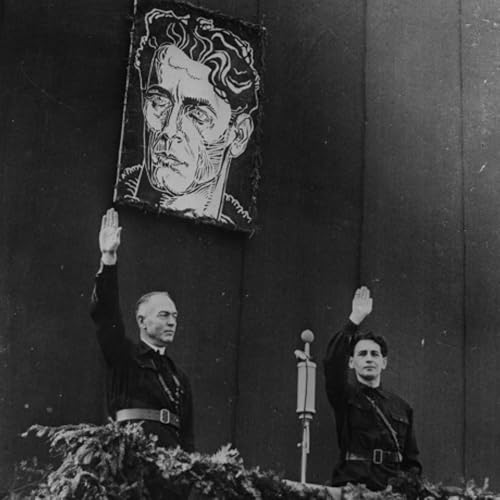
    Cover Image: Romanian prime minister Ion Antonescu and deputy prime minister Horia Sima at a demonstration memorializing Corneliu Zelea Codreanu, the late founder of the Iron Guard. (Bucharest, Romania. October, 1940.)

    Closing Theme: “Sfanta Tinerete Legionara,” (Hymn of the Legionary Youth)

    Show More Show Less
    56 mins
  • Iron Guard Part 2: Emissary of the Archangel
    Jan 17 2026

    Corneliu Zelea Codreanu and his associates face great trials in their efforts to solve the “Jewish Question” in Romania. When the political party they helped to found becomes irrevocably split, they take it upon themselves to form a new organization.

    Email me: perspectivesinhistorypod@gmail.com

    Podcast Website

    Follow me on Twitter

    Facebook Page

    Buy Some Used Books

    Bibliography

    Clark, Roland. Holy Legionary Youth: Fascist Activism in Interwar Romania. Cornell University Press, 2015

    Codreanu, Cornelieu Zelea. For My Legionaries. Black House Publishing Ltd, 2015

    Hitchins, Keith. A Concise History of Romania. Cambridge University Press, 2014

    Ioanid, Radu. The Sword of the Archangel: Fascist Ideology in Romania. Columbia University Press, 1990

    Iordachi, Constantin. The Fascist Faith of the Legion “Archangel Michael” in Romania, 1927-1941: Martyrdom and National Purification. Routledge, 2023

    Kaplan, Robert D. Balkan Ghosts: A Journey Through History. Picador, 2005.

    Nagy-Talavera, Nicholas. The Green Shirts and the Others: A History of Fascism in Hungary and Romania. Hoover Institution Press, 1970.

    Tiu, Ilarion. The Legionary Movement after Corneliu Codreanu. Columbia University Press, 2009

    Sturdza, Michel. The Suicide of Europe: Memoirs of Prince Michel Sturdza, Former Foreign Minister of Rumania. Islands Publishers, 1968.

    Sima, Horia. The History of the Legionary Movement. The Legionary Press, 1995

    Cover Image: Romanian prime minister Ion Antonescu and deputy prime minister Horia Sima at a demonstration memorializing Corneliu Zelea Codreanu, the late founder of the Iron Guard. (Bucharest, Romania. October, 1940.)

    Closing Theme: “Sfanta Tinerete Legionara,” (Hymn of the Legionary Youth)

    Show More Show Less
    53 mins
  • Iron Guard Part 1: The Plot Against Romania
    Jan 3 2026

    In the turbulent years following the conclusion of the First World War, a young Romanian law student named Corneliu Zelea Codreanu becomes utterly convinced that his nation is under threat by a Jewish-Communist conspiracy. Inspired by the success of the Italian fascists, Codreanu begins working to create a similar right-wing movement in his own country.

    Email me: perspectivesinhistorypod@gmail.com

    Podcast Website

    Follow me on Twitter

    Facebook Page

    Buy Some Used Books

    Bibliography

    Clark, Roland. Holy Legionary Youth: Fascist Activism in Interwar Romania. Cornell University Press, 2015

    Codreanu, Cornelieu Zelea. For My Legionaries. Black House Publishing Ltd, 2015

    Hitchins, Keith. A Concise History of Romania. Cambridge University Press, 2014

    Ioanid, Radu. The Sword of the Archangel: Fascist Ideology in Romania. Columbia University Press, 1990

    Iordachi, Constantin. The Fascist Faith of the Legion “Archangel Michael” in Romania, 1927-1941: Martyrdom and National Purification. Routledge, 2023

    Kaplan, Robert D. Balkan Ghosts: A Journey Through History. Picador, 2005.

    Nagy-Talavera, Nicholas. The Green Shirts and the Others: A History of Fascism in Hungary and Romania. Hoover Institution Press, 1970.

    Tiu, Ilarion. The Legionary Movement after Corneliu Codreanu. Columbia University Press, 2009

    Sturdza, Michel. The Suicide of Europe: Memoirs of Prince Michel Sturdza, Former Foreign Minister of Rumania. Islands Publishers, 1968.

    Sima, Horia. The History of the Legionary Movement. The Legionary Press, 1995

    Cover Image: Romanian prime minister Ion Antonescu and deputy prime minister Horia Sima at a demonstration memorializing Corneliu Zelea Codreanu, the late founder of the Iron Guard. (Bucharest, Romania. October, 1940.)

    Closing Theme: “Sfanta Tinerete Legionara,” (Hymn of the Legionary Youth)

    Show More Show Less
    59 mins
  • Marquis de Lafayette Part 17: The Nation's Guest
    Nov 15 2025

    With his political fortunes waning in France, Lafayette decides to embark on a long-deferred trip to the United States. As one of the last surviving figures of the founding generation, Lafayette’s 18 month grand tour inspires some of the most rapturous celebrations in the young nation’s history.

    Email me: perspectivesinhistorypod@gmail.com

    Podcast Website

    Follow me on Twitter

    Facebook Page

    Buy Some Used Books

    Bibliography

    Auricchio, Laura. The Marquis: Lafayette Reconsidered. Vintage Books, 2015.

    Babeau, Emile and Maurice de la Fuye. The Apostle of Liberty: A Life of Lafayette. Thames and Hudson, 1956.

    Duncan, Mike. Hero of Two Worlds: The Marquis de Lafayette in the Age of Revolution. Hachette Book Group, 2021.

    Israel, Jonathan. The Expanding Blaze: How the American Revolution Ignited the World, 1775-1848. Princeton University Press, 2011.

    Kramer, Lloyd S. Lafayette in Two Worlds: Public Cultures and Personal Identities in an Age of Revolutions. University of North Carolina Press, 1996.

    Lafayette, Marie Joseph Paul Yves Roch Gilbert Du Motier. Memoirs, Correspondence, and Manuscripts of General Lafayette, vols 1-6. Saunders and Otley, 1837.

    Schama, Simon. Citizens: A Chronicle of the French Revolution. Alfred A. Knopf, 1989.

    Unger, Harlow Giles. Lafayette. John Wiley & Sons, Inc, 2002.

    Woodward, W.E. Lafayette. Farrar & Rinehart, 1938.

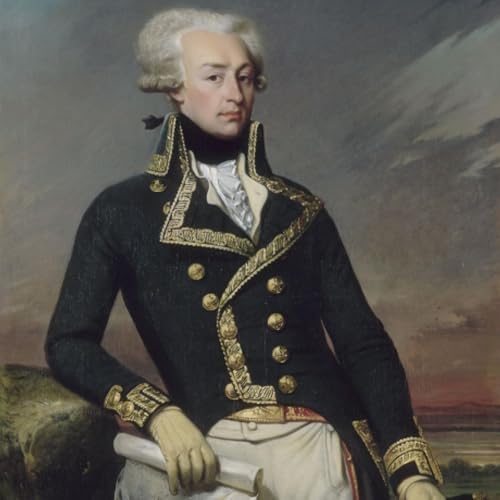
    Cover Image: Portrait of Gilbert Motier the Marquis De Lafayette as a Lieutenant General, 1791. Painting by Joseph-Désiré Court, 1834.

    Closing theme: "Ça Ira" (It will be fine)- popular song from the French Revolution.

    Show More Show Less
    2 hrs and 12 mins
  • Marquis de Lafayette Part 16: Counter-Revolution and Conspiracy
    Nov 1 2025

    Once again restored to power in France, the House of Bourbon and their supporters work to reverse the enduring changes brought about by the revolution. Lafayette rallies his fellow liberals to oppose this reactionary agenda, but when legal methods of opposition prove ineffective, he is driven to increasingly seditious actions.

    Email me: perspectivesinhistorypod@gmail.com

    Podcast Website

    Follow me on Twitter

    Facebook Page

    Buy Some Used Books

    Bibliography

    Auricchio, Laura. The Marquis: Lafayette Reconsidered. Vintage Books, 2015.

    Babeau, Emile and Maurice de la Fuye. The Apostle of Liberty: A Life of Lafayette. Thames and Hudson, 1956.

    Duncan, Mike. Hero of Two Worlds: The Marquis de Lafayette in the Age of Revolution. Hachette Book Group, 2021.

    Israel, Jonathan. The Expanding Blaze: How the American Revolution Ignited the World, 1775-1848. Princeton University Press, 2011.

    Kramer, Lloyd S. Lafayette in Two Worlds: Public Cultures and Personal Identities in an Age of Revolutions. University of North Carolina Press, 1996.

    Lafayette, Marie Joseph Paul Yves Roch Gilbert Du Motier. Memoirs, Correspondence, and Manuscripts of General Lafayette, vols 1-6. Saunders and Otley, 1837.

    Schama, Simon. Citizens: A Chronicle of the French Revolution. Alfred A. Knopf, 1989.

    Unger, Harlow Giles. Lafayette. John Wiley & Sons, Inc, 2002.

    Woodward, W.E. Lafayette. Farrar & Rinehart, 1938.

    Cover Image: Portrait of Gilbert Motier the Marquis De Lafayette as a Lieutenant General, 1791. Painting by Joseph-Désiré Court, 1834.

    Closing theme: "Ça Ira" (It will be fine)- popular song from the French Revolution.

    Show More Show Less
    1 hr and 9 mins
  • Marquis de Lafayette Part 15: The Fallen Eagle
    Oct 18 2025

    In 1814, as Napoleon’s fortunes turn for the worse, Lafayette considers returning to politics. Unwilling to sit idle while the survival of the nation was at stake, he was determined to rekindle the flame of liberty- or at least to do what he could to avert a total catastrophe.

    Email me: perspectivesinhistorypod@gmail.com

    Podcast Website

    Follow me on Twitter

    Facebook Page

    Buy Some Used Books

    Bibliography

    Auricchio, Laura. The Marquis: Lafayette Reconsidered. Vintage Books, 2015.

    Babeau, Emile and Maurice de la Fuye. The Apostle of Liberty: A Life of Lafayette. Thames and Hudson, 1956.

    Duncan, Mike. Hero of Two Worlds: The Marquis de Lafayette in the Age of Revolution. Hachette Book Group, 2021.

    Israel, Jonathan. The Expanding Blaze: How the American Revolution Ignited the World, 1775-1848. Princeton University Press, 2011.

    Kramer, Lloyd S. Lafayette in Two Worlds: Public Cultures and Personal Identities in an Age of Revolutions. University of North Carolina Press, 1996.

    Lafayette, Marie Joseph Paul Yves Roch Gilbert Du Motier. Memoirs, Correspondence, and Manuscripts of General Lafayette, vols 1-6. Saunders and Otley, 1837.

    Schama, Simon. Citizens: A Chronicle of the French Revolution. Alfred A. Knopf, 1989.

    Unger, Harlow Giles. Lafayette. John Wiley & Sons, Inc, 2002.

    Woodward, W.E. Lafayette. Farrar & Rinehart, 1938.

    Cover Image: Portrait of Gilbert Motier the Marquis De Lafayette as a Lieutenant General, 1791. Painting by Joseph-Désiré Court, 1834.

    Closing theme: "Ça Ira" (It will be fine)- popular song from the French Revolution.

    Show More Show Less
    1 hr and 1 min
  • Marquis de Lafayette Part 14: Hero of a Bygone Age
    Oct 4 2025

    Regaining his freedom after five years in prison, Lafayette emerges into a world irrevocably changed by the revolution he helped put into motion. Now considered a political liability by the governments of both France and the United States, and with war continuing to rage across Europe, his future appeared more uncertain than ever.

    Email me: perspectivesinhistorypod@gmail.com

    Podcast Website

    Follow me on Twitter

    Facebook Page

    Buy Some Used Books

    Bibliography

    Auricchio, Laura. The Marquis: Lafayette Reconsidered. Vintage Books, 2015.

    Babeau, Emile and Maurice de la Fuye. The Apostle of Liberty: A Life of Lafayette. Thames and Hudson, 1956.

    Duncan, Mike. Hero of Two Worlds: The Marquis de Lafayette in the Age of Revolution. Hachette Book Group, 2021.

    Israel, Jonathan. The Expanding Blaze: How the American Revolution Ignited the World, 1775-1848. Princeton University Press, 2011.

    Kramer, Lloyd S. Lafayette in Two Worlds: Public Cultures and Personal Identities in an Age of Revolutions. University of North Carolina Press, 1996.

    Lafayette, Marie Joseph Paul Yves Roch Gilbert Du Motier. Memoirs, Correspondence, and Manuscripts of General Lafayette, vols 1-6. Saunders and Otley, 1837.

    Schama, Simon. Citizens: A Chronicle of the French Revolution. Alfred A. Knopf, 1989.

    Unger, Harlow Giles. Lafayette. John Wiley & Sons, Inc, 2002.

    Woodward, W.E. Lafayette. Farrar & Rinehart, 1938.

    Cover Image: Portrait of Gilbert Motier the Marquis De Lafayette as a Lieutenant General, 1791. Painting by Joseph-Désiré Court, 1834.

    Closing theme: "Ça Ira" (It will be fine)- popular song from the French Revolution.

    Show More Show Less
    1 hr and 46 mins
  • Marquis de Lafayette Part 13: Prisoner of State
    Sep 20 2025

    Arrested by the Austrians after escaping political persecution in France, Lafayette is locked away in a dungeon for refusing to betray his ideals. While his family and friends, scattered across the world, do what they can to aid him, it becomes increasingly clear as time went on that his salvation would come from the same nation that had once scorned him.

    Email me: perspectivesinhistorypod@gmail.com

    Podcast Website

    Follow me on Twitter

    Facebook Page

    Buy Some Used Books

    Bibliography

    Auricchio, Laura. The Marquis: Lafayette Reconsidered. Vintage Books, 2015.

    Babeau, Emile and Maurice de la Fuye. The Apostle of Liberty: A Life of Lafayette. Thames and Hudson, 1956.

    Duncan, Mike. Hero of Two Worlds: The Marquis de Lafayette in the Age of Revolution. Hachette Book Group, 2021.

    Israel, Jonathan. The Expanding Blaze: How the American Revolution Ignited the World, 1775-1848. Princeton University Press, 2011.

    Kramer, Lloyd S. Lafayette in Two Worlds: Public Cultures and Personal Identities in an Age of Revolutions. University of North Carolina Press, 1996.

    Lafayette, Marie Joseph Paul Yves Roch Gilbert Du Motier. Memoirs, Correspondence, and Manuscripts of General Lafayette, vols 1-6. Saunders and Otley, 1837.

    Schama, Simon. Citizens: A Chronicle of the French Revolution. Alfred A. Knopf, 1989.

    Unger, Harlow Giles. Lafayette. John Wiley & Sons, Inc, 2002.

    Woodward, W.E. Lafayette. Farrar & Rinehart, 1938.

    Cover Image: Portrait of Gilbert Motier the Marquis De Lafayette as a Lieutenant General, 1791. Painting by Joseph-Désiré Court, 1834.

    Closing theme: "Ça Ira" (It will be fine)- popular song from the French Revolution.

    Show More Show Less
    1 hr and 35 mins