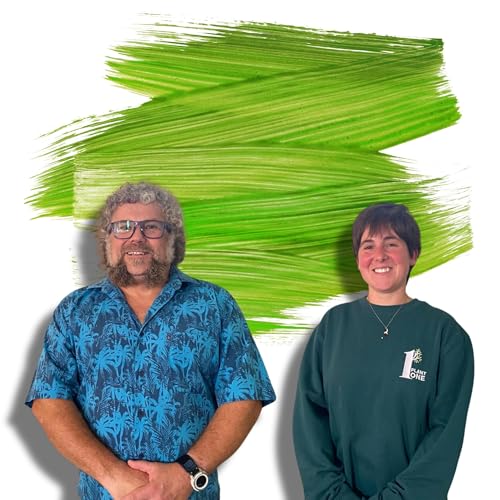
• S1E13: Rooted in Change: Rebuilding Cornwall’s Lost Woodlands – With Rai Lewis
    Aug 29 2025

    In this episode of Searching for a Greener Room, Curly Steve sits down with Rai Lewis, co-founder of Plant One Cornwall, to explore the urgent need to restore Cornwall’s lost woodlands and how communities are turning hope into action.

    Over 70% of England and Wales’ ancient woodlands have been lost or damaged, threatening biodiversity and vital habitats. Rai shares the story behind Plant One Cornwall and explains why planting the right trees in the right places matters more than numbers. We discuss genetic diversity, pressures on land use in Britain, and common misconceptions about woodland creation.

    The conversation also touches on the challenge of balancing biodiversity with carbon targets and offers five practical tips anyone can start today, from collecting rainwater to reducing meat consumption.

    If you’re curious about how woodland restoration connects to climate action and community resilience, this episode is for you. Subscribe for more inspiring stories or visit plantonecornwall.com to learn more.

    Show More Show Less
    1 hr and 11 mins
  • S1E12: Crustacean Nation: What It Takes to Rebuild Our Lobster Stocks – With Ben Marshall
    Aug 29 2025

    Curly Steve and Ben Marshall discuss what it really takes to rebuild our lobster populations, why these creatures are vital to healthy seas, and the surprising challenges that come with keeping our oceans in balance. Ben, who once ran music venues before retraining as a marine biologist, now leads production at the National Lobster Hatchery in Cornwall, where he works on the frontline of marine conservation.

    In this episode, you’ll hear about the extraordinary life cycle of lobsters, the threats they face from pollution and overfishing, and the hatchery’s work to give these animals a fighting chance. Ben shares his journey from rock and roll to marine science, explains how fishermen and conservationists can work together, and reveals some mind-blowing facts about lobsters – including their unusual biology and potential longevity.

    The conversation is packed with practical takeaways, from simple daily choices that support ocean health, to wider reflections on sustainability, food miles, and why small actions really matter. Whether you’re passionate about marine life, curious about conservation, or just love a good story of transformation, this episode will give you plenty to think about.

    For more inspiring conversations, subscribe to Searching for a Greener Room on your favourite platform, and visit searchingforagreenerroom.com to explore the project.

    Show More Show Less
    1 hr and 8 mins
  • S1E11: Tapping Into Ocean Superpowers – With Lizzi Larbalestier
    Aug 28 2025

    The Chat The Guest: Lizzi Larbalestier Ocean Advocate, Blue Health Coach, Seal Rescuer, and Water Whisperer

    The Chat Tapping Into Ocean Superpowers

    Childhood by the Sea Lizzi recalls her upbringing on the Cornish coast, where rockpools, dunes, and butterflies sparked her first connections with nature. Freedom to explore, often with little supervision, rooted her deep love of wild spaces and an early awareness of environmental care.

    From Corporate World to Coastline Her career began in retail and people development, but she was always drawn back to the ocean. Alongside corporate work, she trained in NLP, executive coaching, and animal rescue, building a toolkit of skills to explore behaviour, change, and communication.

    Creating a Blue Health Practice In 2009 Lizzi established her coaching practice in Cornwall. Over time, the ocean became central to her work, shifting her focus from performance outcomes to nature-centred transformation. Blue Health coaching was born: an approach that blends science, story, and embodied wisdom.

    One Hat: Living Blue Health For Lizzi, there is no division between personal and professional. Whether rescuing seals, leading beach cleans, or teaching yoga, it all falls under one hat: Blue Health. Her philosophy centres on reciprocity, recognising that humans are part of nature, not separate from it.

    The Power of Water Through concepts like “embodied water” and the eco-attention wave, Lizzi explains how water shapes every living system. From our cells to our seas, dissolving the boundary between self and nature opens the way for clarity, compassion, and wiser choices.

    Breath, Poetry, and Awe Breathing connects our inner and outer worlds, anchoring us in presence. Poetry and cadence stir emotions and deepen connection, while awe in nature expands our perspective and nurtures prosocial behaviour. Together, these tools dissolve stress and invite wonder.

    Seals, Walruses, and Hope Lizzi shares powerful stories from marine rescue, including her time with Wally the wandering walrus. These encounters reveal both the fragility and resilience of nature. Despite climate challenges, she finds hope in shared struggles, collective action, and the reminder that we are the wave.

    Top Achievable Tips

    • Learn about the ocean – we understand what we are taught, we love what we know, and we protect what we love

    • Breathe – connect your inner world with the outer world, and question the ripple effect

    • Mini beach clean or street clean – do this as a “beautiful act” rather than a social media post, and make it a habit

    • Dial up your plant-based meals – choose seasonal foods and avoid ultra-processed substitutes

    • Question your investments – check what your pension or energy supplier is funding and make a switch if needed

    Evidence

    • The Restorative Benefits of Nature: Toward an Integrative Framework – Research article by Stephen Kaplan

    • Awe, the Small Self, and Prosocial Behaviour – Research article by Paul K. Piff

    • The Emotional and Rewarding Aspects of Poetry Reading – Research article by Eugen Wassiliwizky

    • Blue Mind: The Surprising Science That Shows How Being Near, In, On, or Under Water Can Make You Happier, Healthier, More Connected, and Better at What You Do – Book by Wallace J. Nichols

    • mBraining: Using Your Multiple Brains to Do Cool Stuff – Book by Grant Soosalu and Marvin Oka

    What One Thing Can We Do Today to Make a Better Tomorrow? Take yourself to water in any form and remember that this water has been here since the dawn of time and will be here long after us. Ask: how might acknowledging deep time and nature’s rights change the way I make decisions?

    Contact Details Website: www.lizzilarbalestier.com Instagram: @lizzilarbalestier LinkedIn: lizzi-larbalestier

    Show More Show Less
    1 hr and 5 mins
  • S1E10: Beyond Cod & Chips: Redefining Britain’s Favourite Dish – With Pete Fraser
    Aug 28 2025

    The Chat The Guest: Pete Fraser Owner of Harbour Lights Fish & Chip Shop, Fraser’s Fish & Chips, and Kona; Sustainability Advocate in the Fish & Chip Industry

    The Chat From Navy to the Fryer Pete shares his journey from a Royal Navy helicopter observer to fish and chip shop owner, explaining how friendship and a leap into business ownership with Harbour Lights set him on a new path. After an amicable split with his first business partner, Pete found his stride, growing Harbour Lights and carving out a leadership role in bringing sustainability into the fish and chip world.

    Sustainability on the Plate Pete explains how his frustration with the lack of guidance on sustainable sourcing in the mid-2000s sparked a mission. Discovering only a handful of shops cared about sustainability at the time, he pushed forward, using MSC certification, engaging with the Cornwall Wildlife Trust, and adopting the Cornwall Good Seafood Guide. Dressing up in a cod outfit to teach children about sustainable fish, he learnt the power of fun and simple messages in shifting mindsets.

    Fish, Chips, Oil, and Packaging Pete takes us through the practicalities behind the nation’s favourite meal. Cod and haddock dominate UK diets, but he champions alternatives like pollock and Cornish hake, crediting celebrity chefs for helping expand public tastes. Chips, far from simple, are shaped by climate, storage, and supply challenges, with farmers balancing rain and sun to produce the perfect potato. On oil, Pete challenges misconceptions about palm oil, showing why responsibly sourced palm oil remains the most sustainable option when compared with alternatives like rapeseed. Packaging, too, comes with its complexities: biodegradable boxes only truly work if councils provide proper waste streams, highlighting the gap between policy pressure and practical recycling.

    Keeping it Light Pete emphasises that fish and chips should always be a joyful experience. His approach combines education with humour, encouraging customers to be brave, try new species, and see sustainability not as sacrifice but as adventure.

    Top Achievable Tips

    • Try a new fish species each month

    • Give the Big Five a miss (cod, haddock, prawns, salmon, tuna)

    • Try vegan alternatives such as tofu “fish”

    • Root to peel, head to tail: cut food waste by using the whole ingredient

    • Support local food producers and farm shops

    • Spend 10 minutes with your council’s waste guide to recycle better

    Evidence

    • Harbour Lights Fish Buying Policy 2025

    • Cornwall Good Seafood Guide (Cornwall Wildlife Trust)

    • Chester Zoo Sustainable Palm Oil Statement

    • Consumer Fish Buying Behaviour Report (University of Exeter)

    • Sunday Times Feature on Harbour Lights

    What One Thing Can We Do Today to Make a Better Tomorrow? Pete’s advice is simple: lighten up. Take sustainability seriously, but do it with laughter, kindness, and joy. A lighter touch reduces conflict and creates more change than anger or blame.

    Contact Details Harbour Lights Fish & Chips: Pete Fraser Instagram: @harbourlightsfalmouth

    Show More Show Less
    58 mins
  • S1E9: The Dam Truth - A Beaver Story - With Chris Jones
    Jul 23 2025
    The Guest: Chris Jones

    Farmer, Environmental Advocate, Lead Partner at the Cornwall Beaver Project, Co-Founder of the Beaver Trust

    The Chat From Soil Loss to Regeneration

    Chris shares the early days of Woodland Valley Farm, tracing his journey from traditional mixed farming through to environmental collapse under industrial daffodil growers. The devastation of the soil pushed him to rethink everything. He adopted organic farming, stopped ploughing, and started letting nature lead. His cows now graze in a rotational system that mimics wild herds, breaking parasite cycles and feeding dung beetles, which in turn feed endangered species like the greater horseshoe bat.

    Building Resilience Through Beavers

    Repeated local floods and the absence of state funding led Chris to a simple question: what if beavers could do the job for free? Since introducing them in partnership with Cornwall Wildlife Trust, the changes have been dramatic. Flood surges are delayed by hours, silt is held on land instead of washing into the sea, and standing water has made the farm more drought-resistant. Fish have returned in larger numbers and sizes, thanks to complex dam systems providing shelter and food. Even water quality has improved, with nitrates filtering out naturally through the beavers' wetlands.

    Biodiversity on the Rise

    From amphibians to bats, reptiles to mammals, the whole site is now alive with activity. Chris compares a stream without beavers to a smoky bonfire. Add beavers, and it’s like throwing petrol on it. Everything ignites. Algae supports insects, which feed birds, mammals, and fish. Polecats, grass snakes, otters, and 11 species of bats now call the site home.

    Letting Beavers Lead

    Chris explains that the current five-acre fenced enclosure is useful for research and accessibility, but he's in favour of letting beavers roam freely across Cornwall. Beavers, once settled, tend to stay. The challenge lies not in their behaviour but in the bureaucracy. Licences from Natural England are expensive and complex, pushing the burden onto charities and landowners. Still, Chris is hopeful: more wild populations are thriving quietly across rivers like the Tamar and the Otter.

    Human Intervention: Minimal

    Apart from fencing and a wheelchair-accessible walkway, very little has been done by humans. The space is a living demonstration of what happens when you step back and let beavers do what they do best.

    A Tour of the Beaver

    Chris gives a brilliant rundown of beaver anatomy and adaptations, from fat-storing tails and waterproof fur to self-sharpening teeth and underwater-chewing cheeks. Once nearly wiped out for their underfur, they are now making a quiet comeback.

    Hope for the Future

    Despite climate challenges and policy barriers, Chris remains hopeful. He points to the younger generation of farmers, the growing evidence base, and the sheer impact of letting beavers reshape the land.

    Chris’s Top Achievable Tips
    1. Grow your own food, even in a pot

    2. Install a dry composting toilet

    3. Buy local and organic whenever you can

    4. Actively support beaver reintroduction schemes

    5. Visit Cornwall Beaver Project and spread the word

    Chris’s Evidence
    • Three Against the Wilderness by Eric Collier

    • Eager by Ben Goldfarb

    • Cornwall Beaver Project research and case study

    • River Otter Beaver Trial (England’s first licensed wild release)

    • Farm Carbon Cutting Toolkit

    What One Thing Can We Do Today to Make a Better Tomorrow?

    Drive less. Walk more. Use public transport when you can. Chris is clear: using less oil and gas is vital, and personal choices matter. It starts with us.

    Contact Details

    Cornwall Beaver Project www.cornwallbeaverproject.org Instagram: @cornwallbeaverproject Email: info@cornwallbeaverproject.org

    Show More Show Less
    1 hr and 8 mins
  • S1E8: The Radical Truth About Surf Wax – With Kate Richards
    Jul 9 2025
    The Chat

    The Guest: Kate Richards Founder of Radical Wax | Tennis Coach | Former Lifeguard

    The Chat

    Cornish Roots and a Life Outdoors Kate grew up in Cornwall, always outside, always moving. Early passions included cricket and running, spurred on by a supportive primary school and a few stand-out teachers. Later, she transitioned into tennis, drawn to its inclusivity and long-game appeal.

    A Lifelong Love of the Ocean From childhood swims to teenage surfs with her friend Hannah, the sea has always been part of Kate’s rhythm. Surfing stood out for its lack of pressure and its playful, restorative nature, a contrast to competitive sport.

    From Cornwall to the World and Back Again Kate travelled extensively: lifeguarding and surfing in New Zealand, coaching tennis in China and Thailand, and exploring surf spots across the globe. A decade abroad gave her fresh perspective, but Cornwall always pulled her home.

    The Spark Behind Radical Wax Back in Cornwall, Kate linked up with spa product company Lemongrass House. A curiosity about what was really in surf wax led her to lab test the top-selling brands. What she found was alarming: 90% of surf waxes are made with paraffin, a petroleum by-product, even those marketed as “eco”.

    Creating a Cleaner Alternative After two years of development and setbacks (especially in getting cold-water wax to work), Radical Wax was born. Made from natural ingredients and using waste resin from essential oil production, the wax performs across all conditions. Ben Skinner’s early feedback helped shape the final product, as did input from Surfing England’s junior team.

    Sustainability Meets Performance Kate is clear: a product must work or it won’t get used. Her aim is to make sustainability practical and affordable, not a luxury. She also points to the deeper problem of manufacturing systems that hold back progress, rather than brands or individuals.

    The Role of Community and the Next Generation Whether it’s the inquisitive groms of today or her own young son with his first surfboard, Kate finds hope in the new wave of ocean lovers. For her, sustainability isn’t just about product swaps, it’s about mindset, responsibility, and action.

    Kate’s Top Achievable Tips

    1. Get informed – You don’t need a lab, just a curious mind. Dig into what’s behind the brands you use.

    2. Anything is better than nothing – Inspired by the 2 Minute Foundation, small steps can lead to real change.

    3. Get outside – Even five minutes of fresh air helps reset your mind and body.

    4. Get moving in any form – Forget the pressure, just find what you enjoy.

    5. Think about your choices – Especially how they affect future generations. It all adds up.

    Kate’s Evidence

    1. The Cigarette Surfboard Film – A powerful surf-led campaign showing how community action can lead to real policy change.

    2. The 89% Project – Most people want change but think they’re alone. This project shows we’re not.

    3. BBC Short: Can Surfing Ever Be Sustainable? – Covers surf industry’s environmental impact, but tellingly omits wax.

    4. Sustainable Stoke by Greg Borne – A deep dive into the challenges and ethics of surf sustainability.

    5. Into the Blue Report (The Wave) – Research into blue health and how controlled surf environments can support wellbeing for all.

    Contact Details Website: radicalwax.co.uk Instagram: @RadicalWax Facebook: Radical Wax LinkedIn: Kate Richards

    What One Thing Can We Do Today to Make a Better Tomorrow? “Think about how your decisions today affect tomorrow.”

    Show More Show Less
    1 hr and 1 min
  • S1E7: From Sewage to Solutions with The Moaning Bloody Environmentalist (MBE) - With Chris Hines
    May 28 2025
    SfaGR with Chris Hines AUDIO Transcript Chris Hines, a long-time environmental activist and co-founder of Surfers Against Sewage (SAS), discussed his journey from surfing in Cornwall to leading campaigns against sewage pollution. He highlighted SAS's early successes, including a 1991 lobby at the Houses of Parliament that led to a £2 million research fund. Hines also shared his work at the Eden Project, where he implemented sustainable practices like the Triple Bottom Line. He emphasised the importance of community, resilience, and informed consumerism, advocating for ethical consumerism and repairing and reusing items. Hines also mentioned the impact of misinformation and the need for better environmental legislation. Action Items [ ] Research and subscribe to the Ethical Consumer magazine to make more informed purchasing decisions.[ ] Slow down, travel less, and stay longer in destinations to reduce carbon emissions.[ ] Repair, reuse, and respect the possessions and resources you have.[ ] Engage in more conversations with people and build connections within your community. Outline Chris Hines' Environmental Journey and Early Surfing Experiences Curly Steve introduces Chris Hines, highlighting his extensive environmental activism and surfing background.Chris Hines shares his early life in Plymouth, growing up near Dartmoor, and his love for the natural environment.Chris recounts his first experiences with surfing, starting with a wooden belly board and later owning a second-hand surfboard.He describes his favourite surfing spots in Cornwall, including Whitmouth, Polzeth, and Trigg Point. Formation of Surfers Against Sewage (SAS) Chris explains his transition from surfing to environmental activism, leading to the formation of SAS in 1990.He details the initial meeting in Porthtowan and St. Agnes, where the idea of SAS was born due to increasing pollution in the water.Chris describes the first public meeting in St. Agnes, which attracted over 200 people despite initial scepticism.He highlights the early challenges, including the discovery of panty liners and condoms in the water, which spurred the formation of SAS. Early Activism and the Impact of SAS Chris recounts the first public protest in the Houses of Parliament, which led to a £2 million research fund into the health effects of sewage-contaminated sea water.He discusses the impact of SAS's activism, including the introduction of the term "intelligent activism" to describe their strategic approach.Chris describes various tactics used by SAS, such as media campaigns, shareholder activism, and legal challenges to force water companies to improve their practices.He shares a memorable incident involving a 10-foot inflatable turd, which was used as a protest tool to draw attention to the issue. Challenges and Solutions in Water Treatment Chris explains the historical lack of sewage treatment works in the UK and the impact of Margaret Thatcher's statement that all sewage was treated before discharge.He describes the discovery of Jersey's effective sewage treatment system using ultraviolet light disinfection, which inspired SAS to advocate for similar solutions.Chris details the successful implementation of UV treatment in Durham and Welsh Water, which significantly improved water quality.He highlights the ongoing challenges faced by SAS, including the need for continued activism due to regressive legislation and funding cuts. Transition to the Eden Project and Introduction of Triple Bottom Line Thinking Chris discusses his transition to the Eden Project as Sustainability Director, where he implemented waste management and sustainability initiatives.He introduces the concept of the Triple Bottom Line, which balances economic, social, and environmental considerations in business practices.Chris shares an example of applying the Triple Bottom Line to the installation of a dishwasher at the Eden Project, which reduced landfill, created jobs, and improved the dining experience.He describes the impact of the Triple Bottom Line approach on various aspects of the Eden Project, including security and procurement. Establishment of A Grain of Sand Chris explains the establishment of A Grain of Sand, an organisation focused on helping individuals and organisations make a positive impact.He discusses the importance of community-based solutions and the role of small, agile organisations in driving change.Chris highlights various projects and initiatives supported by A Grain of Sand, including vinyl flooring recycling and sustainable surfboard manufacturing.He emphasises the need for collective action and the power of small, individual contributions to create a better future. Current Challenges and Future Directions Chris discusses the current state of environmental activism, including the need for stronger legislation and increased public awareness.He highlights the role of technology in both solving and exacerbating environmental issues, emphasising the importance...
    Show More Show Less
    1 hr and 8 mins
  • S1E6: Design Isn’t Just Decoration: It’s a Tool for Systemic Change - With Matt Hocking
    May 21 2025

    Curly Steve and Matt Hocking discuss the transformative power of creativity in addressing the climate crisis. Matt, founder of LEAP, a B Corp design studio, emphasises the importance of ecological and social responsibility in design. He shares his journey from early creative influences to leading at the Eden Project, where he implemented sustainable practices. Matt highlights the significance of B Corp certification, which he achieved in 2005, and the impact of his work on environmental standards. He also introduces the concept of "enoughism," advocating for balanced activism and practical steps like switching to ethical banks and adopting sustainable practices in daily life.

    Show More Show Less
    1 hr and 10 mins