• A Year of Growth and Gratitude: Reflecting on Our Podcast Journey
    May 25 2026

    Expanding Community Impact Beyond In-Person Events

    In this episode, Aleia, Courtney and Kelly reflect on how creating on-demand audio content can broaden community impact compared to hosting in-person events, which many people struggle to attend. They emphasize that allowing people to listen whenever they have time makes the effort more accessible and potentially more meaningful, and they express gratitude for having made this format available.

    00:00 Broader Community Impact

    01:22 Challenges Attending Events

    01:29 On-Demand Listening Benefits

    01:36 Gratitude and Wrap-Up

    Show More Show Less
    14 mins
  • BASE and the Reality of After-School Care for Kids with Special Needs
    May 18 2026

    In this episode, host Meredith is joined by board members Aleia, Courtney, and first-time guest Elissa for an honest, heartfelt conversation about BASE — Douglas County's Before and After School Enrichment program — and the unique challenges it presents for families of children with special needs.

    Elissa shares her family's personal journey navigating BASE with her son, who has diagnoses of ADHD and autism. From referral systems and dismissals to creative childcare patchwork, her story will resonate with any parent who has ever felt like the system just can't keep up with their kid.

    What We Cover

    • BASE & Section 504: BASE is part of the school district and must follow 504 law — meaning your child's 504 accommodations (quiet spaces, visual schedules, sensory tools) still apply after 3:30 PM.
    • The Referral System: How Douglas County's referral policy works, what happens after a child is excused from the program, and why being dismissed from one BASE means dismissal from all BASE programs district-wide.
    • Strategies That Help: Re-entry meetings, step-wised re-entry plans, identifying behavioral triggers, and bringing sensory tools from home (chewies, weighted blankets).
    • Summer Childcare: The real cost and challenge of finding reliable, specialized summer care — and why hiring a babysitter familiar with special needs can make or break a summer.
    • Resources You May Not Know About: Colorado's Family Leave Law (12 weeks of paid intermittent leave), Developmental Pathways respite funding, and how to ask about these options early.
    • The Emotional Load: Aleia powerfully reflects on the "hustle that never stops" — the pins-and-needles stress of prepping BASE staff, building relationships, and waiting for the next incident. You are not alone.

    Key Takeaways

    • Register early and have a conversation with BASE staff before the school year begins.
    • Use every referral as a reset point — ask what's working and what needs to change.
    • Colorado's Paid Family & Medical Leave can be used for intermittent leave when BASE doesn't work out.
    • If your child has been told they're "not a good fit," you are not failing. The system hasn't caught up yet.

    Connect With Us

    🌐 dcseac.org 📧 info@dcseac.org 📱 Follow us on social media

    If this episode resonated with you, please like, share, and follow — and send us your resources so we can keep the conversation going!

    Show More Show Less
    36 mins
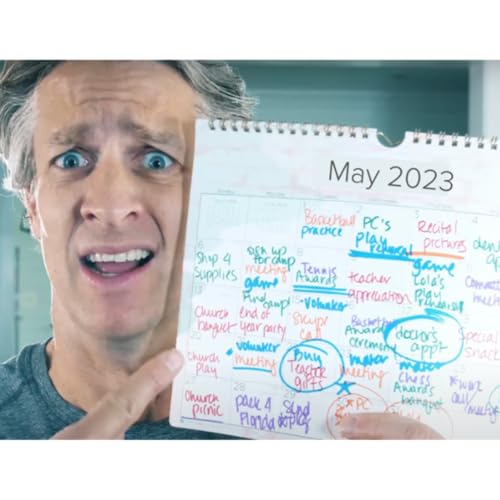
  • Surviving May Madness
    May 11 2026

    May Madness: Surviving End-of-Year Overwhelm for Special Needs Families

    Aleia Mastroianni and DCSEAC board members Kelly Mayr and Courtney Nangle discuss why May feels especially overwhelming for families raising children with disabilities, describing end-of-year scheduling crushes (testing, concerts, prom, graduations), IEP renewals, and teacher appreciation pressures compounded by social media expectations and the many staff and providers supporting IEP students. They note student and parent burnout can trigger increased behaviors, school refusal, and dysregulation, and that planning summer activities can add stress for autistic, anxious, or OCD-affected kids. The group emphasizes transition uncertainty and recommends requesting transition meetings, visiting new schools, and starting planning early. Coping strategies include tailoring support to each child, giving parents grace (simpler meals, more screen time), limiting overbooking, communicating “it’s okay,” leaning on other parents, and acknowledging summer can be difficult due to loss of structure and fears of regression.

    00:00 May Madness Begins

    01:13 Why May Feels Unbearable

    03:07 Kids Burnout And Behaviors

    05:49 Teacher Gifts And Pressure

    08:20 Transition Season And IEPs

    11:19 Making Transition Meetings Work

    15:19 May Survival Tips

    19:00 Summer Stress And Regression

    22:51 You Are Not Alone

    The iconic Holderness Family Music video about "Maycember"

    https://youtu.be/S8_IszUUAkw?si=XyINGdGfcruIXWiZ

    Show More Show Less
    25 mins
  • Special Olympics: More than Sports, A Lifetime of Community
    Apr 20 2026

    Special Olympics & Unified Champion Schools: Building Belonging From Preschool Through Adulthood Host Aleia Mastroianni talks with Maricela Shukie, Senior Director of Unified Champion Schools at Special Olympics Colorado, about how Special Olympics provides lifelong opportunities for people with intellectual and developmental disabilities through sports, leadership, inclusive school programs, and community. They explain the difference between traditional Special Olympics and Unified, where athletes and typically developing partners participate together in activities such as Unified sports, PE, cheer, theatre, eSports, student government, and inclusive events like prom. The conversation covers seasons, accommodations for varying needs, common barriers (misconceptions about age or ability, fear, location, paperwork), and the Athlete Oath. They outline how to sign up through schools or Special Olympics Colorado, note the program is free, discuss health screenings and volunteering, and describe post-school options including college programs, athlete leadership, and roles like coaching or employment within Special Olympics.

    00:00 Welcome and Topic Setup

    01:32 What Special Olympics Is

    02:43 Beyond Sports Community and Leadership

    05:02 Unified Programs in Schools

    06:26 Unified vs Special Olympics Explained 09:12 Inclusion Culture and Kindness Campaigns

    10:36 Starting Unified at Your School

    14:08 Who Can Participate and Team Format

    16:47 Athlete Oath and Season Basics

    18:04 All Abilities and How to Sign Up 19:57 Signing Up Basics

    20:15 Free Programs And Health

    21:06 Emails Deadlines And Perks

    21:40 Parents Volunteering Options

    22:48 Lifetime Community Inclusion

    23:52 Siblings Unified And Youth

    25:28 Adult Programs After School

    28:59 Forever Peers And Support

    32:34 Common Barriers And Myths

    35:39 Paperwork Made Easier

    37:10 Final Thanks And Takeaways

    Special Olympic Colorado Website:

    https://specialolympicsco.org/

    Special Olympics Registration Page:

    https://specialolympicsco.org/getinvolved/becomeanathlete/applicationresources/

    Show More Show Less
    41 mins
  • Understanding Twice Exceptionality (2E)
    Apr 13 2026

    Special Ed, IEPs, 504s, Oh My! – Conversations with DCSEAC

    • Episode: Understanding Twice Exceptionality (2E)

    Guests: Natasha Strayer – Director of Advanced Academics and Gifted Programming, Douglas County School District, Steven Whited – Special Education Coordinator, Chaparral Feeder, Douglas County School District, Aleia – Parent advocate and DCSEAC co-host

    Episode Summary: In this episode, host Meredith sits down with two district experts and a parent advocate to unpack twice exceptionality (2E) —

    Topics Covered:

    • What "twice exceptional" (2E) means in Colorado — formal identification requires both gifted services (ECEA) AND special education services (IDEA) or a 504 plan
    • The concept of masking — how gifted students hide struggles (and vice versa), both intentionally and unintentionally
    • Signs parents can look for at home: big splits between school and home behavior, exhaustion after school, high perfectionism, difficulty transferring verbal understanding to written work
    • How to start the referral conversation — begin with the classroom teacher, gifted education facilitator, or special education provider
    • IEP vs. 504 vs. Advanced Learning Plan (ALP) — what each plan does and why they must be aligned (not merged) for 2E students
    • Asynchronous development — a characteristic of many gifted learners, but extreme asynchrony warrants a closer look for potential 2E identification
    • Behavior and general ed teachers
    • Professional development in DCSD: "Understanding the Twice Exceptional Learner" (8-hour course), shorter specialized PD sessions, and partnerships with national experts like Emily Kutcher Morris
    • Student self-advocacy — students are invited into IEP and ALP conversations to understand their own learning profiles
    • Multilingual learners who are also 2E — the importance of ELD collaboration and cultural awareness

    Key Takeaways for Parents:

    1. You can initiate a 2E conversation through either the special ed team OR the gifted education facilitator — both are appropriate entry points.
    2. Every school in DCSD has a trained gifted education facilitator — reach out to them anytime.
    3. Ask for the gifted ed facilitator to be included in IEP meetings, even if your child isn't yet identified as gifted.
    4. Plans (IEP, 504, ALP) are separate but should be aligned — advocate for collaborative meetings with all parties at the table.
    5. Exhaustion, emotional dysregulation at home, and a mismatch between verbal and written output are key signs to watch for.

    Resources Mentioned:

    • Douglas County School District Advanced Academics & Gifted Programming
    • Exceptional Children's Educational Act (ECEA) – Colorado
    • IDEA (Individuals with Disabilities Education Act)
    • Section 504 of the Rehabilitation Act
    • Emily Kutcher Morris – neurodiverse affirming schools

    Connect with DCSEAC:

    • 🌐 Website: dcseac.org
    • 📧 Email: info@dcseac.org
    • 📱 Social media: search DCSEAC
    Show More Show Less
    45 mins
  • Unlocking Disability Support: A Conversation with Developmental Pathways
    Apr 6 2026

    Developmental Pathways Explained: Medicaid Waivers, Disability Determination & Community Supports (DCSEAC Podcast) Host Aleia Mastroianni interviews Rachel Walker of Developmental Pathways, the case management agency for Arapahoe, Douglas, and Elbert Counties that helps families access early intervention, long-term care Medicaid services and waivers, and locally funded IDD supports across the lifespan. They explain when to reach out (anytime), how intake works (phone or faster online form), and why the process is lengthy but worth it for lifetime services beyond school. Rachel clarifies Colorado’s disability determination at age five, long-term care Medicaid eligibility based on the individual’s income, and options like ABLE accounts and special needs trusts. They overview the three pediatric waivers—Complex Health Needs (CHIN), CHRP for high behavioral needs and risk of out-of-home placement (now expanded to serious emotional disturbances), and CES requiring near 24/7 line-of-sight supervision—plus the new Community First Choice program (July 2025) offering attendant-based supports without a waiver. They also highlight Resource Coordination and the Family Support Services Program, and encourage families to start and stay engaged.

    00:00 Welcome and Topic

    00:40 Meet Developmental Pathways

    05:29 When to Reach Out

    08:36 Planning for the Future

    10:18 Disability Determination

    15:38 Pediatric Waivers Overview

    22:28 Community First Choice

    26:06 Other Funding Programs

    28:13 Overwhelm and Encouragement

    32:12 First Steps to Start

    34:06 Closing and Takeaways

    Developmental Pathways Website

    https://www.dpcolo.org/

    Developmental Pathways Online Intake Form

    https://app.smartsheet.com/b/form/234b31539c3740eb95935995e6d59fe1

    Policy Pulse - DP Blog

    https://www.dpcolo.org/category/developmental-pathways-news/

    Show More Show Less
    35 mins
  • OT (Occupational Therapy): Beyond the Handwriting
    Mar 30 2026

    pisode: OT Beyond the Handwriting Special Ed IEPs, 504s & Conversations with DCSEAC

    Guest: Patty Kreinbrink, Occupational Therapist Lead, Douglas County School District

    Episode Summary: Host Meredith sits down with Patty Kreinbrink, the OT Lead for Douglas County Schools, to pull back the curtain on what school-based occupational therapy really is — and isn't. From sensory processing and core strength to the difference between school OT and private clinic OT, this episode is packed with insights for parents navigating IEPs and 504 plans.

    Topics Covered:

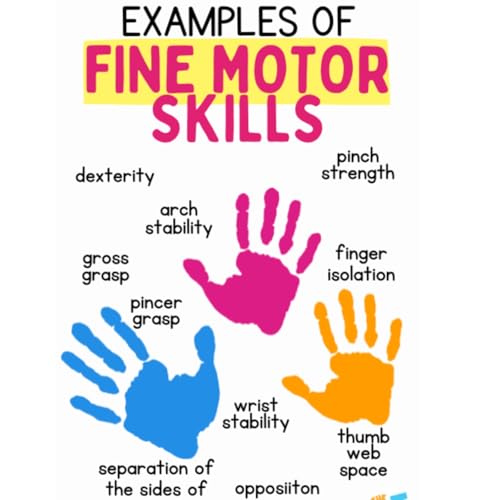
    • What OT actually does in schools beyond handwriting
    • How core strength connects to writing skills
    • Sensory processing vs. misbehavior — how OTs tell the difference
    • Proactive vs. reactive use of sensory tools
    • School-based OT vs. private/clinic OT: key differences
    • Collaborative goal writing and why it changed
    • Shoe tying, life skills, and SSN students
    • What "educationally necessary" actually means
    • OT in an IEP vs. OT in a 504 plan
    • The CERT tool: how Douglas County ensures consistent, individualized services
    • What language to use at an IEP meeting if you're concerned about fine motor or sensory needs
    • Assistive technology and neuroplasticity — why early intervention matters
    • Simple at-home activities to support OT goals

    At-Home OT Tips from Patty:

    • Let kids open containers, carry backpacks, and do chores
    • Stir resistive textures (pudding, bread dough) to build bilateral skills
    • Play games or color lying on the belly propped on forearms
    • Do activities vertically (on a wall or easel) to build shoulder and wrist strength
    • Break crayons into small pieces to promote a functional grasp
    • Use squirt bottles, tongs, and tweezers for fine motor play

    Connect with DCSEAC:

    • Website: DCSEAC.org
    • Email: info@dcseac.org
    • Social media: search DCSEAC

    Enjoyed this episode? Please like, share, and follow — and tell other parents about the show!

    Show More Show Less
    28 mins
  • Ask DCSEAC: Your Special Education Questions Answered
    Mar 23 2026

    First Crossover Q&A: Autism Team Access, IEP vs 504, ADHD After School, and Finding Community Aleia Mastroianni and Meredith host their first crossover Q&A for “SpecialEd, IEPs, 504s, Oh my,” answering listener and event-submitted questions. They explain how to request DCSD autism or behavioral team consultation through the school (escalating to coordinators/directors if needed) and note team leads Jennifer Tilley and Keith Souza. They cover center-based CPI training, how AN (Affective Needs) programs may serve a mixed population including some students with moderate ASD and the need for individualized supports, and clarify IEPs (specialized instruction with measurable goals under 13 disability categories) versus 504s (access accommodations, including support for medical/mental-health absences). They discuss after-school ADHD rebound strategies (medication boosters, structure, co-regulation, therapies), DCSEAC support group shifts and planned community nights, parent roles in IEP goal-setting and amending goals, and confirm out-of-district students can still join Unified Sports at their homeschool. Two future episodes will address ODD and care resources over school breaks.

    00:00 Crossover Q&A Kickoff

    01:08 Autism Team Contact

    04:20 Center Staff Training

    04:55 AN Program and ASD

    08:15 IEP vs 504 Explained

    11:48 After School ADHD Support

    17:39 Finding Parent Community

    24:50 IEP Advocacy and Goals

    33:13 Unified Sports Access

    34:49 Wrap Up and Next Episodes

    Link to Special Education Coordinators

    https://www.dcsdk12.org/about/departments/special-education/directors-coordinators

    Link to IEP Episodes

    https://rss.com/podcasts/specialed-ieps-504s-oh-my-conversations-with-dcseac/2317095/

    Link to AN Support Group Information

    https://www.dcseac.org/an

    Link to Effective Flow of Communication Chart

    https://docs.google.com/document/d/1xXLQo00Qd0gMlHyyiPMpNlfyQGNNNS1iWOaViXnJ5Ho/edit?tab=t.0

    Show More Show Less
    37 mins