• Spilling the Tea on HR Tech - The AI divide: Why 80% of leaders embrace AI compared to only 27% of individual contributors and how to close the gap.
    Jan 8 2026
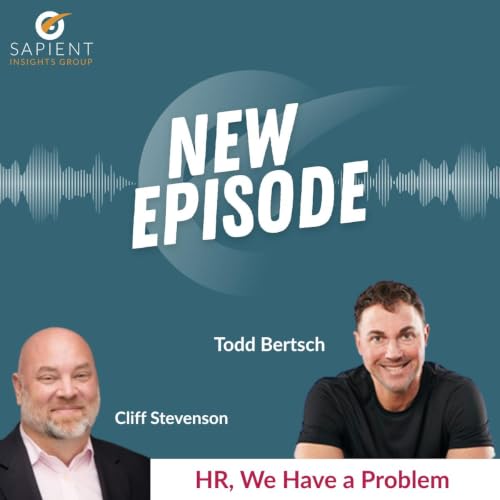
    In this episode of Spilling the Tea on HR Tech, Stacey Harris and Cliff Stevenson discuss acquisition activity across global payroll and identity security markets, highlighting how services and compliance expertise are driving these deals. They analyze new research showing that executives use AI at nearly double the use rate of frontline employees and highlight why these gaps affect adoption strategies. The conversation includes workforce planning insights from Sapient's collaboration with Anaplan, the SHRM discrimination lawsuit verdict, and regulatory changes affecting AI and workplace equity programs. Key points covered include: ↪️ UKG's acquisition of Inova Payroll expands managed services for frontline workers, while ServiceNow's $1 billion purchase of Veza positions the company in the growing battle over identity security and access control. Other companies making or finalizing acquisitions include European companies Sajid and SDWorks and Findem, which sells an AI talent platform.. ↪️ Research from both Dayforce and Sapient Insights confirms a big gap in AI use; while 80 to 87% of executives are using AI tools, just 27to 41% of individual contributors are using them. The hosts discuss what this means for successful implementations. ↪️ Team and Time, a new offering out of UKG Labs, is designed to especially meet the sophisticated and complex scheduling requirements for healthcare workforces. The platform reflects an overall market need for advanced time and attendance solutions for diversely skilled workforces. ↪️ In other news: The jury verdict awarding $11.5 million in the SHRM discrimination lawsuit raises questions about organizational culture and compensation structures. In the 10 years since Gravity Payments implemented a $70,000 (now $80,000) minimum wage for all employees, the company is reporting 650% of revenue growth. The hosts reference two new complimentary resources for audiences: a just-published white paper, “From Headcount to High Impact,” that discusses how C-suite leaders can use workforce planning for strategic, long-term planning (https://www.anaplan.com/resources/research-report/sapient-c-suite-guide-to-using-workforce-planning/#); and an ADP-hosted webinar, “HR + IT: Empowering Data Integration in the Age of AI,” with IT analyst Tim Crawford and Shivang Patel, ADP chief product officer, on ways to resolve data integration challenges and how generative and agentic AI can support business transformation and differentiation (https://event.on24.com/wcc/r/5113285/55BFAEF63EFBA62A329A708BCAC81A52). Don’t miss this exciting thought leader conversation! Follow the hosts and companies mentioned below: Sapient Insights Group Download the 2024-25 HR Systems Survey White Paper Instagram | Twitter | LinkedIn Stacey Harris Instagram | Twitter | LinkedIn Cliff Stevenson Twitter | LinkedIn
    Show More Show Less
    1 hr and 6 mins
  • Back by Demand: HR, We Have a Problem - Why leadership and culture are inseparable forces that drive sustainable business results and how adaptive organizations build psychological safety to thrive through change.
    Jan 1 2026
    In this fan-favorite episode of HR, We Have a Problem, Teri Zipper along with Susan Richards and guests Tee Thorsen, LAITHOS Co-Founder and Managing Partner, and Mary Ellen Clagett, LAITHOS Leadership Catalyst and Co-Founder, discuss how leadership and organizational culture function as inseparable forces that determine business outcomes. The conversation addresses why 60% of employees still hide their authentic selves at work and how this disconnect undermines sustainable results. They explore the elements that make culture "adaptive" - including psychological safety, learning mindsets, and the ability to balance stability with flexibility - while providing practical frameworks for building trust and leading change effectively. They also introduce a trust equation that helps leaders assess their own trustworthiness and communication impact. Key points covered include: ↪️Organizations can have the best strategy, but without a supportive culture that embraces change, it's like running new software on outdated hardware - results will be limited and unsustainable. ↪️ Trustworthiness is measured by (Credibility + Reliability + Intimacy) ÷ Self-Orientation, where leaders must demonstrate expertise, follow through on commitments, and create emotional safety while keeping personal agendas in check. ↪️Leaders must adapt their communication style for different audiences - teams, peers, boards, stakeholders - while maintaining authenticity, and must recognize that effective communication includes listening as much as speaking. ↪️Leading change requires radical honesty about impacts, including job eliminations, so employees can make informed decisions, and success depends on engaging both formal leaders and informal influencers throughout the organization. Don’t miss this exciting thought leader conversation! Follow the hosts and companies mentioned below: Sapient Insights Group Download the 2024-25 HR Systems Survey White Paper Instagram | Twitter | LinkedIn Teri Zipper Instagram | Twitter | LinkedIn Susan Richards LinkedIn Tracey (Tee) Thorsen LinkedIn Mary Ellen Clagett LinkedIn
    Show More Show Less
    52 mins
  • Back by Demand: Spilling the Tea on HR Tech - What 28 years of HR tech research reveals about the shift from siloed systems to workforce ecosystems.
    Dec 25 2025
    In this fan-favorite episode of Spilling the Tea on HR Tech initially posted after the HR Tech conference, Susan Richards, Teri Zipper, and Cliff Stevenson explore the disconnect between AI availability and actual adoption, revealing that 90% of professionals still don't use AI tools at work despite consumer-level familiarity. They discuss why major learning platform vendors were absent from the HR Tech conference floor even as spending data shows learning as a top investment category. The episode explores how HR technology is evolving into workforce technology as vendors integrate HR, finance, and IT capabilities into single platforms. Key points covered include: ↪️ Survey data reveals overall HR tech spending continues to decline with the exception of learning technology, yet several major learning vendors were notably absent from this year's HR Tech conference floor. ↪️ Organizations have acquired AI technology but face adoption barriers rooted in change management; while employees are showing measured excitement, they can be overwhelmed by implementation issues. ↪️ The boundaries between HR, finance, and IT are dissolving as vendors like Rippling and HiBob acquire capabilities across functions, pointing toward workforce technology ecosystems rather than siloed HR systems. ↪️ The most successful AI applications in HR remain low-risk tasks such as writing job descriptions; higher-stakes uses such as the creation of skills taxonomies require human oversight at multiple checkpoints. Don’t miss this exciting thought leader conversation! Follow the hosts and companies mentioned below: Sapient Insights Group Download the 2024-25 HR Systems Survey White Paper Instagram | Twitter | LinkedIn Teri Zipper Instagram | Twitter | LinkedIn Cliff Stevenson Twitter | LinkedIn Susan Richards LinkedIn
    Show More Show Less
    34 mins
  • HR, We Have a Problem - Why clarity and belonging drive employee retention while benefits and perks fall short in modern workplaces.
    Dec 18 2025
    In this episode of HR, We Have a Problem, Teri Zipper and guest David Noe, HR Manager with Payroll Partners and host of the SpeakEasy HR podcast, discuss the often-overlooked elements of employee experience that directly impact retention. The conversation examines why clarity and belonging can matter more than perks, how technology platforms can make or break trust, and why treating employee relationships as timelines instead of human connections creates retention problems. Key points covered include: ↪️ Employee experience gaps often stem from poor clarity and lack of belonging rather than insufficient benefits or perks. Small moments of recognition and genuine check-ins drive retention more than assumed cultural strengths. ↪️ Systems like payroll platforms directly affect trust levels within organizations. When basic functions fail, employees lose confidence in leadership regardless of other positive workplace factors. ↪️ Culture requires active maintenance through discipline, not accident. Leaders must establish clear non-negotiable values, implement simple reinforcement systems, and provide leadership development at every level to scale effectively. ↪️ Communication quality matters more than volume. Leaders need to explain the “why” behind decisions and use multiple channels to reach different employees rather than relying on single methods or assuming AI will solve communication problems. Don’t miss this exciting thought leader conversation! Follow the hosts and companies mentioned below: Sapient Insights Group Download the 2024-25 HR Systems Survey White Paper Instagram | Twitter | LinkedIn Teri Zipper Instagram | Twitter | LinkedIn David Noe LinkedIn Payroll Partners, Inc LinkedIn
    Show More Show Less
    47 mins
  • Spilling the Tea on HR Tech - Why connector infrastructure and the AI training gap are blocking AI agent adoption and what Workday's acquisition strategy reveals about fixing both problems.
    Dec 11 2025
    In this episode of Spilling the Tea on HR Tech, Stacey Harris and Cliff Stevenson discuss Workday's acquisition of Pipedream and what Model Context Protocol (MCP) servers mean for HR technology integration and AI agent security. The conversation covers everything from EU pay equity reporting requirements to why only 12% of employees feel they receive adequate AI training. Major industry moves include Zoom's acquisition of BrightHire, UKG's new leadership additions, and why Lattice is exiting the payroll business after a brief attempt. Key points covered include: ↪️ Workday acquired Pipedream, an MCP server platform with 3,000+ pre-built connections, to enable faster AI agent integration after determining internal development would take over a year. ↪️EU pay equity regulations require immediate reporting capability where employees can request detailed comparative pay data within their organization, with compliance fines starting for organizations more than 5% out of alignment. ↪️ Only 12% of employees report receiving adequate AI training, while 64% of organizations have no guidelines or policies in place for AI use, creating a critical gap between AI investment and effective adoption. ↪️ Major market activity includes Zoom acquiring BrightHire for AI-powered recruiting, Sage acquiring Criterion for cloud payroll expansion, and Lattice exiting the HRS and payroll business after recognizing the maintenance and compliance complexity. Don’t miss this exciting thought leader conversation! Follow the hosts and companies mentioned below: Sapient Insights Group Download the 2024-25 HR Systems Survey White Paper Instagram | Twitter | LinkedIn Stacey Harris Instagram | Twitter | LinkedIn Cliff Stevenson Twitter | LinkedIn
    Show More Show Less
    1 hr and 17 mins
  • HR, We Have a Problem - Why implementation partners matter more than the software itself and how to choose the right one for your HR tech project.
    Dec 4 2025
    In this episode of HR, We Have a Problem, Teri Zipper and guest Bonnie Tinder, Founder and CEO at Raven Intelligence, explore how too many HR tech projects fail not because of the software itself, but because of poor implementation planning and partner selection. Bonnie shares how to evaluate system integrators, spot red flags during the selection process, and avoid the scope creep that derails projects. The conversation covers practical strategies for preparing your organization, managing change, and setting up projects for success from day one. Key points covered include: ↪️ Great software means nothing without proper implementation. Projects fail when organizations treat implementations as simple software installations rather than business transformations that require process re-engineering. ↪️ Evaluate multiple implementation partners independently rather than accepting your software vendor's recommendation, checking customer reviews for recent projects in your industry and examining patterns around change orders and budget overruns. ↪️ Start with clear business objectives and success metrics, then work backwards to build your project plan. This clarity helps you communicate effectively with partners and resist scope creep that accumulates. ↪️ Be transparent about organizational challenges and outdated processes from the start, because what you hide in the closet will surface during implementation when you're paying consulting rates to address problems you could have resolved earlier. Don’t miss this exciting thought leader conversation! Follow the hosts and companies mentioned below: Sapient Insights Group Download the 2024-25 HR Systems Survey White Paper Instagram | Twitter | LinkedIn Teri Zipper Instagram | Twitter | LinkedIn Bonnie Tinder LinkedIn Raven Intelligence LinkedIn
    Show More Show Less
    48 mins
  • Spilling the Tea on HR Tech - What 28 years of HR Tech research reveals about the shift from siloed systems to workforce technology.
    Nov 27 2025
    In this episode of Spilling the Tea on HR Tech, Susan Richards, Teri Zipper, and Cliff Stevenson, discuss how HR technology is shifting from functional systems to workforce tech that connects HR, IT, and finance. The conversation covers what's driving AI adoption beyond the hype, why learning platform vendors were notably absent from the show floor, and how companies are struggling to move from having AI tools to actually getting people to use them. They also explore the gap between executive expectations and organizational readiness, sharing examples from their research about what works when employees interact with technology. Key points covered include: ↪️ The biggest challenge with AI isn't the technology itself but change management and getting people past fear to adoption. Organizations report having the tech but struggle with helping employees see AI as a work partner rather than just another tool to learn. ↪️ HR technology is blending into workforce tech as vendors like Rippling combine HR and IT while HiBob acquired Mosaic to add finance capabilities. This reflects a shift away from siloed functions toward cross-functional teams focused on business outcomes. ↪️The research shows a disconnect between where organizations say they're investing (learning platforms ranked high for spending) and who showed up at the conference (major learning vendors were absent). Meanwhile, newer players like Rippling and HiBob expanded their presence significantly. ↪️ Companies using AI to write job descriptions while forbidding candidates from using AI on resumes highlights the confusion around AI adoption. The most successful implementations focus on specific use cases like anomaly detection and workflow improvements rather than wholesale process changes. Don’t miss this exciting thought leader conversation! Follow the hosts and companies mentioned below: Sapient Insights Group Download the 2024-25 HR Systems Survey White Paper Instagram | Twitter | LinkedIn Teri Zipper Instagram | Twitter | LinkedIn Cliff Stevenson Twitter | LinkedIn Susan Richards LinkedIn
    Show More Show Less
    34 mins
  • HR, We Have a Problem - How to use the AI already in your HR tech stack to solve real business problems and build workforce trust.
    Nov 20 2025
    In this episode of HR, We Have a Problem, Teri Zipper and guest Sofia Whelan, Managing Partner at HorizonHuman, explore how HR can lead during AI adoption. The conversation addresses the gap between AI hype and real-world application, focusing on workforce planning, transparency, and solving actual business problems. Key points covered include: ↪️ HR must lead workforce planning by identifying which tasks AI will handle and which roles require human skills, then invest in upskilling employees for work that only humans can do. ↪️ Start with AI already embedded in your HR technology stack rather than buying new tools - focus on solving specific business problems through user research and testing. ↪️ HR should remain the caretaker of the human workforce and organizational culture, working closely with the CTO rather than merging these roles into one position. ↪️ Build trust through transparency about job impacts and enable change at the team level where people can experiment with AI and share practical use cases. Don’t miss this exciting thought leader conversation! Follow the hosts and companies mentioned below: Sapient Insights Group Download the 2024-25 HR Systems Survey White Paper Instagram | Twitter | LinkedIn Teri Zipper Instagram | Twitter | LinkedIn Sofia Whelan Linkedin HorizonHuman Linkedin
    Show More Show Less
    42 mins