The Reading Symphony cover art

The Reading Symphony

The Reading Symphony

Written by: Katie Megrian
Listen for free

About this listen

Hosted by Katie Megrian — literacy leader, former principal, and mom of two young readers — The Reading Symphony brings the science of reading to life for parents, teachers, and school leaders who want clarity, not confusion. Each episode blends research-based insight with real-world strategies for helping children thrive in reading, writing, and comprehension.

From phonemic awareness and decoding to fluency, vocabulary, and background knowledge, Katie demystifies what great instruction looks like and how families can support it at home. You’ll hear from expert guests in literacy education, cognitive science, and classroom practice — along with relatable stories from parents navigating the journey right beside their kids.

Whether you’re an educator implementing the Science of Reading, a school leader designing literacy PD, or a parent decoding report cards and assessments, this podcast is your roadmap to evidence-based reading success.


Topics include:

  • How children learn to read and why some struggle
  • What to look for in a strong school literacy program
  • The truth about reading assessments and progress reports
  • Strategies to build fluency, vocabulary, and comprehension
  • The role of knowledge building and background knowledge
  • Advocacy tips for parents and educators
  • Inspiring stories from classrooms and homes that got reading right

    RSSVERIFY
© 2026 The Reading Symphony
Parenting Relationships
Episodes
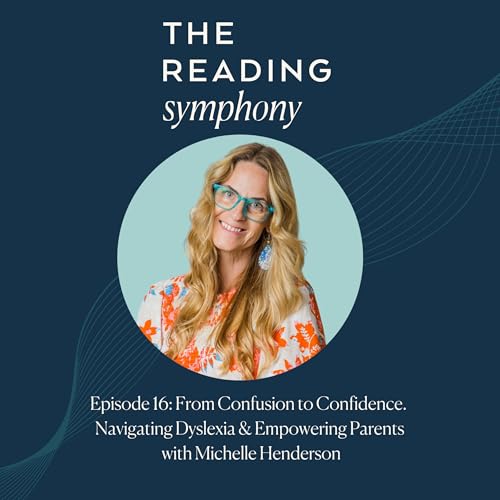
  • From Confusion to Confidence. Navigating Dyslexia & Empowering Parents with Michelle Henderson
    May 7 2026

    Katie Megrian hosts Michelle Henderson, a literacy and dyslexia specialist and creator of the Parent Blueprint, to discuss how reading develops and how parents can advocate for struggling readers. Michelle shares that her son’s reading struggles led her to study the science of reading and focus on equipping parents, noting many children fall through cracks due to gaps in training, not lack of care. They explain why “just read more at home” is insufficient, contrasting structured literacy (explicit, systematic, evidence-based) with balanced literacy, and connect NAEP results to the need for better instruction. Michelle outlines early dyslexia signs, stresses early action, and describes her $47 Parent Blueprint course and free parent-teacher conference guide at michellehendersonliteracy.com. They address older students whose grades mask deficits, the value of OG-style individualized intervention, graphic novels and movies for access and motivation, continuing read-alouds, and supporting children’s self-esteem and self-advocacy.

    00:00 Podcast Welcome

    00:30 Meet Michelle Henderson

    01:15 Why Advocacy Matters

    03:13 Reading Symphony Analogy

    04:43 Read Aloud Is Not Enough

    07:46 Basics of Reading Skills

    08:52 Structured Literacy Training

    10:09 Balanced Literacy Debate

    14:08 Why Dyslexia Name Matters

    19:19 Kindergarten Wake Up Call

    24:34 Early Signs of Dyslexia

    27:17 Parent Blueprint Course

    29:20 Tools Modules And PDFs

    32:16 Pricing Giveaway And Free Guide

    33:40 Teen Dyslexia Hidden Struggles

    37:43 Orton Gillingham For Older Readers

    43:20 Movies Graphic Novels And Joy

    46:51 Read Alouds And Audio Access

    49:55 Handling Discouragement And Hope

    51:29 Final Thanks And Podcast Outro

    Michelle's Website

    Michelle's course

    Show More Show Less
    54 mins
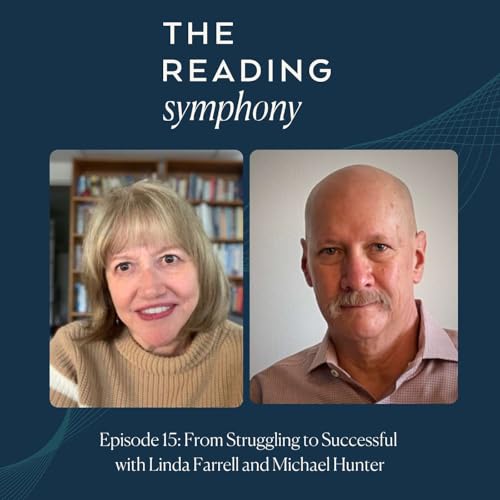
  • Episode 15: From Struggling to Successful: Teaching Reading with Linda Farrell and Michael Hunter
    Apr 1 2026

    Linda Farrell and Michael Hunter are founding partners at Readsters in Alexandria, VA. They work in schools all over the country to help educators provide assessment and instruction that ensures all students learn to read.

    Teachers tell Linda and Michael that they appreciate the practicality of their consulting and their presentations. The reason they can provide practical solutions for helping struggling readers is that they have taught struggling readers from ages 4½ to 81 to read. They also learn from the hundreds of teachers they have worked with in the classroom who work their magic every day with students.

    Linda and Michael have presented workshops about effective instruction for beginning and struggling readers for more than 20 years. They participated in reviewing required early reading courses in all colleges and universities in two states. They have coauthored curricula for struggling readers and diagnostic assessments to pinpoint decoding difficulties. Linda is the instructor in Looking at Reading Interventions on the Reading Rockets website. Michael is featured in videos used to demonstrate effective teaching techniques in LETRS modules.

    Episode Summary

    Katie sits down with two titans of literacy intervention — Michael Hunter and Linda Farrell — whose unconventional paths from investment banking and concrete construction led them to become nationally recognized reading specialists. Together, they unpack the most common reasons children struggle to read, how to identify exactly where a student is stuck, and the powerful (and often overlooked) practice strategies that make the difference between a child who can read and a child who reads fluently and automatically.

    https://www.readsters.com/

    https://www.decodingdyslexia.net/

    Show More Show Less
    29 mins
  • Episode 14: Babies, Books, and Brilliance with Salley King Edwards
    Mar 24 2026

    🎧 Episode Summary

    In this episode of the Reading Symphony Podcast, I sit down with early childhood educator Salley King Edwards, whose 25+ year career spans classrooms, coaching, and national literacy work through Cox Campus.

    We explore how language, knowledge, and everyday interactions lay the foundation for reading long before formal instruction begins.

    Salley shares her personal journey as both an educator and a parent navigating reading challenges, including the early signs she noticed, what she missed, and what she wishes more families understood.

    This conversation is both deeply practical and incredibly reassuring: reading development doesn’t start in kindergarten—it starts from birth. And there is so much families can do, in simple and meaningful ways, to support it.

    🔗 Resources Mentioned

    • Cox Campus (free courses for families and educators)
    • Brilliance of Babies (Salley’s book series and resources)
    • "How Knowledge Helps" (Willingham)
    Show More Show Less
    24 mins
adbl_web_anon_alc_button_suppression_c
No reviews yet