• Exposing How Big Brands Fake "Pasture Raised" Eggs - Patrick Samuels @Sunnyside | #114
    Apr 22 2026

    Patrick Samuels is the founder of Sunnyside Egg Co., a Kentucky-based regenerative egg operation built on mobile coops and Amish/Mennonite farming partnerships. A former US Army Special Forces officer with no agricultural background, Patrick stumbled into farming through pandemic-era homesteading, worked inside one of the largest pasture-raised egg brands, and launched Sunnyside in December 2024 to scale what he calls the only truly regenerative egg operation in the country.

    5 Key Topics

    1. The pasture-raised label scam
    2. Mobile coops as the real standard
    3. Scaling regen without selling out
    4. The corn/soy-free feed debate
    5. Transparency over certification

    Timestamps

    [00:00] Intro & egg price controversy

    [01:30] Patrick's military-to-farming path

    [04:00] Inside a "pasture-raised" barn

    [07:00] Why certifiers are grifters

    [11:00] The Vital Farms breakdown

    [18:00] Retail vs. decentralisation debate

    [27:00] Corn & soy-free feed complexity

    [37:00] Regenerative certification loopholes

    [44:00] Sunnyside's growth timeline

    [01:01:00] On-farm operations & rotation

    Links

    Website

    Instagram

    Show More Show Less
    1 hr and 8 mins
  • Struggle Is What Makes Us | Brad Wiley
    Apr 15 2026

    Brad Wiley's family has farmed the same land since 1790. In this episode on our Farmer Stories series, he share shis wonder at the invisible web beneath his fields - and what it means to carry 200 years of family memory on a single piece of ground.

    Farmer Stories pulls the best conversations from The Regenaissance archive - real voices from American farmers on the systems, economics, and communities shaping food and land in the US.


    Timestamps

    • 00:00 — The biological web that makes Tesla look simple
    • 01:00 — Locust trees feeding cover crops across an entire field
    • 03:30 — Cover crops and grazing replace the lime truck
    • 05:30 — The moment Brad walked away from $30k in cash rent
    • 07:30 — The manure spreader sinks into dead soybean soil
    • 11:00 — 200 years of family memory on one piece of ground
    • 22:30 — Life is designed to be a struggle

    Link to the full episode:
    Spotify
    Apple
    YouTube


    Connect with Brad:
    Otter Creek Farm

    Follow the tour on YouTube

    Show More Show Less
    24 mins
  • We Need To Copy Oklahoma | Joel Hollingsworth
    Apr 8 2026

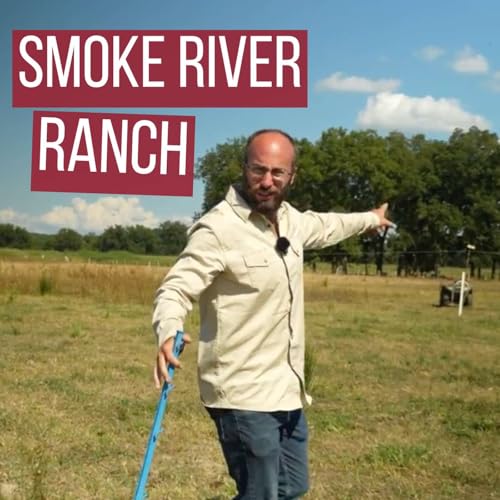
    Joel Hollingsworth runs Smoke River Ranch in northeast Oklahoma. This conversation from our Farmer Stories Series talks about why Joel believes we need to keep manufcaturing in America & why Oklahoma's culture of self-governance is a cultural model the country can build around.

    Farmer Stories pulls the best conversations from The Regenaissance archive - real voices from American farmers on the systems, economics, and communities shaping food and land in the US.

    Timestamps

    • 0:00 — Why build in America, not abroad
    • 1:30 — The federalist structure and America's creation story
    • 4:00 — Oklahoma's culture of self-governance
    • 6:30 — Regen ag as a churn factory
    • 7:30 — Triffin dilemma and hollowing out of domestic production
    • 9:00 — How crop insurance locks out new farmers
    • 11:00 — Foreign cattle and the 30% currency gap
    • 12:30 — Land as money, not farmland
    • 14:00 — Farm credit weaponized (Dustin Kittle story)
    • 15:30 — Average rancher age 58.5
    • 17:00 — What rural collapse looks like
    • 18:30 — Sovereign debt and centralizing risk

    Links:

    Full podcast episode:
    - YouTube
    - Spotify
    - Apple

    Connect with Joel:
    - Smoke River Ranch Website
    - X

    Show More Show Less
    19 mins
  • Touring A USDA-Inspected On-Farm Processing Facility - How Farms Are Treated Differently Based On Size (live Farm Tour) - Gunthorp Farms | #113
    Apr 1 2026

    Gunthorp Farms is a 3rd generation pork and poultry operation in northern Indiana with on-farm USDA-inspected processing. This tour covers the full farm from farrowing paddocks to kill floor, smokehouse, and wastewater treatment. Watch alongside the full podcast episode for the full story.

    Key Topics

    • Adaptive multi-paddock grazing in practice
    • 50-paddock farrowing system and piglet management
    • Building and running a USDA-inspected on-farm processing facility
    • USDA enforcement: how small and large plants are treated differently
    • Constructed wetland wastewater treatment

    What You'll Learn

    • How paddock size and recovery time shift by season
    • What to ask when you visit a pig farm
    • What it costs to build on-farm processing and where permitting breaks down
    • How HACCP regulation actually gives small plants flexibility if you understand it
    • Why scale changes food safety risk in ways inspection policy doesn't reflect


    Connect w Greg & Gunthorp Farms

    Website
    X
    Instagram
    Linkedin

    Full podcast interview
    Follow the tour on YouTube

    Timestamps

    00:00:00 Adaptive multi-paddock grazing explained
    00:03:00 Pig health, thermoregulation, and antibiotic-free management
    00:05:00 What consumers should ask when visiting a pig farm
    00:15:00 Energy-free waterers and farrowing paddock design
    00:27:00 Kill floor overview and processing plant history
    00:36:00 Permitting, wastewater, and navigating USDA regulation
    00:45:00 Food safety: small vs large plant accountability
    00:51:00 USDA enforcement disparities and advocacy
    01:02:00 Packaging equipment walkthrough
    01:13:00 Smokehouse construction and constructed wetland wastewater system

    Show More Show Less
    1 hr and 26 mins
  • The Maude Family Ranch - Beef, Pork, and 115 Years of Tradition (Live Farm Tour) - Maude Hog & Cattle | #112
    Mar 25 2026

    Charles and Heather Maude are 5th generation ranchers in South Dakota running a direct-to-consumer beef and pork operation built on land their family has worked for over 115 years.

    This tour covers the full operation - cattle, hogs, grain storage, equipment, and the irrigated river bottom at the center of a federal land dispute that drew national attention.

    Watch this alongside the full-length podcast episode for the complete story behind what you're seeing on the ground.

    Key Topics

    • Direct-to-consumer beef and pork - how it actually works
    • Cattle finishing and feeder calf production
    • Farrowing crates - the honest case for and against
    • Why feed quality determines meat quality in hogs
    • Grain storage, forage systems, and matching stocking rate to grass
    • The disputed river bottom and the federal land dispute


    What You'll Learn

    • How a small ranch runs multiple livestock enterprises on limited acres
    • Why weaning date is a range management decision, not just an animal one
    • What farrowing crates are actually for and why a skeptic changed her mind
    • How monogastric and ruminant digestion produce fundamentally different meat
    • What 115 years of private land management looks like - and what happens when it's challenged
    • Why boundary disputes in the rural West are common, and criminal indictments are not


    Connect with Charles & Heather

    Website
    Instagram
    Facebook


    Timestamps

    00:00:00 — Introduction and context
    00:02:00 — Cattle paddock: finished beef and this year's steer calves
    00:04:00 — Weaning early — a drought and range management decision
    00:06:00 — Grain bins: what they store and how they work
    00:08:00 — Farrowing facility: why the crates exist
    00:13:00 — Hog nutrition: simple stomach vs. ruminant digestion
    00:15:00 — Pasture-raised pork: why quality and finish time differ
    00:18:00 — Legacy equipment: grandfather's tractors and the 1948 truck
    00:24:00 — The fence line: terrain, flooding, and where fences actually go
    00:25:00 — The Forest Service dispute begins
    00:27:00 — No written violation, no due process, criminal charges
    00:28:00 — Working toward resolution: the Small Tracks Act
    00:30:00 — Secretary Rollins, the temporary use agreement, and what changed
    00:33:00 — The survey stakes, the crop damage, and the escalation
    00:37:00 — What the land trade proposal was and why it was rejected
    00:39:00 — What this case means for ranchers and private landowners
    00:41:00 — Final reflections

    Show More Show Less
    41 mins
  • Zombie Apocalypse Cows and the Future of American Ranching (Live Farm Tour) - Smoke River Ranch | #111
    Mar 18 2026

    Joel Hollingsowrth has spent years doing something most people wouldn't dare try - building a regenerative cattle ranch from scratch, with no money, no inherited land, and no roadmap. And yet, it has become one of the pioneering regenerative farms in the nation.

    Joel is joined by David, who left an Ivy League PhD program to ranch in rural Mexico before landing here, and Daniel, the herd manager responsible for translating Joel's system into daily practice.

    Together they walk us through mob grazing at extreme stocking densities, a heritage genetics breeding program built for a world without antibiotics, virtual fencing technology, and a community ownership model designed to solve the financing problem that stops most regenerative farmers before they start.

    This is a conversation about what it really takes (the stubbornness, the financial creativity, the ecological thinking, and the human community) to build something lasting and that works.

    KEY TOPICS

    • Ultra-high-density mob grazing and how it mimics bison impact to restore soil and seed banks
    • Heritage breed genetics (Piney Woods, composite bulls) and building "zombie apocalypse" cattle
    • Virtual fencing technology and its potential to transform daily ranch labour
    • The herd share financial model and how community capital makes regenerative ranching viable
    • Reviving rural community through food sovereignty, nutrient density, and local economic energy

    WHAT YOU'LL LEARN

    1. Why stocking density, not just rotation, is the key lever in regenerative grazing
    2. How cows' hooves act as seed planters and why "weeds" like thistles are actually healing the soil
    3. What rumen fill and manure consistency tell a herd manager about animal health and forage quality
    4. Why cattle genetics matter as much as grazing method, and what "adapting to the system" looks like
    5. How Joel financed his ranch with no money down, and why the herd share model is a blueprint others could follow

    CONNECT WITH JOEL

    Smoke River Ranch Website
    X

    TIMESTAMPS

    00:00 – Welcome to Oklahoma: Joel, David & the Smoke River story

    08:00 – What's broken in rural America and what Smoke River is rebuilding

    12:00 – Fresh Rx Oklahoma: food as medicine and local supply chains

    15:00 – How Joel got started: a $1/year lease, no capital, and a Twitter DM

    19:00 – Virtual fencing: digital paddocks and 60 hours of saved labour per week

    21:00 – Heritage breeds: Piney Woods cows, composite bulls, and the genetics program

    25:00 – Mob grazing explained: why five moves a day and what stocking density actually means

    31:00 – Herd management with Daniel: rumen fill, manure scoring, and daily cattle metrics

    36:00 – Sick cow protocols and building a self-selecting genetics program

    45:00 – Weeds as healers: thistles, pioneer species, and soil succession


    Show More Show Less
    47 mins
  • Building a Regenerative Ranch Around Bison (Live Farm Tour) - TLC Ranch | #110
    Mar 11 2026

    Fascinating episode, touring a regenerative bison and pecan farm! A first for me.

    A bit about the ranch & tour...

    TLC ranch is located in Souther Oklahoma. It's ran by Cindy Sheffield (who tours us today) and her husband Tread and their two daughters and husbands, where they raise bison and manage a large organic pecan orchard. The ranch began in 1997 when the family purchased land that many others had passed on, seeing potential where others did not.

    What started as weekend trips for hunting and time outdoors gradually turned into a long-term commitment to steward the land. Over the years the family developed ponds, trails, and eventually planted thousands of pecan trees, which are now grown using organic and regenerative practices.

    More recently they fulfilled a long-standing goal of bringing bison back to the property. Today the ranch combines pecan production with bison grazing, reflecting the family’s focus on building a working farm that supports both the land and the people who depend on it.


    What we cover:

    • Starting a bison ranch after decades of owning land
    • Managing parasites and animal health on pasture
    • Rotational grazing and integrating chickens behind bison
    • The economics and risks of pecan farming
    • Floods, disease, and the unpredictable realities of agriculture


    Connect with the farm:
    Website
    Facebook
    Instagram

    Regenaissance Youtube Channel

    Timestamps:
    00:00:00 Regulations and differences between bison and cattle
    00:02:20 How TLC Ranch began and why the family chose bison
    00:03:40 Flooding, parasites, and losing animals in the herd
    00:05:00 Transitioning to rotational grazing for parasite control
    00:06:30 Plans to integrate meat chickens behind the bison
    00:08:00 How bison grazing behavior differs from cattle
    00:12:50 Handling bison and working animals through the chute system
    00:17:00 Field harvesting a bison and the reality of on-farm slaughter
    00:19:30 The challenge of finding truly clean food and produce
    00:24:00 Managing a pecan orchard and harvesting the crop
    00:27:00 Weather risks, floods, and the economics of farming
    00:29:00 Why consumers need to understand the realities farmers face

    Show More Show Less
    30 mins
  • Does Being Organic Matter? (Live Farm Tour) - Cable Family Farm | #109
    Mar 4 2026

    Caden and Patrick run Cable Family Farm in Piedmont, North Carolina, where they manage a small 80 bed no-till market garden along with pasture-raised eggs and chickens. Caden started the farm at 18, and then a few years later was able to convince Patrick to join him.

    Their main concern starting the farm was how would they make money? This tour shows how they produce their crops and animals in a healthy, sustainable way, along with their marketing and production approach to creating a viable small-scale farm production.

    It was fascinating and productive to hear from these young farmers how they approach farming, why their not organic, the systems they run to stay viable and efficient, and understanding why they chose this career path over everything else (hint, farming food can be incredibly meaningful).

    Key Topics

    • Building an 80 bed no-till market garden from grass
    • Tools and systems for small-scale vegetable farming
    • Pasture-raised eggs and chickens
    • Organic practices without certification
    • Economics and tradeoffs on small farms


    Connect with Caden & Patrick:

    Instagram
    Youtube
    Other links

    Timestamps

    00:00:00 Introduction to Cable Family Farm
    00:01:00 Building a no-till market garden
    00:06:00 Broadforking and minimal soil disturbance
    00:10:00 Weather risks and crop failures
    00:14:00 Time and cost of starting a garden
    00:19:00 Organic practices vs certification
    00:23:00 Simple greenhouse and seed starting
    00:27:00 Egg layers and rotational grazing
    00:32:00 Raising pasture-raised chickens
    00:35:00 Why chickens are healthier on pasture

    Show More Show Less
    37 mins