The VHS Strikes Back cover art

The VHS Strikes Back

The VHS Strikes Back

Written by: Whatever Entertainment
Listen for free

About this listen

Nostalgic movie review show hosted by Whatever Entertainment team, Dave and Chris. The guys go back in time to review some wonderful and truly awful movies from the days before streaming and even DVD's and had to go to the video store to pick up the latest entertainment. If you want to email the show please contact us on: thevhsstrikesback@gmail.comWhatever Entertainment Art
Episodes
  • Teenage Mutant Ninja Turtles II: The Secret of the Ooze (1991) | Peak TMNT Mania & 90s Nostalgia | VHSSB
    Jan 21 2026
    Teenage Mutant Ninja Turtles II: The Secret of the Ooze (1991) was chosen by Patreon supporter Gareth, and it represents a very deliberate shift in tone and approach from the original 1990 film. Following the massive commercial success of the first movie, New Line Cinema moved quickly to produce a sequel that would appeal more directly to younger audiences. This resulted in a noticeably lighter, more comedic production, with strict limitations placed on violence and darker elements after parental groups raised concerns about the original film’s intensity. Director Michael Pressman replaced Steve Barron, and the creative mandate was clear: brighter visuals, broader humor, and a more Saturday-morning-cartoon-friendly feel.The production once again relied on Jim Henson’s Creature Shop to bring the Turtles to life, though the suits were redesigned to allow for improved mobility and clearer facial expressions. Filming took place primarily in North Carolina, with large soundstage work used to accommodate more elaborate set pieces and controlled environments. The movie also leaned heavily into merchandising synergy, closely aligning its release with toy lines, tie-in products, and promotional partnerships. While critically divisive upon release, The Secret of the Ooze was a significant box-office success and stands as a textbook example of early-90s franchise filmmaking — where commercial considerations, brand management, and audience accessibility increasingly shaped creative decisions.If you enjoy the show and would like to support us, we have a Patreon ⁠⁠⁠here⁠⁠⁠.Referral links also help out the show if you were going to sign up:⁠⁠⁠NordVPN⁠⁠⁠⁠⁠⁠NordPass⁠⁠⁠Trailer Guy Plot SummaryHeroes in a half-shell… are back — and this time, things are about to get oozy.The Teenage Mutant Ninja Turtles return with bigger laughs, louder villains, and a mysterious new substance that could change everything. As old enemies resurface and new threats rise, the Turtles must band together, sharpen their skills, and fight to protect the city they call home.*Teenage Mutant Ninja Turtles II: The Secret of the Ooze* — powered up, totally radical, and ready to kick shell.Fun FactsTeenage Mutant Ninja Turtles II was released at the peak of TMNT mania, when the franchise dominated cartoons, toys, comics, and fast-food promotions worldwide.The film introduced new Turtle allies and villains that were created specifically to expand the movie universe rather than directly adapt comic storylines.Vanilla Ice’s song “Ninja Rap” was written exclusively for the movie and became a pop-culture time capsule of early-90s hip-hop crossover marketing.The movie was one of the highest-grossing independent films of 1991, despite receiving mixed critical reviews.Many of the film’s stunt performers were professional martial artists, including members of the Hong Kong stunt community.The Turtles’ signature weapons appear far less frequently than fans expected, becoming a frequent talking point among viewers.The Secret of the Ooze was heavily promoted through pizza-brand tie-ins, reinforcing the Turtles’ long-standing connection to pizza culture.Over time, the film has become a nostalgia favorite for fans who grew up during the early 1990s TMNT boom, often remembered as the “most quotable” entry in the original trilogy.⁠⁠⁠⁠⁠⁠⁠⁠⁠⁠⁠⁠⁠⁠⁠⁠⁠⁠⁠⁠⁠⁠⁠⁠⁠⁠⁠⁠⁠⁠⁠⁠⁠⁠⁠⁠⁠⁠⁠⁠⁠⁠⁠⁠⁠⁠⁠⁠⁠⁠⁠⁠⁠⁠⁠⁠⁠⁠⁠⁠⁠⁠⁠⁠⁠⁠⁠⁠⁠⁠⁠⁠⁠⁠⁠⁠⁠⁠⁠⁠⁠⁠⁠⁠⁠⁠⁠⁠⁠⁠⁠⁠⁠⁠⁠⁠⁠⁠⁠⁠⁠⁠⁠⁠⁠⁠⁠⁠⁠⁠⁠⁠thevhsstrikesback@gmail.com⁠⁠⁠⁠⁠⁠⁠⁠⁠⁠⁠⁠⁠⁠⁠⁠⁠⁠⁠⁠⁠⁠⁠⁠⁠⁠⁠⁠⁠⁠⁠⁠⁠⁠⁠⁠⁠⁠⁠⁠⁠⁠⁠⁠⁠⁠⁠⁠⁠⁠⁠⁠⁠⁠⁠⁠⁠⁠⁠⁠⁠⁠⁠⁠⁠⁠⁠⁠⁠⁠⁠⁠⁠⁠⁠⁠⁠⁠⁠⁠⁠⁠⁠⁠⁠⁠⁠⁠⁠⁠⁠⁠⁠⁠⁠⁠⁠⁠⁠⁠⁠⁠⁠⁠⁠⁠⁠⁠⁠⁠⁠⁠⁠⁠⁠⁠⁠⁠⁠⁠⁠⁠⁠⁠⁠⁠⁠⁠⁠⁠⁠⁠⁠⁠⁠⁠⁠⁠⁠⁠⁠⁠⁠⁠⁠⁠⁠⁠⁠⁠⁠⁠⁠⁠⁠⁠⁠⁠⁠⁠⁠⁠⁠⁠⁠⁠⁠⁠⁠⁠⁠⁠⁠⁠⁠⁠⁠⁠⁠⁠⁠⁠⁠⁠⁠⁠⁠⁠⁠⁠⁠⁠⁠⁠⁠⁠⁠⁠⁠⁠⁠⁠⁠⁠⁠⁠⁠⁠⁠⁠⁠⁠⁠⁠⁠⁠⁠⁠⁠⁠⁠⁠⁠⁠⁠⁠⁠⁠⁠⁠⁠⁠⁠⁠⁠⁠⁠⁠https://linktr.ee/vhsstrikesback⁠⁠⁠⁠⁠⁠⁠⁠⁠
    Show More Show Less
    1 hr and 6 mins
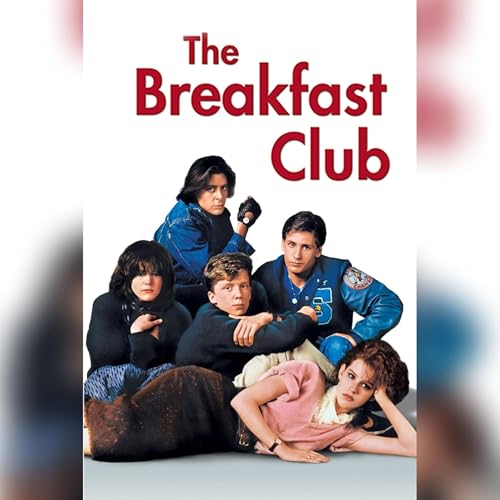
  • The Breakfast Club (1985) | 80s Teen Classic That Defined a Generation | VHSSB
    Jan 14 2026

    The Breakfast Club (1985) was chosen by Patreon supporter Lucky LouLou Green, and it stands as one of the defining films of 1980s American cinema. Written, produced, and directed by John Hughes, the movie was made during an incredibly prolific period for the filmmaker, as he reshaped teen movies with a more honest, character-driven approach. Shot on a modest budget of around $1 million, the film was produced quickly, with Hughes deliberately stripping away flashy set pieces to focus on dialogue, performance, and atmosphere. Principal photography took place at Maine North High School in Des Plaines, Illinois — a real, unused school that Hughes would return to multiple times throughout his career.

    The production schedule was famously short — just 28 days — and Hughes encouraged collaboration, allowing the young cast to contribute ideas and personal experiences to their roles. Several moments of dialogue were improvised or rewritten on set, helping give the film its natural, conversational feel that set it apart from other teen movies of the era. Composer Keith Forsey provided the now-iconic soundtrack, perfectly capturing the mood of mid-80s youth culture. Upon release, The Breakfast Club became both a commercial and cultural success, cementing Hughes’ reputation and turning its cast into defining faces of a generation. Today, the film is widely regarded as a landmark of 1980s filmmaking — proof that a small budget, a single location, and strong creative confidence can produce something timeless.


    🎙️ Trailer Guy Plot Summary

    Five students. One Saturday. And nothing in common… except everything.

    From writer and director John Hughes comes a generation-defining film that locks a group of teenagers inside a school — and lets the walls come down. As the hours tick by, labels are challenged, barriers break, and voices finally get heard.

    The Breakfast Club — where growing up means speaking up… and detention becomes unforgettable.


    🎒 Fun Facts

    • The Breakfast Club was the first John Hughes film to focus entirely on teenagers, without adults driving the story.

    • The movie’s iconic final song, “Don’t You (Forget About Me)” by Simple Minds, was written specifically for the film and became a global hit.

    • Molly Ringwald later said she was initially unsure about the film, not realizing it would become culturally iconic.

    • The movie helped define the concept of the “Brat Pack,” a media label applied to its young cast and their contemporaries throughout the 1980s.

    • Emilio Estevez was originally considered for a different role before being cast as Andrew Clark.

    • John Hughes reportedly wrote the screenplay in just two days.

    • The film is frequently ranked among the greatest teen movies of all time by outlets such as Rolling Stone, Empire, and the American Film Institute.

    • In 2016, the main cast reunited publicly for the first time in over 30 years, cementing the movie’s lasting cultural impact.


    ❤️ Support the Show

    If you enjoy the show and would like to support us, we have a Patreon here — every bit of support helps keep The VHS Strikes Back rolling.

    If you’re listening on Apple Podcasts or Spotify, leaving us a 5-star review (and a short comment) really helps more people discover the show. It’s quick, free, and makes a huge difference.

    Referral links also help out the podcast if you were already planning to sign up:

    • NordVPN

    • NordPass

    📧 thevhsstrikesback@gmail.com

    🔗 https://linktr.ee/vhsstrikesback

    Show More Show Less
    1 hr and 7 mins
  • Better Off Dead (1985) | Surreal Cult Teen Comedy, Maximum 80s Energy | VHSSB
    Jan 7 2026
    Better Off Dead (1985) was chosen by supporter Susan, and it’s one of the most distinctive teen comedies to come out of the mid-1980s. Written and directed by Savage Steve Holland, the film was conceived as a deliberately off-kilter alternative to the more conventional John Hughes–style comedies dominating the era. Holland drew heavily on surreal humor, cartoon logic, and exaggerated visual gags, aiming to make a live-action movie that felt closer to a Looney Tunes short than a traditional teen film. Produced by Warner Bros. on a modest budget, the movie was shot primarily in California and embraced a heightened, artificial look that matched its absurd tone.The production itself was famously contentious. Studio executives reportedly struggled to understand Holland’s surreal approach, and star John Cusack later distanced himself from the film, feeling the final cut leaned too far into absurdity. Despite this, the filmmakers were given enough freedom to fully commit to the bizarre visual style, rapid-fire jokes, and unconventional editing choices. While Better Off Dead underperformed theatrically and received mixed reviews on release, it found a second life on VHS and cable television, where audiences embraced its oddball humor. Over time, the film has become a cult classic, celebrated for its unapologetic weirdness and its refusal to play by the rules of standard 1980s teen comedies.Checkout Susan’s podcast Geek Girl Soup here.If you enjoy the show and would like to support us, we have a Patreon ⁠⁠⁠here⁠⁠⁠.Referral links also help out the show if you were going to sign up:⁠⁠⁠NordVPN⁠⁠⁠⁠⁠⁠NordPass⁠⁠⁠Trailer Guy Plot SummaryThis winter… high school gets weird.From the twisted mind of Savage Steve Holland comes a teen comedy where nothing behaves like reality, logic takes a holiday, and every problem is dialed up to cartoon levels of insanity. When heartbreak hits and humiliation follows, one teenager spirals into a snow-covered nightmare filled with bizarre neighbors, aggressive paperboys, and challenges that demand absolute commitment.Better Off Dead — where teenage angst meets surreal chaos… and giving up is not an option.Fun FactsBetter Off Dead features several stop-motion and animated sequences, including the famous dancing hamburgers scene, created to mimic cartoon physics in live action.The aggressive paperboy character was played by Demian Slade, whose brief but intense performance became one of the most quoted elements of the film.Actress Kim Darby, who played the protagonist’s mother, was already famous for her role in True Grit (1969), making her casting an unexpected generational crossover.Curtis Armstrong (later known for Revenge of the Nerds and Risky Business) appears in one of his early comedy roles, adding to the film’s cult appeal.The movie’s synth-heavy soundtrack, composed by Rupert Hine, became a cult favorite and was later released as a standalone album.The fictional foreign exchange student characters were deliberately written with exaggerated stereotypes to heighten the film’s absurdist tone.Many of the film’s jokes are delivered entirely visually, with minimal dialogue, reinforcing its reputation as a comedy that rewards repeat viewings.Better Off Dead is frequently cited by comedians and filmmakers as a precursor to modern surreal comedies, influencing later offbeat humor in film and TV.⁠⁠⁠⁠⁠⁠⁠⁠⁠⁠⁠⁠⁠⁠⁠⁠⁠⁠⁠⁠⁠⁠⁠⁠⁠⁠⁠⁠⁠⁠⁠⁠⁠⁠⁠⁠⁠⁠⁠⁠⁠⁠⁠⁠⁠⁠⁠⁠⁠⁠⁠⁠⁠⁠⁠⁠⁠⁠⁠⁠⁠⁠⁠⁠⁠⁠⁠⁠⁠⁠⁠⁠⁠⁠⁠⁠⁠⁠⁠⁠⁠⁠⁠⁠⁠⁠⁠⁠⁠⁠⁠⁠⁠⁠⁠⁠⁠⁠⁠⁠⁠⁠⁠⁠⁠⁠⁠⁠⁠⁠⁠⁠thevhsstrikesback@gmail.com⁠⁠⁠⁠⁠⁠⁠⁠⁠⁠⁠⁠⁠⁠⁠⁠⁠⁠⁠⁠⁠⁠⁠⁠⁠⁠⁠⁠⁠⁠⁠⁠⁠⁠⁠⁠⁠⁠⁠⁠⁠⁠⁠⁠⁠⁠⁠⁠⁠⁠⁠⁠⁠⁠⁠⁠⁠⁠⁠⁠⁠⁠⁠⁠⁠⁠⁠⁠⁠⁠⁠⁠⁠⁠⁠⁠⁠⁠⁠⁠⁠⁠⁠⁠⁠⁠⁠⁠⁠⁠⁠⁠⁠⁠⁠⁠⁠⁠⁠⁠⁠⁠⁠⁠⁠⁠⁠⁠⁠⁠⁠⁠⁠⁠⁠⁠⁠⁠⁠⁠⁠⁠⁠⁠⁠⁠⁠⁠⁠⁠⁠⁠⁠⁠⁠⁠⁠⁠⁠⁠⁠⁠⁠⁠⁠⁠⁠⁠⁠⁠⁠⁠⁠⁠⁠⁠⁠⁠⁠⁠⁠⁠⁠⁠⁠⁠⁠⁠⁠⁠⁠⁠⁠⁠⁠⁠⁠⁠⁠⁠⁠⁠⁠⁠⁠⁠⁠⁠⁠⁠⁠⁠⁠⁠⁠⁠⁠⁠⁠⁠⁠⁠⁠⁠⁠⁠⁠⁠⁠⁠⁠⁠⁠⁠⁠⁠⁠⁠⁠⁠⁠⁠⁠⁠⁠⁠⁠⁠⁠⁠⁠⁠⁠⁠⁠⁠⁠⁠https://linktr.ee/vhsstrikesback⁠⁠⁠⁠⁠⁠⁠⁠⁠
    Show More Show Less
    55 mins
No reviews yet