Episodes

  • Our drunk ancestors? ft. Aleksey Maro's research
    Feb 23 2026

    Are human drinking habits an evolutionary hangover? In this episode of The Wild Bits Show, we sit down with evolutionary biology researcher Aleksey Maro from UC Berkeley to unpack the fascinating “Drunken Monkey Hypothesis”. Discover how wild chimpanzees consume fermenting fruits and what their diets reveal about the origins of our own alcohol metabolism.

    Show More Show Less
    2 hrs and 8 mins
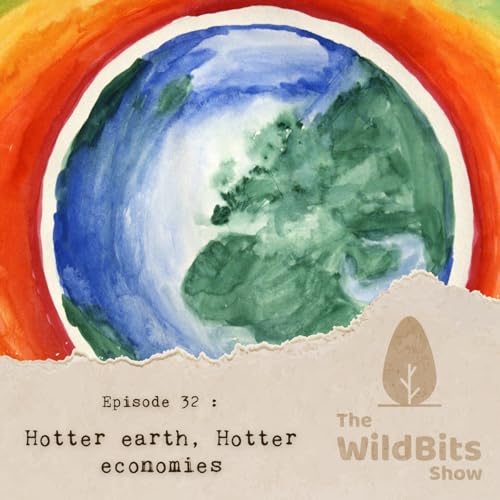
  • Hotter earth, Hotter economies
    Feb 17 2026

    This week, we dive into the link between economic growth & climate change, a surprising timber surplus in Nepal, & an inspiring conservation story from Bolivia! Plus, oil spill news & amazing species discoveries. Can economies thrive without constant growth? 🤔 Join the discussion!

    Show More Show Less
    1 hr and 54 mins
  • Bad Bad Soy Boys
    Feb 9 2026

    Please SUBSCRIBE NOW! http://bit.ly/TheWildBits

    This week on The Wild Bits Show, we discuss the Amazon, the world’s greatest carbon sink. When the biggest soy traders walk away from a landmark zero-deforestation agreement, the rainforest faces a projected 30% spike in clearing — driven not just by profit, but by a bizarre local law punishing companies for going beyond minimum environmental standards. What does it mean when doing more for the planet is literally penalised?

    From there the story darkens: pesticides are quietly devastating insects and soil organisms across the globe, Malaysia has lost a fifth of its coral reefs in just three years, and endangered bats are flying hundreds of miles farther north in search of blooming agave. Yet glimmers of hope break through — polar bears in Svalbard are growing fatter as they adapt to shrinking sea ice, and along India’s western coast, the same fishermen who once hunted whale sharks now risk their nets and income to free them.

    A raw, urgent journey through the forces destroying nature — and the unexpected ways life fights back.

    FOLLOW The Wild Bits: YouTube: https://www.youtube.com/thewildbits Instagram: https://www.instagram.com/thewildbitsprod Twitter: https://twitter.com/thewildbitsprod Twitch: https://www.twitch.tv/thewildbitsprod

    Show More Show Less
    1 hr and 58 mins
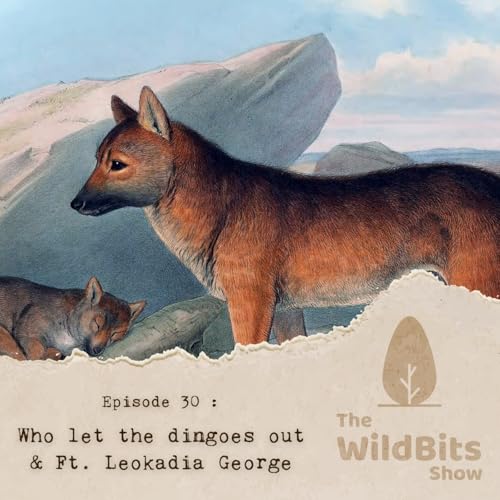
  • Who let the dingoes out & Ft. Leokadia George
    Feb 2 2026

    This week on The Wild Bits Show, when a tragedy occurs on the sandy shores of K’gari, the line between human safety and wild animal instinct becomes blurred. We dissect the heartbreaking incident involving a Canadian tourist and the subsequent order to euthanize a pack of dingoes. We explore the ethics of penalizing animals for being animals and ask: are we the real invasive species?

    The boundary between reality and fabrication is also crumbling. We investigate how hyper-realistic AI images and videos are distorting our view of the natural world, creating false narratives that conservationists must now fight to correct. From frogs drowning out native calls to sharks ending up in school lunches, we cover the strange and serious shifts in our ecosystem.

    Finally, we sit down with author Leokadia George to strip away the myth of the “Big Bad Wolf.” She shares the inspiring true story of Trumpet, a Mexican Gray Wolf, and how storytelling can shape the next generation of conservationists.

    Show More Show Less
    2 hrs and 3 mins
  • Sing Like a Whale
    Jan 25 2026

    This week on The Wild Bits Show, we explore if a melody can change the fate of a species? We dive deep into the incredible true story of how haunting recordings of humpback whale songs in the 1970s captivated the world and helped pull these giants back from the brink of extinction. We explore the emotional power of bioacoustics and ask if similar global movements could save today’s most vulnerable creatures.

    The conversation then shifts to a crisis in the Andaman Sea, where Thailand’s dugongs are mysteriously vanishing due to starving seagrass meadows. We also unpack a controversial conservation project in India, where a center meant to save these “sea cows” might be built on the very ecosystem they need to survive.

    From the ocean depths to the barnyard, we witness a scientific first: a cow named Veronica who has mastered the art of tool use. Plus, we cover a massive global shift in seaweed blooms, a tiny new mammal discovery in Ethiopia, the heartbreaking saga of Canada’s captive belugas, and how AI is being used to prevent human-wildlife conflict in India. Join us for a journey through the wonders and warnings of the natural world.

    Show More Show Less
    2 hrs
  • U.S. deports wildlife NOW
    Jan 19 2026

    This week we talk about Borders. Lines drawn in the sand that nations defend with steel and concrete. But for the jaguar, the black bear, and the ocelot, these lines sever ancient lifelines. This week, we journey to the Madrean Sky Islands to witness how a 250-mile wall is reshaping the genetic future of North America’s wildest residents, and ask: can nature survive a barrier meant to last forever?

    The narrative shifts to the most unlikely of sanctuaries—radioactive zones and minefields—where the absence of humanity has allowed nature to reclaim the land in a bittersweet resurgence. We then travel to the steppes of Mongolia, where a delicate truce between sacred wolves and nomadic herders is fraying under the pressure of a changing climate.

    From the discovery of a Woolly Rhino’s genome hidden inside a frozen wolf pup to the heartbreaking silence of Australian forests losing their Flying Foxes to heat, this episode traverses time and temperature. We end with a modern dilemma: in our rush for green energy lithium, are we sacrificing the very bees that feed the world? Join us for a deep dive into the conflicts, discoveries, and resilience of the wild.

    Show More Show Less
    2 hrs and 1 min
  • AI - The Next Climate Threat?
    Jan 11 2026

    This week on The Wild Bits Show, we unpack the growing environmental footprint of AI, from energy-hungry data centers to water-intensive cooling systems that rival entire power plants. As large language models become woven into everyday life, we ask the uncomfortable question: is convenience quietly costing the planet?

    The conversation goes beyond headlines. We explore whether AI’s promise to fight climate change can ever outweigh its massive carbon debt—and why rolling back this dependency may be harder than we think. From digital convenience and human behavior to regulation, investor pressure, and the possibility of a bursting AI bubble, this episode challenges how we think about progress.

    Balancing the doom is a story of hope from the Amazon, where recycled paper embedded with seeds is turning waste into forests—proving innovation doesn’t always need more compute, just better ideas.

    If you care about climate change, technology, sustainability, and the future we’re building—this episode is for you.

    Show More Show Less
    2 hrs
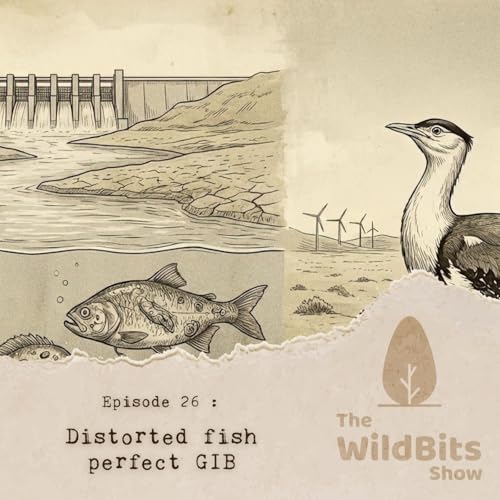
  • Distorted fish perfect GIB
    Jan 6 2026

    This week, we begin in Brazil’s Xingu River, where altered water flows from a massive hydroelectric dam are reshaping fish bodies themselves — a visible warning of ecosystem collapse. From there, the story flips to India, where the protection of the critically endangered Great Indian Bustard has forced a rethink of green energy infrastructure, proving that conservation and development don’t always have to be enemies.

    The conversation then moves to the UK, where climate change tells two conflicting stories at once: hundreds of plant species blooming in winter, and a record-breaking spring that temporarily boosts songbird breeding. Is this resilience, or a fragile illusion?

    The episode also touches on vanishing great white sharks in the Mediterranean and the growing skepticism around “de-extinction” efforts that revive species without restoring the ecosystems they once belonged to.

    This is a deep, reflective exploration of climate change, biodiversity loss, conservation policy, and the uncomfortable truth that nature often pays the price for human progress — unless we decide it’s non-negotiable.

    Show More Show Less
    1 hr and 54 mins