


Travelers In The Night
Failed to add items
Sorry, we are unable to add the item because your shopping basket is already at capacity.
Add to cart failed.
Please try again later
Add to wishlist failed.
Please try again later
Remove from wishlist failed.
Please try again later
Follow podcast failed
Unfollow podcast failed

Travelers In The Night
-
Narrated by:
-
Written by:
-
Albert D. Grauer
About this listen
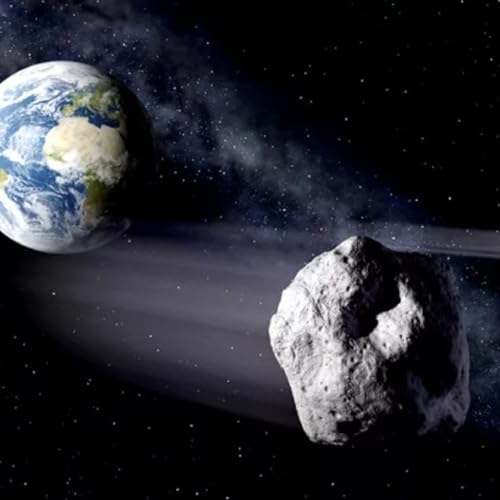
Dr. Al Grauer is a member of the Catalina Sky Survey which has led the world in near Earth asteroid discoveries for 17 of the past 19 years.
The music is "Eternity" by John Lyell.
Astronomy Asteroids Space NASA Comets Earth Impact AliensAlbert D. Grauer
Episodes
-
 Jan 23 20262 mins
Failed to add items
Sorry, we are unable to add the item because your shopping basket is already at capacity.Add to cart failed.
Please try again laterAdd to wishlist failed.
Please try again laterRemove from wishlist failed.
Please try again laterFollow podcast failed
Unfollow podcast failed
-
 Jan 20 20262 mins
Failed to add items
Sorry, we are unable to add the item because your shopping basket is already at capacity.Add to cart failed.
Please try again laterAdd to wishlist failed.
Please try again laterRemove from wishlist failed.
Please try again laterFollow podcast failed
Unfollow podcast failed
-
 Jan 16 20262 mins
Failed to add items
Sorry, we are unable to add the item because your shopping basket is already at capacity.Add to cart failed.
Please try again laterAdd to wishlist failed.
Please try again laterRemove from wishlist failed.
Please try again laterFollow podcast failed
Unfollow podcast failed
No reviews yet