🎙️ London Irish, Boston Celtics & the Names We Carry In this episode of Undercover Irish, we follow a simple question—what's in a name?—and uncover a global story of identity, memory, and survival.
From the fields of Ireland to the streets of London and the arenas of Boston, this episode explores how Irish identity has been carried, rebuilt, and reimagined through the names of sporting clubs and institutions.
We begin at home, with unusual GAA club names like the Four Masters, Cashel King Cormac's, and the Geraldines—names that preserve history, assert legitimacy, and connect communities to Ireland's past.
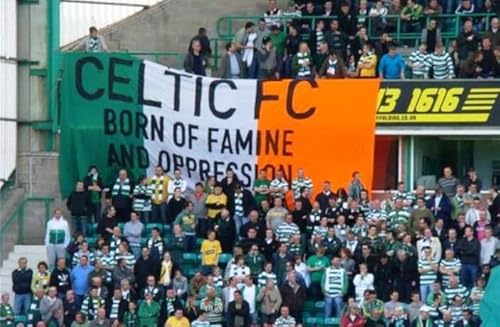
From there, we cross the Irish Sea. In Britain, clubs like Hibernian, Celtic, and London Irish show how Irish migrants rebuilt identity in exile—using names not just to organise sport, but to declare presence and belonging.
Then we travel further, across the Atlantic to Boston—one of the most Irish cities in the world. Here, identity doesn't just survive. It becomes part of the mainstream. The Boston Celtics, with their name, colour, and symbolism, reflect how deeply Irish identity is embedded in the city itself.
And finally, we arrive at Notre Dame, where the "Fighting Irish" show how identity moves beyond sport—into education, into institutions, and into the shaping of future generations.
This episode is not just about sport.
It's about how identity travels.
How it adapts.
And how, when everything else is lost… it survives through names.
🔍 In This Episode: - The meaning behind unusual GAA club names
- The Annals of the Four Masters and cultural preservation
- Irish identity in Britain: Hibernian, Celtic, and London Irish
- The Irish diaspora in Boston and the story behind the Boston Celtics
- Notre Dame and the evolution of the "Fighting Irish"
- How names act as memory, resistance, and belonging
🌍 Key Themes: - Irish identity at home and abroad
- Sport as a vehicle for culture
- Migration and diaspora
- Naming as an act of memory and power
📢 Follow & Share If you enjoyed this episode of Undercover Irish, follow the podcast and share it with someone interested in Irish history, culture, and identity.


 May 21 202625 mins
 26 mins
 33 mins
 26 mins
 Apr 22 202631 mins
 23 mins