• How Founders Become Investable | Tyrus Shivers on Capital Raising, AI & Going Public
    May 30 2026

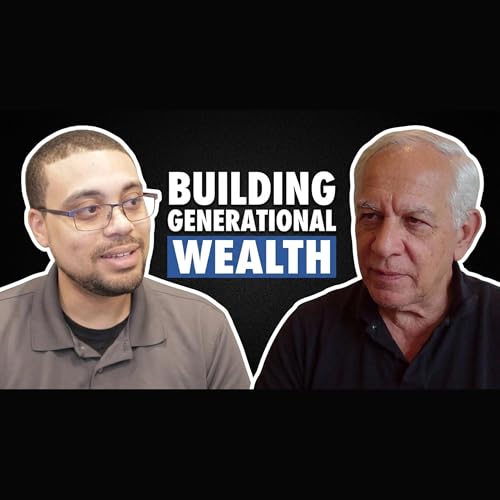
    In this episode of Arthur’s Round Table, Tyrus Shivers shares his journey from military service and government contracting to entrepreneurship, capital raising, and building Legacy Wealth Capital Group.


    Tyrus explains why many founders struggle to raise capital—not because they lack good ideas, but because they have not yet built investable businesses. The conversation explores what it takes to move from operator to owner, from hustle to infrastructure, and from startup founder to capital-ready entrepreneur.


    We discuss how investors evaluate opportunities, why systems and structure matter, how AI is changing entrepreneurship, and how founders can leverage pathways such as Regulation CF, Regulation A+, Reg D offerings, OTC markets, and public company strategies to accelerate growth.


    Whether you're a founder, investor, family office executive, or entrepreneur looking to scale, this episode provides practical insights into building companies that attract capital and create long-term value.


    What You'll Learn


    • Why most founders are not investor-ready

    • How to build an investable business

    • Why capital follows structure

    • How AI is changing entrepreneurship

    • The differences between Reg CF, Reg D, and Reg A+

    • What investors look for before writing checks

    • How ownership creates generational wealth

    • The pathway from startup to public markets

    • Why systems and scalability increase company value


    About Tyrus Shivers


    Tyrus Shivers is an entrepreneur, investor, and founder of Legacy Wealth Capital Group. His background spans military service, government contracting, property management, consulting, capital raising, and business development. He focuses on helping founders build investable businesses, access capital, and create long-term wealth through ownership and strategic growth.

    Show More Show Less
    58 mins
  • Family Office Connection Capital & Trusted Networks. Tim Brown Interview
    May 28 2026
    In this episode of Arthur’s Round Table, Tim Brown shares his remarkable journey from Colorado and Cisco Systems to building one of the most relationship-driven family office communities in the industry. The conversation explores family office governance, trusted networks, connection capital, peer-to-peer learning, next-generation leadership, AI, wealth stewardship, and why meaningful relationships may become one of the most valuable assets in the modern world.Tim also discusses the creation of Somos22 and Fortaleza — two communities intentionally designed to help family offices and principals build deeper trust, stronger peer relationships, and long-term multi-generational alignment.🎯 What You’ll LearnWhy connection capital matters for family officesHow trusted peer networks accelerate learning and decision-makingThe difference between traditional conferences and relationship ecosystemsWhy family offices often experience “responsibility-driven isolation”How AI is reshaping leadership, wealth, and human relationshipsWhy private trust networks create asymmetric opportunityThe importance of governance, next-generation engagement, and shared valuesHow relationships compound like financial capitalWhy successful communities require intentional architectureHow high-trust ecosystems improve long-term outcomes🧠 Key Insights from Tim Brown1. Relationships Compound Like Financial CapitalOne of Tim’s strongest ideas:👉 relationships compound the same way wealth compounds.He explains that:networksexperiencestrustshared wisdomall compound over time through intentional investment.2. Family Offices Often Operate in IsolationTim describes what he calls:👉 “responsibility-driven isolation.”Because family offices are:privatecomplexrelationship-sensitivehighly confidentialmany principals and executives struggle to openly compare notes with peers.3. Connection Capital Is Becoming a Strategic AssetA major theme throughout the episode:👉 trusted relationships may become one of the most valuable forms of capital.Tim argues that:opportunitiesintroductionsperspectivetrustcollaborationall emerge from strong relationship ecosystems.4. Traditional Conferences Often Reset RelationshipsTim explains that many industry events:create short-term interactionsprovide valuable informationbut fail to deepen relationships long-termThis realization helped inspire the creation of Somos22 and Fortaleza.5. Private Trust Networks Create Asymmetric AdvantagesOne of the most important concepts discussed:👉 private trust networks create access to:opportunitiesintelligencerelationshipsideascapital partnershipsthat traditional institutional systems often cannot replicate.6. Peer-to-Peer Learning Is Extremely PowerfulTim discusses how:YPO forumsfamily office peer groupsintimate governance conversationscreate transformational learning environments because members share:similar responsibilitiesaligned valueslived experience7. The Future of Wealth Is Multi-GenerationalA recurring theme throughout the conversation:👉 great family offices think in generations—not quarters.Tim explains that:governancenext-generation educationtrust structureslong-term alignmentmatter as much as investment returns.8. AI Will Transform Opportunity CreationThe conversation explores how AI is accelerating:productivityinnovationdecision-makingknowledge creationBut Tim also believes:👉 authentic human relationships become MORE important as AI advances.9. Human Connection Cannot Be AutomatedOne of the most powerful philosophical ideas in the episode:👉 AI can automate information—but not authentic trust and human connection.This becomes increasingly important in:leadershipinvestingfamily governancerelationship ecosystems
    Show More Show Less
    54 mins
  • Breathwork & Nervous System Recovery | Tim Thomas on Sleep, Stress & Human Performance
    May 26 2026
    In this episode of Arthur’s Round Table, Tim Thomas shares his extraordinary journey from Australian Special Forces operations in Afghanistan to developing a global breathwork and nervous system recovery platform focused on sleep, resilience, emotional regulation, and human performance.The conversation explores:nervous system recoverybreathworksleep optimizationfight-or-flight statestrauma and stressexecutive functionleadership and servicehuman connectionemotional resiliencehigh-performance livingTim explains how chronic stress and fatigue disconnect people from their executive function and how simple breathing practices can restore clarity, resilience, emotional regulation, and human connection.🎯 What You’ll LearnHow fight-or-flight impacts decision-making and leadershipWhy sleep is the “soil from which everything grows”How breathwork regulates the nervous systemWhy fatigue disconnects people from executive functionHow emotional isolation affects performance and relationshipsWhy modern culture keeps people trapped in chronic stressHow sunlight and breathing impact circadian rhythmsWhy human connection improves resilience and recoveryHow Tim helped veterans struggling with PTSD and exhaustionWhy performance without recovery becomes dangerous🧠 Key Insights from Tim Thomas1. Performance Without Recovery Becomes a LiabilityOne of Tim’s most powerful insights:👉 “High performance without proper recovery eventually becomes dangerous.”Tim explains how:chronic stresssleep deprivationhypervigilanceemotional suppressioneventually reduce:clarityresilienceleadership capabilityemotional regulation2. Fight-or-Flight Disconnects Executive FunctionTim describes how people trapped in chronic stress operate from the amygdala:reactive thinkingsurvival modeemotional defensivenesstunnel visionWhen nervous systems regulate properly, people regain access to:executive thinkingcreativitylong-term decision-makingemotional stability3. Fatigue Creates IsolationA major theme throughout the episode:👉 exhausted people become disconnected from themselves and others.Tim explains that when energy is depleted:empathy decreasespatience disappearsconnection weakensthreat perception increases4. Breathwork Can Shift the Nervous System QuicklyTim discovered in Afghanistan that focused breathing dramatically changed his physical and emotional state.This eventually became the foundation for:Breathwork In Bedsleep recovery protocolsnervous system regulation practices5. Sleep Is the Foundation of Human PerformanceTim repeatedly emphasizes:👉 “Sleep is the soil from which everything grows.”Without proper sleep:emotional regulation weakensphysical recovery slowsstress increasescognitive performance declines6. The First & Last Five Minutes of the Day Matter MostOne of the most practical frameworks in the episode:👉 the first five minutes after waking and the last five minutes before sleep dramatically shape human state.Most people unknowingly poison those moments through:stressscreensintrusive thoughtsanxietyTim teaches simple breathwork practices to reclaim those windows.7. Human Energy Works Like Financial CapitalTim introduces the concept of:an “energy portfolio.”Some activities:drain energycreate stressreduce resiliencewhile others generate:emotional abundanceclaritycreativityvitality8. Service and Generosity Restore ConnectionOne of the most emotional stories in the episode involves Tim serving coffee to fellow soldiers during deployment.He realized:service dissolves egoconnection regulates stressgenerosity strengthens teamsThis became foundational to his philosophy.9. Natural Light Regulates the Human Nervous SystemTim explains how:sunrise exposuresunlight through the eyescircadian rhythmsbreathwork outdoorshelp synchronize the body’s internal systems.He argues modern artificial environments disrupt natural human regulation.
    Show More Show Less
    54 mins
  • Leadership & Human Connection in the AI Era. Stever Robbins Interview
    May 24 2026
    Stever Robbins shares insights on leadership, authentic communication, executive coaching, and why human connection may become the most valuable asset in the AI era. Discover lessons from Silicon Valley, entrepreneurship, neurodiversity, startup culture, and the future of leadership.In this episode of Arthur’s Round Table, executive coach and entrepreneur Stever Robbins explores why authentic human connection may become increasingly valuable in the AI era. From his extraordinary journey through MIT, Harvard Business School, Silicon Valley startups, and executive coaching, Stever shares lessons on leadership, communication, entrepreneurship, neurodiversity, trust, and the future of human interaction in a world increasingly shaped by artificial intelligence.The conversation explores:leadership developmentstartup cultureexecutive coachingnetworking and influenceAI-generated contentcommunication psychologyneurodiversityentrepreneurshiptrust and relationshipsthe future of human connection🎯 What You’ll LearnWhy authentic human connection becomes more valuable as AI advancesHow relationships create disproportionate business opportunitiesWhy the best products often fail without communication and trustThe difference between coaching and consultingHow neurodiversity can become a leadership advantageWhy AI may increase the value of original human thoughtLessons from early Silicon Valley and internet innovationHow leadership depends on becoming “connected and respected”Why startup timing matters as much as executionHow social media changes communication and human behavior🧠 Key Insights from Stever Robbins1. Human Connection Becomes More Valuable in an AI WorldAs AI-generated content becomes widespread:👉 authentic relationships, trust, and human communication become increasingly differentiated.Stever argues that:real perspectiveemotional intelligencetrusthuman nuancewill become premium assets in the future economy.2. Relationships Create OpportunityOne of Stever’s core philosophies:👉 “It’s not what you know. It’s who knows you.”Relationships drive:introductionsdeal flowleadership opportunitiesinfluencetrust networksThis applies directly to:family officesinvestorsfoundersexecutives3. Leadership Depends on Being “Connected and Respected”Stever explains that successful leadership requires both:connectioncredibilityWithout connection:people disengageWithout respect:influence disappears4. The Best Product Does Not Always WinStever shares lessons from early Silicon Valley companies that failed despite superior technology.👉 Great technology without:communicationpositioningtimingmarket understandingoften loses.This remains highly relevant in today’s AI economy.5. Executive Coaching Builds Capability—Not Just InformationA major distinction in the episode:Consultants provide answers.Coaches develop people.True leadership coaching creates:self-awarenesscommunication skillbehavioral changelong-term capabilityrather than short-term fixes.6. Neurodiversity Can Become a Competitive AdvantageStever discusses discovering later in life that he likely has neurodivergent traits.Rather than limiting him, this led him to:deeply study psychologymaster communication systemsidentify patterns others missedbuild unique leadership frameworks7. AI May Increase the Value of Authentic Thought LeadershipAs AI floods the internet with synthetic content:👉 original thinking and authentic human voice become more important—not less.This is especially relevant for:entrepreneursinvestorsmedia creatorspodcastersthought leaders8. Timing Matters in EntrepreneurshipStever explains how many startups fail not because the idea is bad—but because:infrastructure is immaturemarkets are earlycustomers are not readyTiming is often underestimated in business success.https://linkedin.com/in/steverrobbins
    Show More Show Less
    1 hr and 11 mins
  • The Hidden Wealth Strategy Billionaires Use: Farmland
    May 17 2026
    In this episode of Arthur’s Round Table, Steve Bruere, President of Peoples Company, shares deep insights into farmland investing, agricultural land ownership, family office allocations, and why farmland has become one of the world’s most resilient alternative assets. The discussion covers inflation protection, food security, renewable energy development, data centers, institutional capital flows, and how farmland generates long-term wealth across generations.🎯 What You’ll LearnWhy farmland performs well during inflationary cyclesHow family offices are investing in agricultural landWhy farmland is increasingly attractive versus traditional assetsThe economics behind farmland appreciationHow renewable energy and data centers impact farmland valuesWhy farmland turnover remains extremely lowThe role of crop insurance in reducing agricultural riskHow technology is transforming modern farming🌾 Key Insights from Steve Bruere1. Farmland Is One of the Most Durable Real AssetsSteve explains that farmland behaves similarly to inflation:as inflation risesfarmland values historically rise alongside itThis makes farmland highly attractive for:wealth preservationportfolio diversificationlong-term capital appreciation2. Family Offices Are Increasingly Allocating to FarmlandThe episode explores how:family officesinstitutional investorshigh-net-worth investorsare increasingly viewing farmland as a strategic portfolio allocation.Farmland provides:inflation protectionnon-correlation to public equitiesstable long-term appreciation3. Farmland Has Extremely Low TurnoverOne of the most fascinating statistics in the conversation:👉 less than 2% of farmland changes hands annually.Most landowners:hold for generationsrarely sellview farmland as permanent family wealth4. Farmland Generates Both Yield and AppreciationSteve explains that farmland returns come from:annual cash rentincreasing agricultural productivitylong-term appreciationModern farming technology has significantly increased crop yields over time.5. Technology Is Transforming AgricultureThe episode covers:autonomous farm equipmentAI-driven farming systemsprecision spraying technologyadvanced crop geneticsModern agriculture is becoming increasingly data-driven and efficient.6. Crop Insurance Fundamentally Changes Agricultural RiskSteve explains how federally subsidized crop insurance:protects farm revenuestabilizes farmland economicsreduces downside risk for landowners and operatorsThis is one reason farmland has historically remained resilient.7. Renewable Energy Is Reshaping Farmland EconomicsThe conversation explores how farmland is increasingly used for:solar projectswind energybattery storagedata centersThese developments create entirely new revenue opportunities for landowners.8. Data Centers Are Becoming Major Rural Economic DriversSteve shares insights into how data centers:create tax revenueimprove infrastructureattract investment into rural communitiesHe also explains why public communication around these projects often fails.9. The Best Farmland Is Treated Like Trophy Real EstateHigh-quality farmland in regions like:IowaIllinoisNebraskais increasingly viewed as irreplaceable generational property.10. Farmland Is “Gold with a Dividend”One of the strongest investing frameworks from the episode:👉 farmland combines:real asset protectionrecurring incomeappreciation potentialoptionality for future development👤 About Steve BruereSteve Bruere is the President of Peoples Company, one of the leading farmland management, brokerage, and agricultural investment firms in the United States. Peoples Company works with:family officesinstitutional investorsfarm familiesagricultural operatorsacross farmland acquisitions, management, valuation, and agricultural capital markets.https://peoplescompany.com/
    Show More Show Less
    57 mins
  • Conscious Leadership & Cultural Transformation. Jaclyn Orent Interview
    May 17 2026

    In this episode of Arthur’s Round Table, Jaclyn Orent shares her work building Cultural Catalysts, an organization focused on conscious leadership, systemic change, and creating new cultural infrastructure for leaders, entrepreneurs, and organizations. The conversation explores transparency, organizational psychology, systems architecture, leadership evolution, spirituality, entrepreneurship, and how human consciousness influences culture itself.


    🎯 What You’ll Learn

    Why transparency is foundational to high-performing organizations

    How systems thinking changes leadership and decision-making

    Why most organizational change efforts fail

    The difference between intrinsic and extrinsic motivation

    How purpose-driven leadership sustains long-term performance

    Why culture is shaped through networks and shared vision

    How entrepreneurs create transformational change

    🧠 Key Insights from Jaclyn Orent

    1. Transparency Creates Organizational Trust


    Jaclyn discusses Ray Dalio’s principles and how radical transparency creates:


    better communication

    faster problem-solving

    greater accountability

    stronger collaboration


    She argues that hiding problems inside organizations weakens innovation and trust.


    2. Organizations Behave Like Living Networks


    One of the central metaphors in the episode is the Aspen Grove:


    👉 seemingly separate trees connected underground through shared systems and communication.


    Jaclyn believes organizations and communities operate similarly through interconnected networks.


    3. Most Change Efforts Fail Because They Focus on Problems


    A major insight from the conversation:


    👉 sustainable transformation comes from emotionally compelling visions—not from obsessing over problems.


    Problem-focused thinking often creates stress and resistance instead of growth.


    4. Shared Vision Creates Alignment


    Jaclyn explains that transformational leadership requires:


    shared purpose

    shared values

    shared energy

    collective buy-in


    Without emotional alignment, organizations struggle to scale sustainably.


    5. Innovation Requires Leaving the Known


    True innovation often looks irrational at first.


    Jaclyn argues:


    most companies iterate

    very few genuinely innovate


    because innovation requires entering uncertainty and redefining identity.


    6. Leadership Evolves Through Different Stages


    The episode explores John Maxwell’s leadership framework:


    positional leadership

    relationship leadership

    results-based leadership

    people development

    legacy leadership


    The highest-level leaders create systems that outlive themselves.


    7. Meaning and Fulfillment Matter More Than Success Alone


    Jaclyn discusses how:


    money alone does not create fulfillment

    achievement without purpose often feels empty

    entrepreneurs need emotionally compelling missions

    8. Consciousness Influences Leadership Outcomes


    The conversation explores:


    psychology

    emotional regulation

    spirituality

    nervous system states

    consciousness science


    and how these factors influence decision-making and leadership performance.


    9. Education Should Develop Unique Abilities


    Jaclyn argues traditional education systems:


    over-standardize people

    suppress individuality

    fail to cultivate unique talents


    Entrepreneurship and real-world experience often accelerate authentic development.


    10. Cultural Change Starts with Identity


    One of the deepest themes of the episode:


    👉 people change sustainably when they identify with something larger than themselves.


    👤 About Jaclyn Orent


    Jaclyn Orent is the co-founder, systems architect, and CEO of Cultural Catalysts, an organization building leadership infrastructure focused on systemic change, conscious leadership, organizational transformation, and collaborative culture-building. Her work combines systems thinking, leadership psychology, change science, entrepreneurship, and human development.

    https://www.culturalcatalysts.net/


    Show More Show Less
    57 mins
  • Family Governance & Family Office Communication with Arnaud de Coninck
    May 16 2026
    In this episode of Arthur’s Round Table,Arnaud de Coninck discusses how Trusted Family is transforming communication, governance, and engagement inside family offices and enterprising families. From preserving family legacy and values to aligning shareholders and educating future generations, this conversation explores how technology, governance systems, and intentional communication help families sustain wealth and unity across generations.🎯 What You’ll LearnWhy communication is foundational to successful family enterprisesHow family governance evolves across generationsThe “four bank accounts” every successful family must manageWhy preserving legacy requires more than financial capitalHow technology can improve shareholder alignment and engagementWhy next-generation education is critical for long-term successHow data and communication platforms reduce family conflict🧠 Key Insights from Arnaud De Coninck1. Family Enterprises Require More Than Financial ManagementArnaud explains that sustaining a family enterprise requires managing far more than investments and balance sheets.Successful families must intentionally develop:communication systemsgovernance structureseducation processesshared values and purpose2. The “Four Bank Accounts” Define Family SuccessA central framework in the conversation is the idea that families must invest in four forms of capital:Financial capitalHuman capitalIntellectual capitalSocial capitalArnaud argues that families often over-focus on financial wealth while underinvesting in the other three.3. Legacy Is About Stories—Not Just WealthOne of the major themes of the episode:👉 preserving family history, values, and identity is just as important as preserving capital.Without intentional storytelling and communication:family cohesion weakensfuture generations disconnectpurpose erodes over time4. Governance Creates AlignmentArnaud discusses how successful families establish:family councilsowners councilsnext-generation committeesgovernance processes👉 to reduce conflict and create long-term alignment.5. Technology Enables Multi-Generational ContinuityTrusted Family was designed to centralize:meetingsgovernance materialscommunicationsfamily archiveseducational resourceshistorical knowledge👉 creating a permanent institutional memory for the family.6. Communication Must Be IntentionalFamilies often rely on:emailWhatsAppfragmented systemsBut Arnaud explains these methods fail to preserve long-term knowledge and engagement.7. Data Helps Identify Disengagement Before Conflict EmergesA fascinating insight from the conversation:Trusted Family helps families identify members who are becoming disconnected or disengaged before larger issues arise.This allows:proactive outreachrelationship repairincreased inclusion8. Next-Generation Engagement Is CriticalFuture generations need:educationinvolvementpurposeunderstanding of governance and legacy👉 otherwise inherited wealth can become destabilizing rather than empowering.9. Families Need Shared Purpose—Not Just Shared AssetsArnaud highlights that many successful families eventually sell their operating businesses.The key question then becomes:👉 “What still holds the family together afterward?”10. Security and Privacy Are Essential InfrastructureFamily offices increasingly require:secure communicationpermissioned accesscentralized data managementprotected institutional memoryespecially as complexity and generational scale increase.👤 About Arnaud De ConinckArnaud De Coninck is a leader at Trusted Family, a platform focused on improving governance, communication, and engagement for family offices and enterprising families worldwide. Coming from a Belgian family business background himself, Arnaud combines firsthand experience with deep expertise in family enterprise operations, governance systems, and next-generation engagement.https://www.trustedfamily.com
    Show More Show Less
    25 mins
  • Hypnotherapy & Subconscious Healing for Trauma | Peter McLaughlin Interview
    May 16 2026

    In this episode of Arthur’s Round Table, Peter McLaughlin shares his extraordinary journey from working on Wall Street to discovering he had a rare form of leukemia and Lyme disease shortly after 9/11. Faced with a life-altering diagnosis, Peter began exploring the connection between subconscious healing, trauma, spirituality, and physical health. The conversation dives deep into hypnotherapy, emotional wounds, the subconscious mind, nervous system regulation, quantum reality, and how unresolved trauma may influence every aspect of life.


    🎯 What You’ll Learn

    How unresolved trauma impacts the nervous system and physical health

    Why the subconscious mind may drive emotional and behavioral patterns

    How hypnotherapy and regression techniques can neutralize old wounds

    The connection between stress, fight-or-flight, and chronic disease

    How the placebo effect challenges conventional views of healing

    Why forgiveness, integration, and emotional processing matter

    The relationship between spirituality, consciousness, and healing

    🧠 Key Insights from Peter McLaughlin

    1. Chronic Stress Damages the Body

    Peter explains that the human nervous system was designed for short bursts of danger—not continuous modern stress.


    When people remain trapped in chronic fight-or-flight states:

    immune function declines

    digestion weakens

    hormone systems become dysregulated

    👉 leading to long-term health consequences.

    2. Symptoms Often Point to a Deeper Root Cause

    Peter believes most chronic conditions are not simply random events.

    Instead:

    👉 symptoms may reflect unresolved emotional wounds, trauma, or subconscious patterns.

    3. The Subconscious Mind Does Not Recognize Time

    One of the core ideas discussed:

    👉 the subconscious mind reacts to past emotional wounds as if they are still happening in the present moment.

    This can trigger:

    anxiety

    stress responses

    emotional dysregulation

    physical symptoms

    4. Trauma Can Be Rewritten Through Hypnosis

    Peter describes how regression work and hypnotherapy allow individuals to:

    revisit traumatic experiences

    reinterpret them

    release emotional charge

    integrate wounded aspects of themselves


    👉 effectively “updating the software” of the subconscious mind.

    5. Fight-or-Flight Was Never Designed for Modern Life

    The body responds to:

    financial stress

    relationship conflict

    uncertainty

    the same way it once responded to predators.

    👉 modern stressors can create constant physiological overload.

    6. Healing Requires Integration—Not Suppression

    Peter emphasizes that healing is not about “cutting out” wounded parts of ourselves.

    Instead:

    👉 healing happens through understanding, compassion, reintegration, and emotional resolution.

    7. The Placebo Effect Reveals Hidden Human Potential

    The conversation explores how the placebo effect demonstrates:

    👉 the mind’s extraordinary influence over physical outcomes.

    Peter argues this should be viewed as evidence of untapped healing capacity—not dismissed.

    8. Shame and Guilt Prevent Emotional Resolution

    Peter explains that unresolved guilt creates emotional loops that trap individuals psychologically.

    True healing often requires:

    forgiveness

    accountability

    release of shame

    self-acceptance

    👉 before deeper resolution can occur.

    9. Healing Radiates Beyond the Individual


    A major philosophical theme of the episode:

    👉 healing impacts families, relationships, and even generational patterns.

    Just as trauma spreads outward:

    healing may also radiate through systems and relationships.


    👤 About Peter McLaughlin


    Peter McLaughlin is a hypnotherapist and trauma-resolution practitioner focused on subconscious healing, emotional transformation, and spiritual growth. After being diagnosed with a rare form of leukemia and Lyme disease, Peter began an intensive personal journey into hypnosis, trauma work, spirituality, and mind-body healing that transformed both his life and career.


    Show More Show Less
    37 mins