• The Wheel of Sustainability Explained
    May 19 2026

    What You’ll Learn in This Episode:

    In this episode, Andy Olrich sits down with returning guest Adam Lawrence to explore why so many improvement efforts fail to stick and what leaders can do to create lasting, sustainable change.

    Adam shares the origin story behind his “Wheel of Sustainability” framework and explains why sustainability is ultimately a leadership process, not just a technical one. The conversation dives into the importance of preparation before a Kaizen event, including leadership alignment, clear expectations, strong sponsorship, and creating accountability systems before improvement work even begins.

    You’ll also learn practical ways to strengthen sustainability after an event through audits, visuals, standard work, Gemba walks, and leadership engagement. Adam and Andy discuss why culture, trust, and respect for people are just as important as financial results—and how the true test of success is when employees start asking, “When can you come help my area next?”

    If you’ve ever struggled with improvements fading over time or leaders failing to stay engaged after an event, this episode provides a practical roadmap for building improvements that last.

    Key Takeaways:

    1. Sustainable improvement starts with leadership commitment and preparation
    2. Kaizen events fail when leaders don’t stay visibly engaged before, during, and after the work
    3. Audits, visuals, standard work, and accountability systems help improvements stick
    4. The strongest sign of success is when teams ask for more improvement work in their own areas


    Links:

    Adam Lawrence LinkedIn

    PI Partners

    The Wheel of Sustainability


    Lean Solutions Summit
    Lean Solutions Website

    Show More Show Less
    31 mins
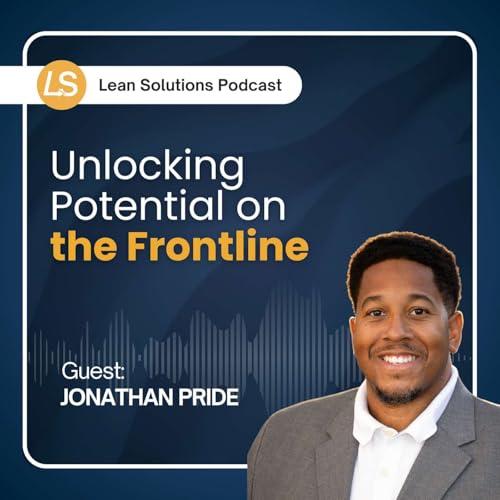
  • Unlocking Potential on the Frontline
    May 12 2026


    What You’ll Learn in This Episode:

    In this episode, Shayne Daughenbaugh and Catherine McDonald sit down with leadership strategist and Army veteran Jonathan Pride to explore the SOAR mindset. A leadership framework built around storytelling, ownership, abundance, and resilience.


    Jonathan shares how leaders can move beyond compliance-driven management and develop teams through coaching, curiosity, and intentional conversations. The discussion highlights why storytelling is one of the most overlooked leadership tools and how leaders can use their lived experiences to build trust, connection, and influence.


    You’ll also learn how practical habits like asking better questions, using the “three whys,” and starting each day with intentional praise can create stronger teams and more empowered problem solvers. The conversation emphasizes that leadership development starts internally through self-awareness, mindset, and personal growth, before it ever impacts others.


    If you’ve ever wondered how to become a more authentic, resilient, and people-centered leader, this episode offers a practical framework to help you start.


    Key Takeaways:

    1. Great leadership starts with owning your story and lived experiences
    2. Coaching and curiosity develop better problem solvers than control and compliance
    3. Small mindset shifts and micro habits can create meaningful leadership growth
    4. Intentional praise helps leaders build resilience, perspective, and an abundance mindset


    Links:

    Click Here for Jonathan Pride's LinkedIn

    The SOAR Mindset Website

    Lean Solutions Summit
    Lean Solutions Website

    Show More Show Less
    35 mins
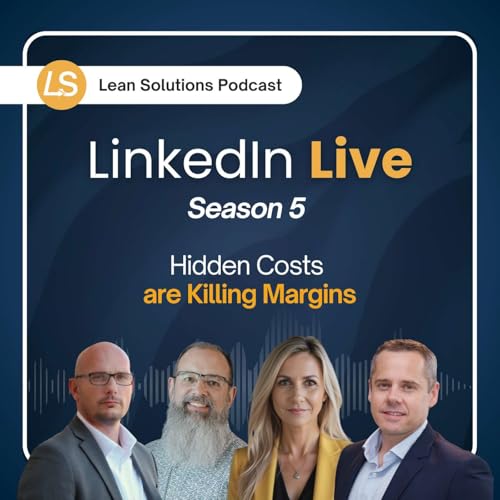
  • Hidden Costs are Killing Margins
    May 5 2026


    What You’ll Learn in This Episode:


    In this episode, Patrick Adams, Catherine McDonald, Shayne Daughenbaugh, and Andy Olrich unpack the hidden costs that quietly erode margins, and why most organizations don’t see them coming.


    You’ll learn how these costs often live outside traditional financial statements, showing up instead as rework, inefficiencies, poor handoffs, and constant interruptions like “hot jobs.” The team shares real-world examples of how these hidden issues build up over time and significantly impact performance.


    The conversation highlights practical ways to uncover these costs, including going to the gemba, mapping processes, making data visible, and engaging teams through consistent one-on-one conversations. They also emphasize the role of leadership in either allowing waste to continue through workarounds or actively eliminating it by creating clarity, standards, and accountability.


    If you’ve ever looked at your financials and wondered where the margin is going, this episode gives you a clear and actionable approach to finding and fixing the leaks.


    Key Takeaways:

    1. Hidden costs don’t show up on financials—but they directly impact margins
    2. Rework, poor flow, and “hot jobs” are major sources of cost leakage
    3. Visibility through data, process mapping, and GEMBA is key to uncovering issues
    4. Leadership behavior determines whether waste is allowed or eliminated


    Links:

    Lean Summit | Findleansolutions
    Lean Solutions | Find Your Lean Solution TODAY!

    Show More Show Less
    40 mins
  • Gemba for Beginners: Why Leaders Need to Go See the Work
    Apr 28 2026

    What You’ll Learn in This Episode:


    In this episode, Patrick Adams and Shayne Daughenbaugh break down the true meaning of GEMBA and why it’s a foundational practice in Lean leadership.


    You’ll learn how going to the “real place” helps leaders move beyond assumptions and understand what’s actually happening in their processes. The conversation highlights why many leaders avoid the gemba. Often due to fear, ego, or lack of clarity. Also, how shifting to a mindset of curiosity, humility, and vulnerability can change everything.


    They also explore how to approach GEMBA in both manufacturing and knowledge work environments, emphasizing the importance of building trust, creating psychological safety, and following up on what you hear.


    If you’ve ever struggled to connect with your team, understand your processes, or drive meaningful improvement, this episode gives you a simple, practical way to start.


    Key Takeaways:

    1. GEMBA is about understanding reality—not relying on assumptions
    2. Leaders should approach the gemba with curiosity, not judgment
    3. Trust is built through consistency, follow-up, and psychological safety
    4. Start small—pick one process, observe, listen, and learn before acting


    Links:

    Lean Solutions Summit

    Lean Solutions Website

    Show More Show Less
    32 mins
  • Better Behaviors, Better Outcomes: How Leaders Drive Change
    Apr 21 2026


    What You’ll Learn in This Episode:


    In this episode, Patrick Adams sits down with Cindy Darnell to explore how behavioral assessments like DISC can transform leadership, communication, and team performance.


    You’ll learn how understanding personality styles helps leaders adapt their communication, reduce conflict, and build stronger relationships across teams. Cindy shares practical examples of how small shifts, like adjusting your level of detail or getting straight to the point, can dramatically improve collaboration and outcomes.


    The conversation also highlights the importance of self-awareness, recognizing strengths over weaknesses, and understanding that behavior is often influenced by unseen factors. Leaders who take the time to understand both themselves and others are better equipped to drive engagement and continuous improvement.


    If you’ve ever struggled with communication challenges or wondered how to better connect with different personalities on your team, this episode provides a practical and insightful starting point.


    Key Takeaways:

    1. Self-awareness is the foundation of effective leadership and communication
    2. Adapting your communication style improves collaboration and results
    3. There is no “right” personality—diverse styles strengthen teams
    4. Focus on strengths, not just weaknesses, to unlock better performance


    Links:
    Lean Solutions Summit

    Lean Solutions Website

    Cindy Darnell's LinkedIn

    Show More Show Less
    29 mins
  • The 10-Minute Improvement
    Apr 14 2026


    What You’ll Learn in This Episode:

    In this episode, Catherine McDonald and Shayne Daughenbaugh explore the power of small, everyday improvements. What they call the “10-minute improvement.”


    Instead of focusing only on large-scale Lean projects, they break down how organizations can unlock hidden opportunities by addressing small frustrations, workarounds, and communication gaps that often go unnoticed.


    You’ll learn how to identify these opportunities, uncover root causes, and create a culture where employees feel empowered to take action. The conversation also highlights the critical role of leadership in fostering psychological safety and encouraging reflection, communication, and continuous improvement at every level.


    If your organization struggles to move beyond big initiatives or overlooks the small issues that slow teams down, this episode offers a simple, practical framework to start making meaningful progress today.


    Key Takeaways:

    1. Small improvements often create the biggest impact over time
    2. Workarounds hide problems—don’t ignore them, fix them
    3. What you tolerate becomes your process standard
    4. Communication and psychological safety are essential for continuous improvement


    Links:

    Lean Solutions 2026 Summit

    Lean Solutions Website

    Show More Show Less
    30 mins
  • Smart Steps in Industry 4.0 (Part 2)
    Apr 7 2026

    What You’ll Learn in This Episode:

    In this episode, Andy Olrich, Patrick Adams, and guest John Broadbent dive into the real starting point of Industry 4.0—shifting from “proof of concept” to “proof of value.”

    You’ll learn why simply collecting machine data isn’t enough, and how to tie that data directly to financial outcomes that matter to leadership. The conversation breaks down practical first steps like digitizing paper processes, improving network infrastructure, and starting small with one machine or process.

    They also explore the hidden risks of technology debt, why many manufacturers are sitting on “ticking time bombs,” and how failing to modernize foundational systems can lead to major operational disruptions.

    If you’ve ever struggled to justify digital investments or felt stuck between old systems and new technology, this episode gives you a clear, practical path forward.

    Key Takeaways:

    1. Proof of value matters more than proof of concept
    2. You can’t improve what you can’t see—data visibility is critical
    3. Start small, but build a strong digital foundation
    4. Ignoring technology debt creates major future risk

    Links:

    Lean Solutions 2026 Summit

    Lean Solutions Website

    https://realisepotential.com.au/
    https://www.linkedin.com/in/johnsbroadbent/

    Show More Show Less
    19 mins
  • Smart Steps in Industry 4.0 (Part 1)
    Mar 31 2026

    What You’ll Learn in This Episode:

    In this episode, Andy Olrich, Patrick Adams, and guest John Broadbent break down what Industry 4.0 really means, and why it’s not as complex or expensive as many think.

    You’ll learn how to start small, connect existing systems, and use data more effectively to improve operations. The conversation highlights why Industry 4.0 is about integration, not technology, and how even simple steps, like auditing spreadsheets or connecting one machine, can kickstart your transformation.

    If you’ve ever thought “we’re not ready for Industry 4.0,” this episode will challenge that belief and give you a practical starting point.

    Key Takeaways:

    1. Industry 4.0 isn’t about technology, it’s about integration

    2. Industry 4.0 is a journey, NOT a one-time project

    3. Visibility is the first step to transformation

    4. Context matters more than data

    Links:

    Lean Solutions 2026 Summit

    Lean Solutions Website

    https://realisepotential.com.au/

    Email: john@realisepotential.com.au

    Show More Show Less
    22 mins