

What Familiar Feels Like
Failed to add items
Add to cart failed.
Add to wishlist failed.
Remove from wishlist failed.
Follow podcast failed
Unfollow podcast failed

What Familiar Feels Like
-
Narrated by:
-
Written by:
Have you ever looked at a relationship and thought—how did Iend up here again?
Not the same person. But the same feeling. The same dynamic. The same patterns playing out in a slightly different set of circumstances.
You were not choosing wrong. Your nervous system was choosing familiar. And familiar and safe are not the same thing—but they feel that way when you grew up in a house where familiar meant surviving.
This episode is about attachment. What it is, where it comes from, how it shapes every relationship you walk into as an adult—and what it means that you can interrupt it.
IN THIS EPISODE
— The four attachment styles: secure, anxious, avoidant, and disorganized—what each one looks like and where it comes from
— The protest polka: why anxious and avoidant partners find each other and what happens between them
— How the opposite-sex parent shapes a child’s template for romantic love
— Why your parents weren’t the only ones who shaped your attachment—and what it meant when someone else was in the room
— How attachment travels into parenting—and what that means for the children watching you now
— Earned security: why you don’t have to have had a secure childhood to become a securely attached adult
— The free attachment style quiz at thefaninthewindow.com/attachment-style-quiz
CONTENT NOTE
This episode discusses childhood trauma, sexual abuse, volatile caregiving environments, and how early relational experiences shape adult attachment. Please listen at your own pace.
In the U.S., call or text 988—free, confidential, 24/7. Outside the U.S.: findahelpline.com. You do not have to navigate this alone.
TAKE THE QUIZ
Free attachment style quiz—solo or with a partner:
thefaninthewindow.com/attachment-style-quiz
GET THE BOOKS
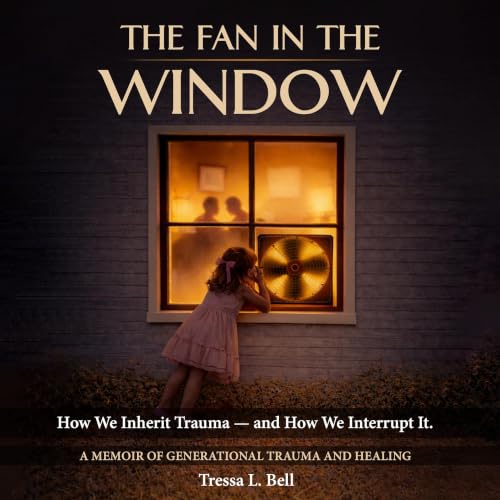
The Fan in the Window: How We Inherit Trauma—And How WeInterrupt It and You Can Interrupt It: A Practical Guide for the Parent Who Inherited Trauma and Swore They’d Do It Differently are both available now on Amazon. If the memoir gave you the story, the companion book gives you theroadmap—built around the Interruption Model™, practical tools for doing the work one pattern at a time.
amazon.com/author/tressalbell
FOLLOW TRESSA
thefaninthewindow.com/podcast
Instagram, Facebook, TikTok, YouTube: @tressalbell
Substack: tressalbell.substack.com
LinkedIn: linkedin.com/in/tressa-l-bell-31830440a
If this episode resonated, please leave a review on ApplePodcasts—it takes less than two minutes and helps new listeners find this work.
This didn’t start with you…but you can interrupt it.