

Season's Savings | ₹5/mo for 3 months
₹199/month after first 3 months. Renews automatically. Terms apply.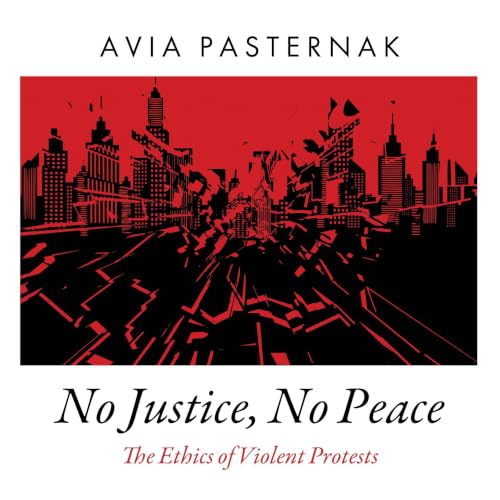
No Justice, No Peace
The Ethics of Violent Protests
Failed to add items
Sorry, we are unable to add the item because your shopping basket is already at capacity.
Add to cart failed.
Please try again later
Add to wishlist failed.
Please try again later
Remove from wishlist failed.
Please try again later
Follow podcast failed
Unfollow podcast failed
₹0.00 for first 30 days
Season's Savings
₹5/month for first 3 months
Offer ends on 28 December, 2026.

Only ₹5/month for first 3 months.
Get 1 credit per month to use on any title of your choice.
Listen to anything from the Plus Catalogue—thousands of audiobooks, podcasts, and Audible Originals.
₹199/month after first 3 months. Cancel anytime. Renews automatically. Offer ends 28 December, 2026.
1 credit a month to use on any title to download and keep
Listen to anything from the Plus Catalogue—thousands of Audible Originals, podcasts and audiobooks
Download titles to your library and listen offline
₹199.00 per month after 30-day trial. Cancel anytime.

No Justice, No Peace
Narrated by:
AI Voice Audovia River
Buy Now for ₹649.64
-
Narrated by:
-
AI Voice Audovia River
-
Written by:
-
Avia Pasternak

This title uses virtual voice narration
Virtual voice is computer-generated narration for audiobooks.
About this listen
adbl_web_anon_alc_button_suppression_t1
No reviews yet