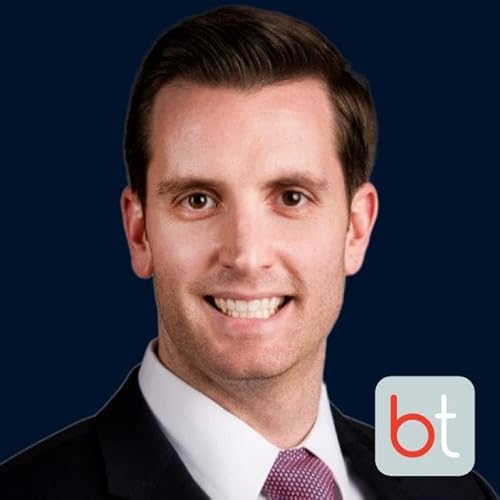
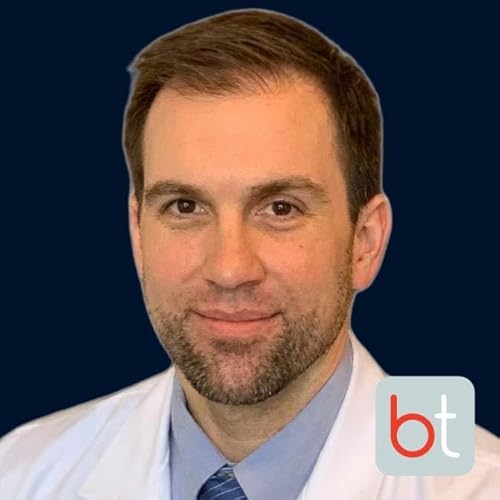
• Ep. 93 Genicular Artery Embolization: Insights & Techniques with Dr. Rachel Piechowiak and Dr. Faraz Khan
    Jan 27 2026
    How is genicular artery embolization reshaping our clinical approach to patients with chronic knee pain? Dr. Rachel Piechowiak and Dr. Faraz Khan, interventional radiologists at IR Centers join Dr. Don Garbett in a deep dive into the current state of Genicular Artery Embolization (GAE). --- SYNPOSIS Dr. Piechowiak and Dr. Khan provide a deep dive on the technical nuances of GAE, covering patient selection, access strategies, and key procedural techniques. The conversation also details complex case scenarios and how to tailor catheters and embolics to navigate challenging anatomy. The doctors then share their structured approach to post-procedure follow-up, underscoring the importance of setting realistic treatment expectations with patients. The episode closes with their perspective on the future of genicular artery embolization, emphasizing the need for robust long-term outcomes data to better define the role of GAE in chronic knee pain management. --- TIMESTAMPS 00:00 - Introduction05:54 - Patient Workup for GAE10:42 - Setting Patient Expectations for GAE16:24 - Procedure Approaches and Techniques30:41 - Understanding Artery Targeting Strategies34:56 - Approaches to Microcatheter Selection38:18 - Choosing the Right Embolic Agents47:43 - Managing Complications and Follow-Ups51:23 - Challenges with Post-TKA Patients54:16 - Future Directions
    Show More Show Less
    57 mins
  • Ep. 92 Understanding Frozen Shoulder: Causes, Symptoms, & Treatment Options with Dr. Sameer Nagda
    Jan 20 2026
    Frozen shoulder is characterized by progressive motion loss, distinct disease stages, and new treatment opportunities; raising important questions about timing, patient selection, and new interventional strategies. In this episode of the BackTable MSK Podcast, guest host Osman Ahmed welcomes orthopedic surgeon and upper extremity specialist Dr. Sameer Nagda to discuss the intricacies of adhesive capsulitis of the shoulder (“frozen shoulder”). --- SYNPOSIS Dr. Nagda shares his expertise on diagnosing and treating frozen shoulder, including the evaluation process, treatment options, and the role of early intervention. He emphasizes the importance of recognizing the stages of frozen shoulder and the potential benefits of embolization, particularly in the inflammatory stage. Dr. Nagda also shares his journey into shoulder specialization and his collaborative efforts with IR specialists to improve patient outcomes. --- TIMESTAMPS 00:00 - Introduction 04:29 - The Run Down: What is Frozen Shoulder?08:37 - Approaching the Diagnosis of Frozen Shoulder13:51 - Treatment Paradigms 22:48 - Comparing Traditional Treatments vs. Embolization26:39 - An Orthopedic Surgeon’s Perspective on Embolization for Frozen Shoulder35:36 - Surgical Options and When to Consider Them 37:55 - Final Thoughts --- RESOURCES Dr. Sameer Nagda, MDhttps://www.sameernagdamd.com/sameer-nagda-md-sports-medicine-specialist-arlington-va.html Adhesive Capsulitis of the Shoulderhttps://journals.lww.com/jaaos/abstract/2011/09000/adhesive_capsulitis_of_the_shoulder.4.aspx Treatment of Adhesive Capsulitis of the Shoulderhttps://journals.lww.com/jaaos/abstract/2019/06150/treatment_of_adhesive_capsulitis_of_the_shoulder.3.aspx
    Show More Show Less
    42 mins
  • Ep. 91 Pathologic Fracture Fixation: Pelvic & Sacral Bone Stabilization Techniques with Dr. Brandon Key
    Jan 6 2026
    Your bony fixation technique can make (or break) a complex fracture case. In this episode of the BackTable MSK Podcast, host Kavi Krishnasamy welcomes Dr. Brandon Key, interventional radiologist at Medical College of Wisconsin (MCW) in Milwaukee, to discuss bone stabilization techniques in treating pathologic and non-pathologic fractures. --- SYNPOSIS Dr. Key shares insights into his practice, highlighting the importance of multidisciplinary collaboration with orthopedic surgery, the challenges of training in bony fixation, and the evolving technology that aids in these procedures, including the use of IlluminOss Photodynamic nails in complex bone interventions. Several detailed case studies illustrate the practical application and benefits of these advanced techniques, emphasizing their impact on patient outcomes and functionality. --- TIMESTAMPS 00:00 - Introduction02:06 - A Run Down of Bone Stabilization in the IR Space12:54 - What’s in the Toolbox?17:51 - Patient Preparation and Procedure Setup29:47 - Combining Fixation with Thermal Ablation34:12 - Introducing the Photodynamic Nail by IlluminOss40:22 - “The Learning Curve” of the Photodynamic Nail47:48 - Dr. Key’s Guidance for Practice Building 52:01 - Literature Highlights on IlluminOss 55:01 - Case 1: Anterior Column Disease 01:01:27 - Case 2: Isolated Posterior Column Disease 01:05:37 - Case 3: Non-healing Pathologic Fracture of Pubic Ramus01:09:37 - Case 4: Iliac Wing Fixation with Orthopedic Surgery01:15:40 - Case 5: Sacral Defects01:19:45 - Case 6: Reconstruction of Posterior Iliac Wing 01:23:50 - Post-Procedure Outcomes and Reflections01:29:02 - Final Thoughts: Encouragement for Collaboration and Innovation --- RESOURCES Dr. Brandon Key, MDhttps://www.linkedin.com/in/brandon-key-md-367a01310/ A Prospective Study of the IlluminOss Photodynamic Nail System for Pelvic Stabilization: Treatment of Impending and Actual Fractures from Metastatic Bone Disease, Multiple Myeloma, and Primary Bone Lymphomahttps://pubmed.ncbi.nlm.nih.gov/39281295/ Minimally Invasive Stabilization Using Screws and Cement for Pelvic Metastases: Technical Considerations for the Pelvic "Screw and Glue" Techniquehttps://pubmed.ncbi.nlm.nih.gov/31435131/ IlluminOsshttps://illuminoss.com/us Flow-FXhttps://flow-fx.net/products/
    Show More Show Less
    1 hr and 32 mins
  • Ep. 90 Thermoprotection Techniques in Musculoskeletal Ablations Part II with Dr. Alan Sag
    Dec 30 2025
    How to stay cool when a thermal ablation case gets complicated? Your toolbox can make all the difference. In this episode of the BackTable MSK Podcast, Dr. Alan Sag returns with host Dr. Jacob Fleming to continue the discussion on thermal protection in musculoskeletal ablation procedures. Part 2 focuses on real-world cases to provide practical insights and illustrate decision-making in complex thermal ablation cases. --- SYNPOSIS Dr. Sag and Dr. Fleming discuss thermoprotection strategies in real-world cases, such as radiofrequency ablation (RFA) of inoperable rectal cancer and sacral metastases near nerve roots. They also discuss the importance of interdisciplinary collaboration, emerging technologies in the field, and the role of intraoperative neuromonitoring. --- TIMESTAMPS 00:00 - Introduction00:55 - Ganglion Impar and Pelvic Pain Strategies09:08 - The Active Thaw Phenomenon18:20 - Nerve Protection During Ablations23:16 - Motor and Sensory Neuromonitoring34:06 - Temperature Management in Ablative Procedures40:28 - Dosing Strategies for Gabapentin and Lyrica in Nerve Injuries42:33 - Future Directions --- RESOURCES Dr. Alan Alper Sag, M.D., FSIRhttps://med.miami.edu/faculty/alan-alper-sag-md-fsir Thermal Protection: Heightened Safety for Minimally Invasive Percutaneous Ablation of Musculoskeletal Tumorshttps://pubs.rsna.org/doi/10.1148/rg.240238 Intraoperative Neuromonitoring for Peripheral Nerve Surgeryhttps://mayoclinic.elsevierpure.com/en/publications/intraoperative-neuromonitoring-for-peripheral-nerve-surgery/
    Show More Show Less
    48 mins
  • Ep. 89 Thermoprotection Techniques in Musculoskeletal Ablations Part I with Dr. Alan Sag
    Dec 16 2025
    Burns = big consequences. Let’s talk thermoprotection. In this episode of the BackTable MSK Podcast, host Jacob Fleming welcomes longtime friend and colleague Dr. Alan Sag to discuss thermoprotection in musculoskeletal ablation procedures over this two-part episode series. Part 1 focuses on established strategies and new techniques for protecting critical structures during ablation. --- SYNPOSIS Dr. Sag shares how he approaches thermoprotection in complex MSK ablation cases. The discussion covers hydro-dissection techniques, hydro convection needle strategies, pump and tubing set up, troubleshooting, and visualization of the protective layer. --- TIMESTAMPS 00:00 - Introduction02:49 - Thermoprotection 10112:37 - Skin Injury and Mitigation Strategies18:57 - Avoiding Bottlenecks with Hydrodissection23:49 - Practical Recommendations for Cold Skin Protection 29:36 - Managing Complications and Wound Care38:12 - Heating up with RFA and Microwave Ablations --- RESOURCES Dr. Alan Alper Sag, M.D., FSIRhttps://med.miami.edu/faculty/alan-alper-sag-md-fsir Thermal Protection: Heightened Safety for Minimally Invasive Percutaneous Ablation of Musculoskeletal Tumorshttps://pubs.rsna.org/doi/10.1148/rg.240238 Intraoperative Neuromonitoring for Peripheral Nerve Surgeryhttps://mayoclinic.elsevierpure.com/en/publications/intraoperative-neuromonitoring-for-peripheral-nerve-surgery/
    Show More Show Less
    43 mins
  • Ep. 88 Bone Tumor Ablation: Techniques & Outcomes with Dr. Damian Dupuy
    Dec 2 2025
    Ablate before you radiate. Success with bone tumor ablation may have as much to do with your procedure technique as it does with your ability to collaborate. In this episode of BackTable MSK, interventional oncologist Dr. Damian Dupuy shares his approach to bone tumor ablation with host Dr. Kavi Krishnasamy, and offers practical advice on how to partner with your cancer care team to make ablation a viable treatment option. --- This podcast is supported by: Medtronic Osteocool https://www.medtronic.com/en-us/healthcare-professionals/products/surgical-energy/ablation/radiofrequency-ablation/systems/osteocool-2-0-bone-tumor-ablation-system.html --- SYNPOSIS The doctors review the history of bone ablation techniques, including radiofrequency and cryoablation modalities. They discuss the significance of targeting the bone-tumor interface for pain palliation and highlight several case studies to illustrate various techniques and successful outcomes. The conversation also touches upon the synergistic benefits of combining ablation with radiation therapy and emphasizes the importance of multidisciplinary collaboration in treating cancer patients. --- TIMESTAMPS 00:00 - Introduction02:07 - Dr. Dupuy’s Start in Bone Ablation06:29 - Cryo vs. Microwave Therapies08:25 - Dr. Dupuy’s Clinical Trial and Research Involvement 12:49 - Patient Selection and Treatment Strategies25:54 - Sedation and Anesthesia Practices in Bone Ablation28:46 - Treatment Approach: Oligometastases vs. Progressive Disease36:22 - Microwave Ablation in Bone: Future Prospects37:30 - Techniques for Treating Sclerotic and Lytic Lesions40:01 - Skin Protection Methods in Superficial Lesion Treatments41:49 - Reviewing Recent Clinical Trials: MOTION, OPuS One, and More52:35 - Case Studies: Achieving Effective Ablation Techniques01:08:08 - Final Thoughts and Recommendations --- RESOURCES Dr. Damian E. Dupuy, MD, FACRhttps://www.linkedin.com/in/damian-e-dupuy-md-facr-6b080b1b/ Solitary painful osseous metastases: correlation of imaging features with pain palliation after radiofrequency ablation--a multicenter american college of radiology imaging network studyhttps://pubmed.ncbi.nlm.nih.gov/23657892/ Radiofrequency Ablation Provides Rapid and Durable Pain Relief for the Palliative Treatment of Lytic Bone Metastases Independent of Radiation Therapy: Final Results from the OsteoCool Tumor Ablation Post-Market Studyhttps://pmc.ncbi.nlm.nih.gov/articles/PMC10156864/ Cryoablation for Palliation of Painful Bone Metastases: The MOTION Multicenter Studyhttps://pmc.ncbi.nlm.nih.gov/articles/PMC8011449/ A Multi-Center Observational Trial of Symptomatic, High-Risk Bone Metastases Treated with Percutaneous Ablation and Palliative Radiation Therapy (TRIBUTE)https://clinicaltrials.gov/study/NCT06859801
    Show More Show Less
    1 hr and 11 mins
  • Ep. 87 Advanced Techniques in Orthopedic Oncology: Bone Ablation for Skeletal Metastases with Dr. Francis Lee
    Nov 11 2025
    “We learn traditionally that bone metastasis is terminal.” 一 Or is it? In this episode of the BackTable MSK podcast, host Dr. Jacob Fleming welcomes Dr. Francis Lee, a leading figure in orthopedic oncology, to discuss advancements in treating skeletal metastasis. Dr. Lee, the Wayne O. Southwick Professor from Yale and President-elect of the Musculoskeletal Tumor Society, shares his innovative AORIF (Ablation, Osteoplasty, Reinforcement and Internal Fixation) technique, which emphasizes collaboration between orthopedic oncologists and interventional radiologists. --- This podcast is supported by an educational grant from Medtronic. --- SYNPOSIS The conversation covers the complexities of bone metastasis, the biomechanics of skeletal ablation, and the importance of understanding bone-cancer interactions. Dr. Lee also shares insights from his translational research on cancer and bone dynamics, and emphasizes the need for continued interdisciplinary collaboration to drive forward minimally invasive treatments. --- TIMESTAMPS 00:00 - Introduction 01:39 - Crash Course: Orthopedic Oncology 10113:24 - The Important Role of Biomechanics20:10 - Dr Lee’s Training and Interdisciplinary Collaboration28:13 - Intraoperative Imaging and Techniques in AORIF40:15 - Cannulated Screws for Access and Fixation 42:24 - Case Study: Sacral Insufficiency Fracture and Cement Injection44:17 - Understanding Cement Properties and Application46:45 - Case Study Series: Approach to Reconstruction57:58 - Decision Making in Complex Procedures01:08:40 - The Power of Bone Regeneration01:12:31 - Final Thoughts --- RESOURCES Dr. Francis Lee, MD, PhD, FAAOS, MBAhttps://medicine.yale.edu/profile/francis-lee/ Minimally Invasive Image-Guided Ablation, Osteoplasty, Reinforcement, and Internal Fixation (AORIF) for Osteolytic Lesions in the Pelvis and Periarticular Regions of Weight-Bearing Boneshttps://pubmed.ncbi.nlm.nih.gov/32139256/
    Show More Show Less
    1 hr and 16 mins
  • Backtable Brief: Pain Management Strategies in Spine Oncology with Dr. Ran Lador and Dr. Mark Amsbaugh
    Nov 4 2025
    Living in the best of both worlds: balancing pain management and quality of life. In this BackTable MSK Brief, Dr. Mark Amsbaugh and Dr. Ran Lador discuss multidisciplinary approaches to treating spinal tumors with a particular focus on pain management. They explore the complexities of defining and treating pain related to spinal tumors, differentiating between mechanical instability, tumor burden, and neuropathic pain. The conversation delves into the roles of various treatments including opioids, radiation, nerve blocks, cryoablation, and surgical interventions. They highlight the evolving landscape of spine oncology, emphasizing the need for holistic approaches and the promising future of integrating advanced technologies for better patient outcomes. Episode Outline 00:00 - Introduction 00:53 - Approach to Pain Management in Spine Oncology 02:54 - Multimodal Analgesia 04:25 - What is a Safe Radiation Dose that Spares Spinal Nerves? 07:59 - The Balance Between Quality of Life and Pain Management 09:58 - Final Remarks Resources Dr. Mark Amsbaugh, MD https://med.uth.edu/neurosciences/dr-mark-j-amsbaugh-md/ Dr. Ran Lador, MD https://med.uth.edu/ortho/2022/11/02/ran-lador-md/ Dr. Alexa Levey, MD https://medicine.yale.edu/profile/alexa-levey/
    Show More Show Less
    13 mins