• Why Yard Automation Is Harder Than Autonomous Trucking
    May 25 2026

    Send me a message

    Most supply chains talk about AI and automation. Meanwhile, many yards are still running on pen, paper, radio calls, and chaos.

    In this episode of the Resilient Supply Chain Podcast, I’m joined by Adam Newsome, CEO of Lazer Logistics, Blaine Dirker, CTO at Lazer and leader of Yard Nexus, and Pini Usha, CEO of Buffers AI, to unpack one of the most overlooked bottlenecks in modern logistics: the yard.

    And this matters far more than most companies realise.

    We explore why yard operations have become a critical pressure point for supply chain resilience, visibility, labour efficiency, and operational performance. You’ll hear how fragmented data, disconnected systems, and poor forecasting ripple across transport, warehousing, inventory, and customer service. We also break down why yard automation may actually be harder than autonomous trucking because of the sheer number of constantly changing variables happening simultaneously in confined spaces.

    You might be surprised to learn how many facilities still rely heavily on clipboards, spreadsheets, and manual processes despite massive investment in digital transformation elsewhere in the supply chain. Kismet: Lazer manages more than 30 million trailer moves annually across North America, so the operational realities discussed here are happening at enormous scale, not in theory.

    If you care about supply chain resilience, logistics visibility, operational risk, AI, automation, labour challenges, or execution under pressure, this episode connects the dots in a very practical way.

    🎙️ Listen now to hear how Lazer Logistics, Yard Nexus, and Buffers AI are rethinking supply chain visibility and execution where the physical world meets operational reality.

    Executive Wins Podcast

    The Executive Wins Podcast features inspiring Executives who share their biggest wins.

    Listen on: Apple Podcasts Spotify

    Support the show


    Podcast supporters
    I'd like to sincerely thank this podcast's generous Subscribers:

    • Alicia Farag
    • Kieran Ognev
    • Gary Lynch

    And remember you too can become a Resilient Supply Chain+ subscriber - it is really easy and hugely important as it will enable me to continue to create more excellent episodes like this one and give you access to bonus episodes of topical, timely supply chain resilience analysis.

    Podcast Sponsorship Opportunities:
    If you/your organisation is interested in sponsoring this podcast - I have several options available. Let's talk!

    Finally
    If you have any comments/suggestions or questions for the podcast - feel free to just send me a direct message on LinkedIn, or send me a text message using this link.

    If you liked this show, please don't forget to rate and/or review it. It makes a big difference to help new people discover it.

    Thanks for listening.

    Show More Show Less
    46 mins
  • When Critical Software Becomes a Supply Chain Risk
    May 18 2026

    Send me a message

    What happens when the software your business depends on simply disappears?

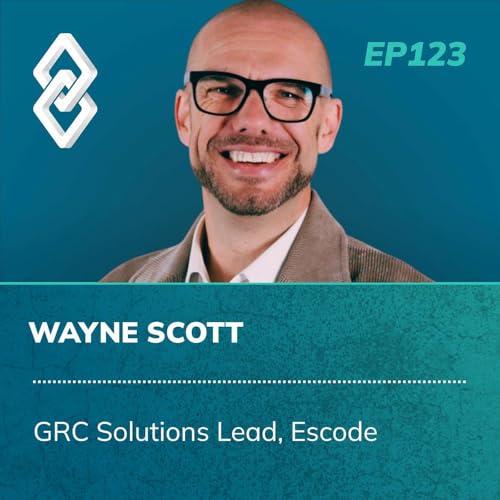
    In this episode of Resilient Supply Chain, I’m joined by Wayne Scott, GRC Solutions Lead at Escode, the world’s largest source code and cloud escrow provider. We talk about a risk hiding in plain sight: critical software, SaaS platforms, and cloud services that businesses depend on every day, but may not be able to keep running if a supplier fails.

    You’ll hear how supplier risk is shifting from a procurement issue to a board-level supply chain resilience concern. Wayne explains why outsourcing a service does not mean outsourcing responsibility, and why concentration risk in software and cloud infrastructure can quickly become operational disruption. In his words, it’s like buying a car from a manufacturer, then watching the car disappear when the manufacturer goes bust. Absurd. And yet, with software, we do it every day. Because apparently business continuity needed one more trapdoor.

    We also break down why visibility, data, fourth-party dependencies, and stressed exit planning matter far beyond financial services. From SaaS services that can go instantly dark, to AI reshaping the viability of software suppliers, this is a conversation about resilience before the failure, not panic after it.

    For supply chain, operations, procurement, sustainability, and risk leaders, the practical question is simple: if a critical provider failed tomorrow, could you keep operating?

    🎙️ Listen now to hear how Wayne Scott and Escode are reframing supplier risk, software resilience, and the hidden dependencies keeping modern supply chains moving.

    Executive Wins Podcast

    The Executive Wins Podcast features inspiring Executives who share their biggest wins.

    Listen on: Apple Podcasts Spotify

    Support the show


    Podcast supporters
    I'd like to sincerely thank this podcast's generous Subscribers:

    • Alicia Farag
    • Kieran Ognev
    • Gary Lynch

    And remember you too can become a Resilient Supply Chain+ subscriber - it is really easy and hugely important as it will enable me to continue to create more excellent episodes like this one and give you access to bonus episodes of topical, timely supply chain resilience analysis.

    Podcast Sponsorship Opportunities:
    If you/your organisation is interested in sponsoring this podcast - I have several options available. Let's talk!

    Finally
    If you have any comments/suggestions or questions for the podcast - feel free to just send me a direct message on LinkedIn, or send me a text message using this link.

    If you liked this show, please don't forget to rate and/or review it. It makes a big difference to help new people discover it.

    Thanks for listening.

    Show More Show Less
    40 mins
  • AI in Supply Chain: Automation Is Not Autonomy
    May 11 2026

    Send me a message

    Can AI make better supply chain decisions, or just make bad ones faster?

    In this episode of Resilient Supply Chain, I’m joined by Simon Bezrukov, Chief AI Officer at Bristlecone, for a grounded conversation about AI in supply chain, resilience, risk, data, visibility, and the uncomfortable bit nobody likes to put on the first slide: accountability.

    Simon’s core point is sharp: AI agents are great at doing the paperwork of decisions, but they’re not yet great at owning the consequences. And that matters now because supply chains are under pressure from volatility, geopolitical shocks, cost constraints, sustainability demands, and the growing temptation to automate first and ask governance questions later. A marvellous human habit, really.

    You’ll hear how agentic AI can help with micro-decisions, missing data, supplier communications, replanning, and playbook orchestration, but also why autonomy without guardrails risks creating “fast and confident mistakes”. We break down why LLMs are brilliant explainers, but not supply chain decision engines, especially when the real problem is optimisation across service, cost, cash, carbon, and risk.

    You might be surprised to learn why more data does not always mean better forecasts, why stress testing may matter more than forecast precision, and why a smaller, well-governed model can beat a perfect digital twin nobody trusts. Simon also explains why human expertise is not being replaced. It is being amplified. For better and worse.

    🎙️ Listen now to hear how Bristlecone is cutting through the AI hype and helping build more resilient, practical, and sustainable supply chains.

    Executive Wins Podcast

    The Executive Wins Podcast features inspiring Executives who share their biggest wins.

    Listen on: Apple Podcasts Spotify

    Support the show


    Podcast supporters
    I'd like to sincerely thank this podcast's generous Subscribers:

    • Alicia Farag
    • Kieran Ognev
    • Gary Lynch

    And remember you too can become a Resilient Supply Chain+ subscriber - it is really easy and hugely important as it will enable me to continue to create more excellent episodes like this one and give you access to bonus episodes of topical, timely supply chain resilience analysis.

    Podcast Sponsorship Opportunities:
    If you/your organisation is interested in sponsoring this podcast - I have several options available. Let's talk!

    Finally
    If you have any comments/suggestions or questions for the podcast - feel free to just send me a direct message on LinkedIn, or send me a text message using this link.

    If you liked this show, please don't forget to rate and/or review it. It makes a big difference to help new people discover it.

    Thanks for listening.

    Show More Show Less
    40 mins
  • Why Cross-Border Logistics Has No Spare Days Left
    May 4 2026

    Send me a message

    If one jammed parcel can cost you a day, what does that say about your supply chain visibility?

    In this episode of Resilient Supply Chain, I’m joined by James Edge, CEO of Landmark Global, the cross-border e-commerce logistics arm of Bnode Group. James works right at the messy intersection of logistics, tariffs, customs, data, visibility, final mile, and customer expectations. In other words, all the quiet machinery that makes global shopping feel simple. Until it doesn’t.

    You’ll hear how cross-border logistics has moved from “it’ll arrive eventually” to “why isn’t this as fast as domestic delivery?” That shift is putting real pressure on fulfilment networks, inventory placement, customs processes, and last-mile partners. James breaks down why tariffs can suddenly make a Canadian warehouse more sensible than shipping one parcel at a time from the US, and why the wrong fulfilment model can quietly eat margin before anyone in the boardroom notices. Always lovely when geopolitics turns into warehouse maths.

    We also get into the changing final mile, from traditional carriers to DoorDash-style delivery networks, electric vehicles, lockers, reverse logistics, and the growing role of real-time data. And you might be surprised to learn that the unexpected hero here isn’t AI. It’s the scan. That small, boring data event can be the difference between saving a day and missing a truck cutoff.

    🎙️ Listen now to hear how James Edge and Landmark Global are helping rethink supply chain resilience, sustainability, risk, data, and visibility in cross-border logistics.

    Executive Wins Podcast

    The Executive Wins Podcast features inspiring Executives who share their biggest wins.

    Listen on: Apple Podcasts Spotify

    Support the show


    Podcast supporters
    I'd like to sincerely thank this podcast's generous Subscribers:

    • Alicia Farag
    • Kieran Ognev
    • Gary Lynch

    And remember you too can become a Resilient Supply Chain+ subscriber - it is really easy and hugely important as it will enable me to continue to create more excellent episodes like this one and give you access to bonus episodes of topical, timely supply chain resilience analysis.

    Podcast Sponsorship Opportunities:
    If you/your organisation is interested in sponsoring this podcast - I have several options available. Let's talk!

    Finally
    If you have any comments/suggestions or questions for the podcast - feel free to just send me a direct message on LinkedIn, or send me a text message using this link.

    If you liked this show, please don't forget to rate and/or review it. It makes a big difference to help new people discover it.

    Thanks for listening.

    Show More Show Less
    39 mins
  • Measure First: Stop Spending on the Wrong Carbon Fixes
    Apr 27 2026

    Send me a message

    What if your biggest carbon win is not where your team is looking?

    In this episode of Resilient Supply Chain, I’m joined by John Beath, CEO and Chief Technical Director of John Beath Environmental. John brings a process engineer’s eye to sustainability, which means fewer slogans and far more practical questions about supply chain resilience, risk, data, visibility, and what actually moves the emissions number.

    You’ll hear how companies often spend huge effort on visible fixes while missing the real hotspots buried in raw materials, suppliers, logistics, waste, and Scope 3 emissions. John shares a brilliant example of a company working hard to remove styrofoam cups from a cafeteria, when a tiny thermostat change could have had a far larger impact. Painful? Slightly. Useful? Absolutely.

    We break down why lifecycle assessment matters, why primary supplier data beats assumptions, and why “greener” materials do not always reduce your footprint. You might be surprised to learn that one solar panel manufacturer thought silicon was the issue, only to discover the aluminium frame was the real carbon culprit. Changing that cut the product footprint in half.

    We also get into cost, green claims, recycling, waste, clinical trials, patient travel, and why carbon measurement only matters if it leads to better business decisions.

    🎙️ Listen now to hear John Beath explain how better data can help leaders stop chasing the wrong carbon fixes.

    Executive Wins Podcast

    The Executive Wins Podcast features inspiring Executives who share their biggest wins.

    Listen on: Apple Podcasts Spotify

    Support the show


    Podcast supporters
    I'd like to sincerely thank this podcast's generous Subscribers:

    • Alicia Farag
    • Kieran Ognev
    • Gary Lynch

    And remember you too can become a Resilient Supply Chain+ subscriber - it is really easy and hugely important as it will enable me to continue to create more excellent episodes like this one and give you access to bonus episodes of topical, timely supply chain resilience analysis.

    Podcast Sponsorship Opportunities:
    If you/your organisation is interested in sponsoring this podcast - I have several options available. Let's talk!

    Finally
    If you have any comments/suggestions or questions for the podcast - feel free to just send me a direct message on LinkedIn, or send me a text message using this link.

    If you liked this show, please don't forget to rate and/or review it. It makes a big difference to help new people discover it.

    Thanks for listening.

    Show More Show Less
    55 mins
  • The Logistics Blind Spot Hurting Cost, Service, and Emissions
    Apr 20 2026

    Send me a message

    What if your supply chain isn’t underperforming, you just can’t see it clearly enough? Cost, service, and emissions all suffer when logistics data is fragmented.

    In this episode of the Resilient Supply Chain podcast, I’m joined by Constantine Komodromos, founder of VesselBot, to explore a problem hiding in plain sight: most companies still don’t have a single, real-time view of their logistics operations. And in a world of tariff shocks, geopolitical disruption, and rising pressure around sustainability and resilience, that lack of visibility is no longer a technical nuisance. It’s a strategic risk.

    We dig into why historical averages and patchy reporting can distort transport decisions, and why better data visibilitycan change far more than emissions reporting. You’ll hear how granular, shipment-level insight can uncover outdated contracts, low truck and container utilisation, and operational waste that quietly drives up both cost and carbon. We break down why supply chain resilience increasingly depends on seeing cost to serve, time to serve, and emissions to serve in one place, not across disconnected systems and spreadsheets.

    You might be surprised to learn that some of the biggest wins don’t come from grand sustainability initiatives at all, but from spotting simple inefficiencies hidden inside day-to-day logistics. This is a conversation about sustainability, yes, but also about risk, decision-making, and the competitive advantage that comes from finally seeing your operations as they really are.

    🎙️ Listen now to hear how Constantine Komodromos and VesselBot are challenging old assumptions about supply chain resilience, logistics visibility, sustainability, and data-driven decision-making.

    Interestingly

    Executive Wins Podcast

    The Executive Wins Podcast features inspiring Executives who share their biggest wins.

    Listen on: Apple Podcasts Spotify

    Support the show


    Podcast supporters
    I'd like to sincerely thank this podcast's generous Subscribers:

    • Alicia Farag
    • Kieran Ognev
    • Gary Lynch

    And remember you too can become a Resilient Supply Chain+ subscriber - it is really easy and hugely important as it will enable me to continue to create more excellent episodes like this one and give you access to bonus episodes of topical, timely supply chain resilience analysis.

    Podcast Sponsorship Opportunities:
    If you/your organisation is interested in sponsoring this podcast - I have several options available. Let's talk!

    Finally
    If you have any comments/suggestions or questions for the podcast - feel free to just send me a direct message on LinkedIn, or send me a text message using this link.

    If you liked this show, please don't forget to rate and/or review it. It makes a big difference to help new people discover it.

    Thanks for listening.

    Show More Show Less
    39 mins
  • If You Can’t Measure Emissions, You May Pay More
    Apr 13 2026

    Send me a message

    What happens when weak carbon data stops being a reporting problem and starts raising your cost of capital?
    Because that’s no longer hypothetical. It’s starting to hit financing, insurance, and risk in the real world.

    In this episode, I’m joined by Cynthia Lai, former banker, executive coach, and board advisor, with nearly 20 years’ experience in tier-one banking, including HSBC and Bank of China. We dig into why this matters now for supply chain resilience, sustainability, risk, data, and visibility. The big shift? Banks and insurers are increasingly treating emissions data as a risk signal, not a box-ticking exercise.

    You’ll hear how weak or missing carbon data can push companies into a higher-risk bucket, raising borrowing costs and insurance premiums. We break down why Scope 3 is no longer just an ESG reporting issue, but a commercial one with real consequences for supply chain leaders. And you might be surprised to learn that if you don’t provide the data, the market may fill in the blanks for you using proxy figures you probably won’t like.

    We also get practical. Cynthia lays out an 80/20 approach to getting started: focus on the 20% of suppliers driving 80% of the impact, build a workable heat map, and start the conversation before perfect data arrives. Because in this environment, having a credible plan may matter almost as much as having the final numbers.

    🎙️ Listen now to hear how Cynthia Lai connects sustainability data, financing, insurance, and supply chain resilience in a way every senior leader should understand.

    Executive Wins Podcast

    The Executive Wins Podcast features inspiring Executives who share their biggest wins.

    Listen on: Apple Podcasts Spotify

    Support the show


    Podcast supporters
    I'd like to sincerely thank this podcast's generous Subscribers:

    • Alicia Farag
    • Kieran Ognev
    • Gary Lynch

    And remember you too can become a Resilient Supply Chain+ subscriber - it is really easy and hugely important as it will enable me to continue to create more excellent episodes like this one and give you access to bonus episodes of topical, timely supply chain resilience analysis.

    Podcast Sponsorship Opportunities:
    If you/your organisation is interested in sponsoring this podcast - I have several options available. Let's talk!

    Finally
    If you have any comments/suggestions or questions for the podcast - feel free to just send me a direct message on LinkedIn, or send me a text message using this link.

    If you liked this show, please don't forget to rate and/or review it. It makes a big difference to help new people discover it.

    Thanks for listening.

    Show More Show Less
    31 mins
  • Why the Ceasefire Won’t Fix Supply Chain Risk
    Apr 10 2026

    Send me a message

    A ceasefire is in place, so why are supply chains still under pressure?
    Because a half-open chokepoint can be harder to manage than a fully closed one.

    In this second bonus episode of Resilient Supply Chain+, I break down what the war on Iran means for supply chain resilience, sustainability, risk, data, and visibility over the next 6-12 months. This isn’t about headline panic. It’s about what happens when disruption becomes friction, when shipping is still moving but at higher cost, with more uncertainty, more surcharges, and less room for error.

    You’ll hear how I separate the risks into three buckets: sectors facing acute operational exposure, sectors facing cost and margin pressure, and sectors facing second-order inflation exposure. We break down why fertiliser and sulphur may matter as much as oil, why “manageable” freight markets are not the same as healthy ones, and why adaptation, rerouting, and reserve releases buy time but don’t remove dependency.

    You might be surprised to learn why the war is also accelerating interest in electric vehicles, renewables, storage, and electrified operations. Not because they solve everything, but because every kilometre electrified is one less kilometre exposed to imported oil shocks.

    Most importantly, I lay out the practical playbook: what supply chain leaders should review in the next 7 days, what contracts to revisit in the next 30, and why energy security and supply chain resilience are now the same conversation.

    🎙️ Listen now to hear how this war is reshaping the future of resilient, sustainable supply chains.

    Support the show


    Podcast supporters
    I'd like to sincerely thank this podcast's generous Subscribers:

    • Alicia Farag
    • Kieran Ognev
    • Gary Lynch

    And remember you too can become a Resilient Supply Chain+ subscriber - it is really easy and hugely important as it will enable me to continue to create more excellent episodes like this one and give you access to bonus episodes of topical, timely supply chain resilience analysis.

    Podcast Sponsorship Opportunities:
    If you/your organisation is interested in sponsoring this podcast - I have several options available. Let's talk!

    Finally
    If you have any comments/suggestions or questions for the podcast - feel free to just send me a direct message on LinkedIn, or send me a text message using this link.

    If you liked this show, please don't forget to rate and/or review it. It makes a big difference to help new people discover it.

    Thanks for listening.

    Show More Show Less
    17 mins