Episodes

  • Ep 40 We Cannot Protect What We Do Not Name
    Jul 7 2026

    Send us Fan Mail

    A single political moment can expose a deeper truth: if you don’t name yourself, someone else will. We start with our reaction to a State of the Union flashpoint and use it to talk plainly about power, representation, and why public disrespect is rarely “just a moment” when demographics, coalitions, and incentives are moving fast.

    From there, we dig into identity and what we call destiny swapping, the idea that origin stories can be used to detach Black Americans from land, inheritance, and confidence. We talk about how the church and other trusted institutions can shape what people believe, how they vote, and what narratives feel “safe” to repeat. We also challenge listeners to separate emotion from evidence and to stop outsourcing identity to headlines, celebrities, or inherited talking points.

    Then we get detailed with Bible-based geography, testing popular assumptions against environmental clues mentioned in scripture: bears in woods, lions in snow, whirlwinds, hail, overflowing riverbanks, cedar trees, corn, and even gopher wood. Whether you agree with our conclusions or not, we lay out the framework we use and why we think genealogy and primary-source study matter more than internet certainty. If you care about Black American ancestry, indigenous heritage, the promised land debate, and biblical geography, this conversation will give you a lot to research.

    Subscribe, share this with a friend who loves deep dives, and leave a review with your biggest question after listening: what piece of evidence would you need to change your mind?

    Support the show

    Show More Show Less
    1 hr and 13 mins
  • Ep 39 Questioning the Slave Trade Story Through Genealogy
    Jul 6 2026

    Send us Fan Mail

    A lot of us can trace our people through the South with names, plots, and paperwork, yet we’re still told our story starts somewhere else. That tension is where this conversation begins, as we sit down with Morah Yaqob and Latoria “Tori” G to wrestle with what genealogy, land records, and long family timelines might imply about indigenous identity in the United States.

    We question mainstream narratives around slavery by looking at how records are framed, what databases can and cannot prove, and how labels can flatten complex histories. From there, we explore a controversial and rarely discussed angle: the trans-Pacific slave trade and the Spanish colonial category “Chino,” including the claim that some “Chinos” were later treated under law as “Indians.” We also talk through how media imagery shapes who people picture as “Native,” and why those assumptions can make honest research harder.

    Then we go deeper into the Bible-based argument the guests bring, comparing scriptural descriptions of a promised land that is “well watered” with present-day geography and water scarcity in the Middle East. Whether you agree, disagree, or land somewhere in the middle, we lay out the logic step by step and keep coming back to the same standard: bring sources, define terms, and follow evidence where it leads.

    If this challenged you, share it with someone who loves history and research, and leave a review so more people can find the series. Subscribe now, and come back with your receipts for the next conversation.

    Support the show

    Show More Show Less
    1 hr and 36 mins
  • Ep 38 We Cannot Unite Until We Build Trust
    Jul 4 2026

    Send us Fan Mail

    The heat is real, but the tension in the country feels even hotter. We start by chopping it up about working outside, staying hydrated, and how fast a normal day can turn dangerous when summer hits hard. Then we zoom out to the bigger question that has everybody on edge: why does it feel like people are being pushed to hate each other, and how do we actually move forward as neighbors instead of rivals?

    We get into political agendas, corruption, systemic racism, and the uncomfortable history that sits underneath “when was America good” and “good for who.” From there, we talk solutions that start closer to home: group economics, community trust, and rebuilding solidarity inside our own circles before we expect unity across the whole country. We also break down how people find common ground in unexpected places, like sports crowds, and why conflict can unite faster than peace.

    Culture takes a big spotlight too. We debate hip hop’s roots as a unifying force, why modern rap can feel like it keeps people angry and stuck, and how authenticity matters when artists age into a new era. We also hit parenting and resilience, including bullying, “gentle parenting,” and the reality that consequences exist whether we like them or not. We close on purpose and creativity: making music for the Most High, creating with substance, and accepting that success is not always fame.

    If you’re tired of surface-level takes and want a real conversation that challenges your perspective, tap in. Subscribe, share this with a friend, and leave a review with the one idea you think could actually help people come together.

    Support the show

    Show More Show Less
    1 hr and 22 mins
  • Ep 37 Rebuilding Black Family Strength
    Apr 19 2026

    Send us Fan Mail

    The story of the Black family in America is often reduced to slogans and blame, but the real picture is deeper, more human, and far more actionable. We unpack what “family structure” actually means, how values and language move across generations, and why household patterns can’t be separated from the forces that shaped them. From slavery’s forced separations to Reconstruction’s brief openings, from the Great Migration to redlining, deindustrialization, and mass incarceration, we connect history to the choices families are asked to make today.

    Then we shift to rebuilding. Not nostalgia. Not a single “right” family model. A forward plan that strengthens what has always been powerful in Black communities: extended kin networks, chosen family, mutual aid, faith institutions, mentorship, music, and intergenerational storytelling. We also talk plainly about policy levers that matter for family stability and child outcomes, including living-wage jobs, affordable housing, childcare, pathways to homeownership, sentencing reform, alternatives to incarceration, re-entry services, and equitable schools that teach Black history and support students with wraparound care.

    Language and dignity get their due, too. We explain why AAVE is a legitimate dialect, how stigma can harm learning, and how code switching works best as empowerment rather than erasure. You’ll leave with concrete models communities can combine, plus a simple roadmap for coalitions, pilots, evaluation, and long-term funding. If this conversation helps, subscribe, share it with someone who cares about community futures, and leave a review with the action you want to see next.

    Support the show

    Show More Show Less
    28 mins
  • Ep 36 First World Problems Real Talk
    Apr 16 2026

    Send us Fan Mail

    The headlines feel louder than real life lately, and that’s exactly why we sat down and talked the way regular people actually talk: messy, honest, sometimes funny, and sometimes uncomfortable. I’m Abia, and I’m joined by my brothers James and Masheik for a wide-ranging conversation that starts with everyday life in Texas and quickly turns into what a lot of people are quietly thinking, from safety and self-defense to the anxiety that comes from feeling like anything can pop off at any time.

    We get into geopolitics and current events, including Iran, Israel, Gaza, and the way war news can dominate attention while Americans struggle with cost of living, wages, and burnout. We also talk immigration and asylum claims, how media narratives shape public opinion, and why propaganda and “one story fits all” stereotypes keep communities divided. Along the way, we touch on Africa, resources, corruption, and the difference between outside exploitation and internal accountability.

    Then we bring it back home: race tension, microaggressions, and why some places feel calmer than the internet makes it seem. We end on faith and identity, including Hebrew Israelite culture, Christian community dynamics, and the danger of turning belief into gatekeeping instead of growth. If you want real conversation that aims for unity without pretending we all agree, press play, subscribe, share it with a friend, and leave a review with the one moment you couldn’t stop thinking about.

    Support the show

    Show More Show Less
    2 hrs and 20 mins
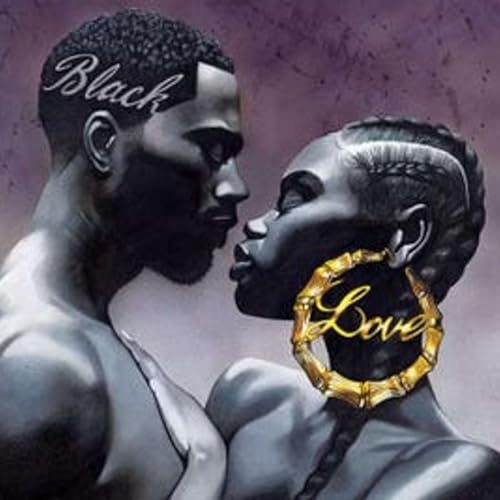
  • Ep 35 Black American Love Grows Through Joy And Survival
    Apr 9 2026

    Send us Fan Mail

    Black American love is often talked about like it’s either a fairy tale or a struggle story. We don’t buy either version. We zoom out to see love as a full ecosystem: romantic partnership, family bonds, friendship networks, chosen kin, cultural rituals, and the institutions that help people stay connected when the outside world makes intimacy harder than it should be.

    We walk through the historical forces that shaped Black relationships in the United States, from slavery’s forced separations to segregation, the Great Migration, and today’s structural racism. Then we bring it into daily life: how mass incarceration and economic inequality affect dating, marriage, and parenting, and why multigenerational households, mutual aid, and resource pooling can be expressions of love as much as survival. Along the way, we name the joy too: reunions, cookouts, church homecomings, music, humor, and the everyday rituals that keep culture and care alive.

    We also confront the myths that flatten real people into caricatures, from “dysfunctional relationships” to the “strong Black woman” script and assumptions about Black fatherhood. We talk mental health, therapy stigma, communication skills that prevent small problems from turning into crises, and what healthy intimacy looks like when trust, consent, and emotional safety are treated as non-negotiable. We make space for diversity across region, class, immigration history, faith, and LGBTQ+ Black love, because a single story can’t hold a whole community.

    If you want a deeper, more honest framework for Black love, relationships, and community care, press play. Subscribe, share with a friend, and leave a review so more listeners can find the conversation.

    Support the show

    Show More Show Less
    24 mins
  • Ep 34 Time, Truth, And the New Album W.O.E (Psalm Cepher 2)
    Feb 18 2026

    Send us Fan Mail

    The room felt different the moment we said WOE out loud. Not just the title of Psalm Cheper new 10-track project, but a posture: a clear warning wrapped in courage, crafted to help us endure with eyes open. We talk about what it takes to build a cohesive album you can play straight through—how inviting the Holy Spirit into the studio shapes decisions, how frequency choices change the way a chorus lands in your chest, and why clarity of message matters more than ever.

    We spin standout cuts and break them down from the inside. Time is a memory you can taste: streetlights and family tables, government cheese and grandma’s “hush, the Lord is speaking.” It’s nostalgic on purpose, a way to show what we’ve lost and why drifting with the times has a cost. Genesis answers with restraint: a vocal-forward piece that nods to classic soul while staying anchored in now. Across the project you’ll hear R&B warmth, hip-hop grit, touches of house, rock, Latin cadence, and pop sensibility—all serving message, never burying it.

    Their creative partnership is its own lesson. He writes, produces, engineers; she studies, adapts, and pushes her voice across styles with discipline. Love looks like better takes, sharper breath control, and honest feedback that keeps the music honest. We also get real about independence, pricing, and promotion in a sea of algorithms, then open a new lane: Down The Bay, a coming-of-age pilot set in Mobile that lifts local stories, community ties, and young leadership.

    If you’ve been craving faith-driven music that still slaps, storytelling that respects your intelligence, and a reminder that unity starts with shared pillars, this one’s for you. Stream the conversation, share it with someone who needs a lift, and support the album so this work keeps growing. Subscribe, rate, and leave a review to help more people find the show—and tell us which lyric stayed with you after the music faded.

    Support the show

    Show More Show Less
    1 hr and 56 mins
  • Ep 33 From Pulpit To Protest: Reclaiming One God And Indigenous Roots(With Moreah Yaqob and Sis Latorya
    Feb 11 2026

    Send us Fan Mail

    Start with the map you were given, then flip it. That’s the energy we bring as we dig into faith, music, and identity with a raw, scripture‑first lens that challenges the “over there” story and asks what happens when the clues point to “over here.” I sit down with Mori Yacob and Latoria G to talk about how years in church, Islam, and philosophy gave way to a hard restart: follow the One God, read the text closely, and match it against land, animals, water, and lived history. The goal isn’t shock value—it’s clarity. If the language, etymology, and environmental details fit the Americas, what else about our story needs to be reclaimed?

    We push into genealogy and paper trails, from Mississippi and Choctaw lines to shifting labels like mulatto, Black, and African American. We unpack how immigration and “buffer classes” shape local economics, why so many surround Black America and then rewrite the script, and how covenant language about judgment and order translates into practical steps: repent, realign, and the extraction slows. It’s a tough conversation, but it’s precise. We cite Jeremiah and Deuteronomy, then bring it home with something you can press play on: two new records built to teach, not just trend.

    “Shots Fired” is a diss record that targets doctrines and charts instead of people. “One God Chant” stacks prophetic verses into a bar‑by‑bar catechism that turns study into cadence. Together, they model a way to make music that carries receipts—verses, context, and a call to action. We also talk craft, collaboration, and what it means to build your own label, videos, and distribution when the old gates won’t open. If you’ve been hungry for conversation that treats scripture seriously, honors indigenous claims, and believes hip‑hop can be a theology of place, this one is for you.

    Listen, argue, take notes, and share it with someone who cares about truth more than trends. If it moves you, subscribe, rate the show, and drop a review—your voice helps this message reach the people who need it most.

    Support the show

    Show More Show Less
    1 hr and 59 mins