• Why Speech Apraxia Is Still Overlooked: Training Gaps, Bias, and Breaking Into the Profession-Ruth Rowntree
    Jan 29 2026

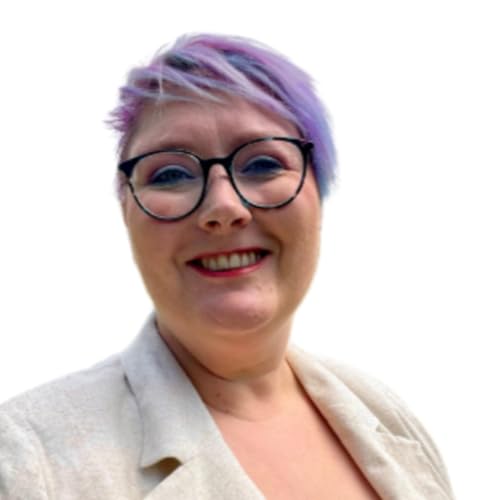
    In this episode, Ruth Rowntree interviewed by Libby Hall, takes a clear-eyed look at why speech apraxia remains so poorly understood within speech and language therapy. She examines the persistent gaps in university training, the limited exposure many clinicians have to apraxia in practice, and the consequences this has for diagnosis, confidence, and care.

    Ruth also speaks candidly about the often unspoken barriers faced by people entering the SLT profession with a speech difference. Drawing on lived experience and professional insight, she challenges assumptions about competence, communication, and credibility, and makes the case for a profession that better reflects the diversity of the people it serves.

    This is a thoughtful, uncompromising conversation about education, bias, and what needs to change if speech and language therapy is to truly understand and include speech apraxia.

    Show More Show Less
    27 mins
  • Neurodiversity in Speech and Language Therapy: Lived Experience, Identity, and Inclusion with Jodee Simpson
    Jan 15 2026

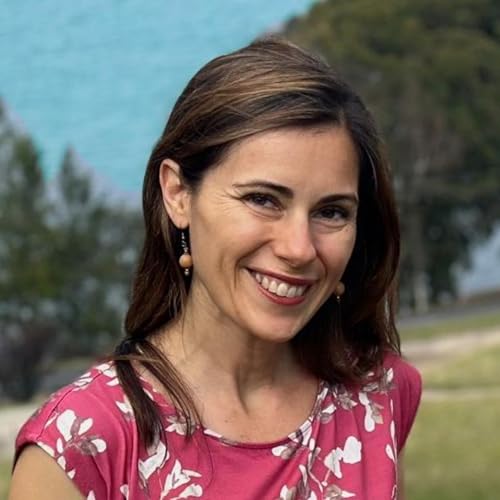
    In this episode, Jodie Simpson, an autistic speech and language therapist, talks openly about her journey into the profession and her research on neurodiversity within speech and language therapy. Jodie explores the realities faced by neurodivergent therapists, including discrimination, ableism, and barriers within training and clinical practice. She challenges deficit-based thinking and makes a clear case for recognising and valuing neurodivergent differences rather than framing them as disorders.

    Jodie also discusses her research into professional identity and highlights the distinct strengths and perspectives neurodivergent therapists bring to their work with clients, families, and colleagues. We underline the urgent need for more inclusive education, workplaces, and professional cultures. The episode ends with a clear message: embracing difference strengthens the profession, and neurodivergent therapists deserve recognition, support, and equal opportunity to thrive.

    Show More Show Less
    30 mins
  • Acquired Apraxia of Speech-How to treat and assess with Kimberley Williams of Nova Speech Therapy
    Jan 1 2026

    Kimberley Williams explores the realities of working with acquired apraxia of speech, a rare motor speech disorder that most often presents alongside aphasia following stroke. Drawing on extensive clinical experience, Kimberley explains the specialist skills required, the challenges clinicians face, and what effective support looks like in practice. She also reflects on the personal and professional motivations that led her into this field, offering a grounded, honest perspective on why this work matters and what continues to drive her commitment to people living with acquired apraxia of speech.

    Show More Show Less
    22 mins
  • Speech Apraxia, Care and Context in India with Appas Saha
    Dec 19 2025

    Distinguished Assistant Professor Appas Saha joins us from India to discuss speech apraxia awareness, care, and diagnosis in his country. He explores how families navigate assessment and therapy for children with childhood apraxia of speech, highlighting both the challenges they face and the progress being made. He also shares his hopes for the future of support and understanding in this important field.


    Show More Show Less
    35 mins
  • Why isn’t he talking? It can’t just be autism
    Dec 5 2025

    When Lottie Berry’s non-speaking autistic son Joshua didn’t follow the normal pathway for speech progression, she started to question why.Yes, he was autistic, but that didn’t explain why he couldn’t talk. Lottie talks about how she bravely pushed for a diagnosis for his speech disorder on the NHS and secured an adapted speech assessment, which resulted in a diagnosis of Suspected Childhood Apraxia of Speech (CAS).Josh now has intensive speech therapy sessions for CAS on the NHS that have helped unlock his voice alongside his trusty speech device Monty (Proloquo2Go).Lottie says, “I had given up hope that he was ever going to talk with his mouth - I just didn’t think it was ever going to happen…the fact he can now say mummy (and other words) with his mouth is the best thing ever for him and me.”Lottie Berry is the Founder of Tap Type Talk, an autism, apraxia, and AAC advocacy platform.

    Show More Show Less
    26 mins
  • Picking targets and working with childhood apraxia of speech
    Nov 21 2025

    Olga Komadina talks about why she chose to work in speech apraxia and her route into the field. What are the challenges and how do you make decisions about children? Olga has years of experience working with childhood apraxia of speech.

    Show More Show Less
    55 mins
  • Acquired apraxia of speech- Jon Hunt, founder of Cuespeak
    Nov 14 2025

    In this episode, Jon Hunt discusses how apraxia affects people after a stroke and shares insights from his work supporting individuals with acquired apraxia of speech and aphasia. He explores the challenges of diagnosis, common misconceptions about treatment, and how these conditions often overlap more than many realise.

    Jon also talks about designing the Cuespeak therapy app, created to help people practice speech and communication more effectively. He explains how apraxia therapy tends to focus on the mechanics of speech, while aphasia therapy targets language processing—but in reality, speech and language are deeply connected, and both approaches can complement each other in therapy.

    Show More Show Less
    22 mins
  • Acquired apraxia of speech after a stroke- Stroke Survivors Speech & Language Support Group
    Nov 5 2025

    Liz Bedson runs the Stroke Survivors Speech and Language Support group. She explains the effects of stroke on speech and language, how her organisation supports individuals with apraxia of speech and is looking to also train their volunteers.

    The organisation supports Stroke Survivors in Cheshire, UK and surrounding areas with speech, language and communication difficulties with fun activities in a safe, person centered way.

    They empower stroke survivors to recover, reclaim and rebuild their lives after stroke through fun and engaging activities. Helping them become more motivated, they become more resilient and feel less isolated.

    Show More Show Less
    17 mins