The Neural Arena cover art

The Neural Arena

The Neural Arena

Written by: Coach Taylor
Listen for free

About this listen

Neural engineering for performance under pressure. Sprints. Hurdles. Middle distance. Jumps. Throws. This is not sports psychology. This is not motivation. This is not technique. The Neural Arena examines how the nervous system behaves when speed, timing, and consequence collide — in the call room, on the runway, in the blocks, in the final round. Rhythm. Delay. Collapse. Control. Identity under load. Hosted by Coach Taylor. Mentored in the Soviet system. Built from four decades inside elite sport. Performance is not trained. It is engineered. students of the sportCoach Taylor
Episodes
  • When the Game Gets Violent: Neural Control in Professional Rugby
    Feb 1 2026

    Rugby isn’t lost because players lack fitness, strength, or desire.
    It’s lost when the nervous system degrades under collision, fatigue, and chaos.

    In this episode, we break down how elite rugby performance is governed by neural control, not mindset or motivation — and why decision-making, timing, and skill execution collapse late in games despite good preparation.

    We cover:

    • what repeated collision actually does to the nervous system

    • why “mental toughness” fails at pro level

    • the real cause of late-game errors

    • how elite players stay neurologically organised under pressure

    This is not sports psychology.
    It’s neural performance under contact — for players, coaches, and performance staff working at the highest level.

    Show More Show Less
    13 mins
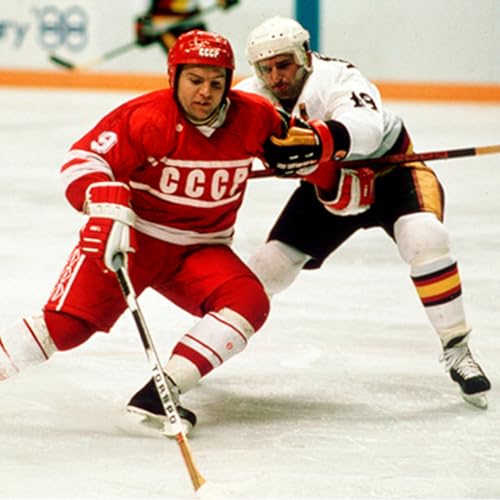
  • Why Mental Training Is Surface-Level in Elite Ice Hockey
    Feb 1 2026

    Most elite ice hockey teams don’t fail because of mindset, confidence, or motivation.
    They fail because performance collapses below the level sports psychology can reach.

    In this episode, we dissect why traditional mental training is fundamentally surface-level — operating in the cognitive layer — while elite ice hockey performance is decided inside the nervous system under speed, threat, fatigue, and chaos.

    We examine:

    • why focus cues, breathing, and confidence disappear at game speed

    • how collision, momentum swings, and fatigue bypass conscious control

    • the biological limits of sports psychology in elite environments

    • why players “know what to do” but lose access under pressure

    • how dominant systems (including Soviet ice hockey) trained control without calling it “mental”

    This is not a critique of psychology — it’s a clarification of where it stops working.

    Elite hockey isn’t lost mentally.
    It’s lost neurally.

    A clinical, systems-level breakdown for coaches, practitioners, and high-performance environments that want real answers — not surface solutions.

    Show More Show Less
    9 mins
  • 200 Metres: The Most Neurologically Deceptive Sprint
    Jan 30 2026

    The 200 metres looks like a simple sprint — one bend, one straight.
    In reality, it is the event where the nervous system changes state earliest and most quietly.

    This episode of Neural Arena examines the 200 m as a transition problem, not a speed or endurance test. Athletes rarely lose the race at the finish. They lose it at the bend-to-straight transition, when the nervous system narrows timing, elasticity, and permission before fatigue arrives.

    This is why great 100 m sprinters often struggle in the 200, why effort increases as speed falls, and why the cleanest 200 m races look almost effortless.

    The 200 isn’t decided by who runs hardest at the end.
    It’s decided by whose nervous system never changes state.

    Show More Show Less
    14 mins
No reviews yet