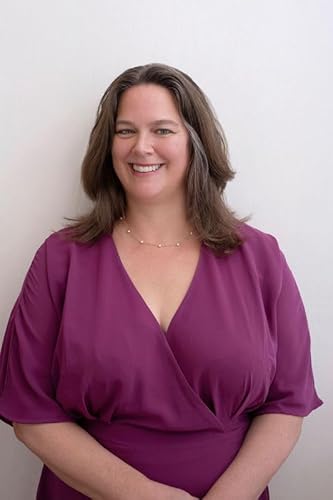
• Abbey Phillipson on Visibility & Advocacy for Rare Types of EDS
    May 18 2026
    Host Dr. Libby Hinsley interviews Abbey Phillipson, a classical Ehlers-Danlos syndrome (EDS) advocate and Paralympic strength and conditioning coach at the University of Michigan. Abbey shares her experience with early signs, diagnosis via genetics (COL5A1), and serious complications of Classical EDS. She discusses why some rare EDS types may be diagnosed earlier yet still missed, de novo mutation rates, and definitions and prevalence of rare vs ultra-rare EDS types. Abbey describes founding the patient-led Collagen Advocacy Network to connect people with rare subtypes, critiques how growing EDS awareness can create misunderstanding of rare types, and proposes more nuanced naming to support individualized care amid anticipated 2026 criteria changes. She also shares a bit about her inspiring work in adaptive sports and disability-inclusive fitness. 00:00 Welcome to Zebra Talks 00:35 Meet Abbey Phillipson 01:59 Classical EDS Diagnosis Story 04:07 Symptoms and Complications 05:55 When Rare Types Get Diagnosed 07:46 De Novo Mutations Explained 08:42 Rare vs Ultra Rare Prevalence 11:51 Building a Rare Types Group 13:21 Making Rare Real Together 14:36 Awareness Boom and Erasure 19:21 A More Nuanced Future 22:54 Renaming and Reorganizing EDS 26:34 Criteria Changes and 2026 30:58 Collagen Advocacy Network 32:08 Paralympic Coaching and Adaptive Sport 34:34 Strength Training and Joyful Movement 35:48 Final Thanks and Goodbye
    Show More Show Less
    36 mins
  • Pelvic Floor Dysfunction & Hypermobility with Dr. Amy Stein
    May 11 2026
    Host Dr. Libby Hinsley interviews pelvic floor physical therapist and author Dr. Amy Stein, founder of Beyond Basics Physical Therapy. Stein discusses the strong overlap she sees between hypermobility and pelvic floor dysfunction (estimating about 70% of her patients), including patterns of pelvic floor gripping used for stability, pelvic pain, prolapse, hernias, constipation/IBS symptoms, possible pelvic congestion, and bladder, bowel, and sexual dysfunction across all genders. She emphasizes a multimodal approach: calming tissues, building stability gradually with isometrics and deep core work, modifying exercise, and prioritizing nervous system regulation and mindfulness. Stein also addresses perimenopause/menopause and their effects on symptoms, tissue elasticity, muscle health, and the role of hormone therapy and topical creams. She describes her Wellness By Nature CBD products and advises seeking experienced pelvic floor PTs with thorough assessment. Highlights of this episode include: 00:00 Welcome to Zebra Talks 00:35 Meet Amy Stein 01:45 Hypermobility overlap 03:59 Amy’s bendy story 05:57 Common pelvic patterns 07:26 Multimodal treatment 09:47 Pelvic floor basics 12:07 Stability and exercise 15:35 Bowel and congestion 18:18 Perimenopause and hormones 22:48 Tissue changes and creams 24:18 CBD products explained 27:37 Lifestyle and whole body 31:27 Finding the right pelvic PT 33:40 Wrap up and resources
    Show More Show Less
    36 mins
  • Hip Dysplasia, Micro-Instability, and Hypermobility with Dr. Ginger Garner
    May 4 2026
    Host Dr. Libby Hinsley welcomes pelvic and orthopedic rehabilitation expert Dr. Ginger Garner to Zebra Talks to discuss hip pain in hypermobility syndromes, focusing on hip dysplasia, borderline dysplasia, and micro-instability, which commonly coexist with generalized joint hypermobility. Garner cites studies showing over two thirds—and up to 78% in one cohort—of patients with hip dysplasia meet hypermobility criteria, emphasizing screening beyond labral tears and FAI. She describes practical signs and stresses the value of weight-bearing x-rays, manual therapy, and self-treatment tools, and shares her background integrating yoga, public health, and lifestyle medicine. 00:00 Welcome to Zebra Talks 00:35 Meet Dr Ginger Garner 02:28 Why Hips Matter 03:07 Dysplasia and Hypermobility 05:33 What Hip Dysplasia Is 07:00 Quick Screening Clues 10:36 Why Dysplasia Gets Missed 13:17 Stuck Tight Yet Unstable 15:40 Choosing the Right Surgeon 19:01 Imaging Red Flags 20:54 Treatment Phases Overview 22:39 Imaging the Glute Med 25:24 Trauma and Pelvic Floor Findings 26:40 Manual Therapy for Relief 27:46 Imaging Breakthrough 28:36 Manual Therapy Matters 29:54 Rant on Rehab Protocols 32:14 Self Treatment Tools 36:46 Surgery vs Rehab Choices 38:35 Hormones and Systemic Drivers 40:04 Origin Story and Yoga 47:36 Red Flags and Where to Find Help 49:40 Wrap Up and Next Episode
    Show More Show Less
    50 mins
  • Hypermobility & Foot Pain with Kala Hildebrand
    Apr 27 2026

    In this episode, Dr. Libby Hinsley hosts Zebra Talks and interviews physical therapist and massage therapist Kala Hildebrand about hypermobility and feet, including common presentations of chronic foot pain in bendy bodies and why issues aren’t limited to “floppy” overpronation. Kala discusses how long-standing pain often comes with fear, limited information, and habituated strategies like constant shoe use or lifelong orthotics without an exit plan, and emphasizes reassessing current reality rather than old stories. They explore the value of gradually reintroducing sensory input and progressing slowly toward functional strength, while considering whole-chain contributors from foot to hip and pelvis.

    00:00 Welcome to Zebra Talks

    00:35 Meet Kala Hildebrand

    02:03 Dance and Hypermobility

    04:13 Common Foot Pain Patterns

    05:41 Chronic Pain Stories

    09:03 Barefoot Tolerance Check

    11:24 Feet Freedom Myth

    13:56 Libby Foot Pain Journey

    15:59 Whole Body Foot Clues

    18:45 Hip Mobility Meets Feet

    20:43 Pain Free Loading

    21:26 Motor Control Lightbulbs

    22:44 Compression vs Distraction

    23:02 Force Transmission Chain

    24:01 Isometrics for Foot Pain

    25:33 Progressive Loading Mindset

    28:16 Thriving Not Striving

    29:29 Plantar Fasciitis Myths

    30:58 Orthotics Exit Strategy

    33:28 Intrinsic Foot Strength Plan

    36:35 Resources and Wrap Up

    Show More Show Less
    39 mins
  • Taming the Zebra: Tethered Cord and Cranio-Cervical Instability in Hypermobility with Heather Purdin
    Apr 20 2026

    Host Dr. Libby Hinsley welcomes physical therapist and manual therapist Heather Purdin, co-author of “Taming the Zebra,” to discuss her book and her biopsychosocial approach to treating hypermobility syndromes. The conversation continues by highlighting tethered cord syndrome, its key features, imaging considerations, conservative/manual approaches, and surgical cautions. They also discuss cranio-cervical instability versus a hypermobile neck, the role of inflammation/MCAS, stabilization strategies, and referrals, and share where to find Purdin’s resources and courses.

    00:00 Welcome to Zebra Talks

    00:35 Meet Heather Purdin

    02:31 Becoming a Zebra Tamer

    04:15 Why Write Taming the Zebra

    06:52 What Volume Two Covers

    09:56 Systemic Context for PT

    11:36 Reader Feedback and Hope

    12:29 Tethered Cord Explained

    15:30 Symptoms and Screening Clues

    17:28 Bladder Testing and Differentials

    19:06 MCAS and Fascia Research

    21:43 When to Refer and Imaging

    23:46 Prone MRI Insights

    24:36 Gentle Tethered Cord Relief

    25:29 Alignment Triggers and Safety

    27:52 CCI Versus Hypermobility

    28:56 Symptoms and Muscle Retraining

    32:05 Inflammation, MCAS, and Imaging

    34:45 Stabilization Training Example

    38:48 Posture Pelvis Ribcage Link

    40:22 Neck Exercise Progressions

    42:41 Mindset and Finding Providers

    44:31 Resources and Wrap Up

    EPISODE LINKS & RESOURCES:

    Taming the Zebra

    Good Health Physical Therapy and Wellness

    Follow Heather Purdin on Instagram @heather_purdinpt

    Follow Taming the Zebra on Instagram @tamingthezebra

    Follow Good Health Physical Therapy and Wellness on Instagram @goodhealthptpdx

    Follow Good Health Physical Therapy and Wellness on Facebook

    LINKS AND RESOURCES:

    Learn more about Dr. Libby Hinsley, How to Work with Her, or Join her Email List

    Follow Libby Hinsley on Instagram @libbyhinsleypt

    Follow Libby Hinsley on Facebook

    Leave a review on iTunes

    Show More Show Less
    46 mins
  • Eating Disorders and Hypermobility: An Embodied Recovery Approach with Heidi Andersen
    Apr 13 2026
    Host Dr. Libby Hinsley welcomes Heidi Andersen, a licensed clinical mental health counselor supervisor and founder of Reclaiming Beauty, to discuss eating disorders and their overlap with hypermobility syndromes. Heidi describes shifting from traditional CBT/DBT-focused treatment toward Embodied Recovery for Eating Disorders, reframing disordered eating and chronic tension as adaptive responses shaped by nervous system regulation, sensory processing, trauma, attachment history, and underlying health issues, including hypermobility syndromes and related comorbidities. EPISODE HIGHLIGHTS: 00:00 Welcome to Zebra Talks 00:41 Meet Heidi Andersen 02:45 From Burnout to Embodied Recovery 06:58 Hypermobility and Nourishment Clues 08:08 Why This Overlap Is Trending 11:07 Eating Disorder Definitions 15:41 Age of Onset and Diagnostic Confusion 18:16 Research on Anorexia and Hypermobility 21:23 Containment Safety and Proprioception 23:09 Strength Training Grounding 24:25 Developmental Movement Push 27:15 Reframing Restriction Wisdom 28:06 Autism Sensory Overlap 31:21 Treatment Window Tolerance 33:43 Medical Motility Referrals 34:55 Vagus Nerve Compression 38:07 Somatic Tools Boundaries 39:00 Directories Closing Resources

    EPISODE LINKS & RESOURCES:

    Reclaiming Beauty

    Follow Heidi Andersen at Reclaiming Beauty on Instagram @reclaimingbeauty

    LINKS AND RESOURCES:

    Learn more about Dr. Libby Hinsley, How to Work with Her, or Join her Email List

    Follow Libby Hinsley on Instagram @libbyhinsleypt

    Follow Libby Hinsley on Facebook

    Leave a review on iTunes

    Show More Show Less
    42 mins
  • POTS, MCAS, and Pelvic Venous Disease: Dr. Alexis Cutchins on the “Bendy, Itchy, and Dizzy” Trifecta
    Apr 6 2026

    Host Dr. Libby Hinsley welcomes cardiologist Dr. Alexis Cutchins, who left Emory after 13 years to open a private practice in New York City with the goal of building a multidisciplinary center for hypermobility spectrum disorders. Dr. Cutchins describes how curiosity led her into treating patients with POTS, dysautonomia, long COVID, EDS, and MCAS, and explains that MCAS can both drive and be triggered by POTS physiology. She also explains pelvic venous disease/left iliac vein compression as a frequent contributor to pooling, reduced cerebral perfusion, and orthostatic symptoms, sometimes treated mechanically with venous stenting.

    EPISODE HIGHLIGHTS:

    00:00 Welcome to Zebra Talks

    00:35 Meet Dr Alexis Cutchins

    02:13 Why She Focuses on POTS

    04:24 Leaving Emory for NYC

    05:09 Building a Center of Excellence

    06:40 Hypermobility in POTS Patients

    07:44 MCAS and Connective Tissue Link

    08:35 How MCAS Worsens POTS

    12:24 Treating MCAS Stepwise

    14:56 Do POTS Subtypes Matter

    16:30 Tilt Table Test Debate

    19:07 Stigma Around POTS Diagnosis

    20:04 Stigma And Awareness

    20:27 Primary Care POTS Care

    20:51 Heart Rate Reassurance

    22:11 MCAS Symptom Overlap

    23:55 Why Mast Cells Trigger

    26:04 Pelvic Venous Disease

    27:51 Iliac Compression Explained

    31:14 Symptoms And Red Flags

    33:19 Stents And Treatment

    35:39 Where To Find Dr. Cutchins

    36:34 Telehealth And Wrap

    EPISODE LINKS & RESOURCES:

    Cutchins Cardiovascular Medicine

    Follow Dr. Alexis Cutchins, MD on Instagram @drcutchins

    Follow Dr. Alexis Cutchins, MD on YouTube @DrCutchins

    LINKS AND RESOURCES:

    Follow Libby Hinsley on Instagram @libbyhinsleypt

    Follow Libby Hinsley on Facebook

    Learn more about Libby Hinsley, How to Work with Her, or Join her Email List

    Leave a review on iTunes

    Show More Show Less
    37 mins
  • Genetic Testing and hEDS: The Risks of Direct-to-Consumer Tests with Dr. Poorvi Desai
    Mar 30 2026

    Host Dr. Libby Hinsley welcomes Dr. Poorvi Desai, a board-certified hematologist-oncologist living with hypermobile Ehlers-Danlos syndrome (hEDS) and comorbidities. Dr. Desai explains genetic testing basics (single-gene, exome, and whole-genome sequencing), distinguishing somatic testing from germline inherited testing used for hereditary connective tissue disorders. She notes that 13 of 14 EDS subtypes have identified single-gene causes, but hEDS does not. They warn that direct-to-consumer genetic tests can be misleading, produce uncertain results, and may require retesting, emphasizing clinician-ordered, validated testing mainly to exclude other conditions like vascular EDS, and expressing hope for updated 2026 criteria and improved evidence-based care.

    00:00 Welcome to Zebra Talks

    00:36 Meet Dr Poorvi Desai

    01:14 Poorvi’s Hypermobility Journey

    03:47 Genetic Testing Basics

    06:00 Germline vs Somatic Testing

    08:24 How Sequencing Works Today

    10:10 Why HEDS Lacks a Gene

    10:37 HEDGE Study Findings

    15:05 Polygenic Neuroimmune Model

    18:05 Direct to Consumer Pitfalls

    28:26 Using Testing to Exclude Types

    32:08 Access Cost and System Gaps

    34:49 Hope New Criteria and Treatments

    39:10 Evidence Based Caution

    41:10 Where to Find Dr. Desai

    42:05 Final Thanks and Goodbye

    EPISODE LINKS & RESOURCES:

    Follow Dr. Poorvi Desai, MD on Instagram @drpoorvidesai

    Follow Dr. Poorvi Desai, MD on Substack @drpoorvidesai

    Follow Dr. Poorvi Desai, MD on YouTube @drpoorvidesai

    LINKS AND RESOURCES:

    Follow Libby Hinsley on Instagram @libbyhinsleypt

    Follow Libby Hinsley on Facebook

    Learn more about Libby Hinsley, How to Work with Her, or Join her Email List

    Leave a review on iTunes

    Show More Show Less
    42 mins