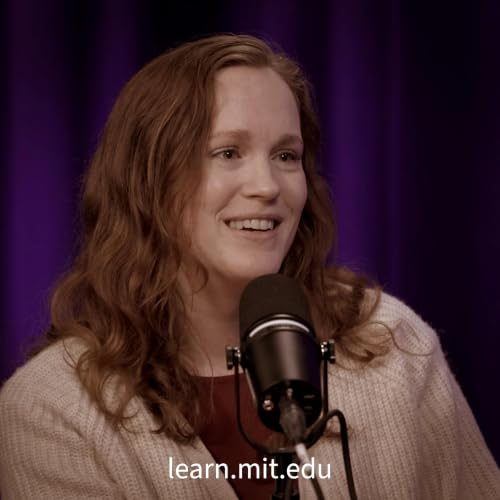
• Inside the Cell: Why Pathogens are the World’s Best Cell Biologists with Becky Lamason
    Jun 1 2026
    Description:Understanding how bacteria evade our immune systems and cause disease is vital for developing better treatments and diagnostics. In this MIT Learn Beyond Biology episode, MIT professor Becky Lamason shares her insights on bacterial pathogens, their interaction with human cells, and the future of infectious disease research. This discussion reveals not only the complexity of microbes but also how innovative science can uncover new paradigms in host-pathogen interactions. Stay to the end to learn more about Becky’s personal path to the lab.Resources:MIT Learn online cell biology coursesVideo of this episodeMIT Department of Biology Profile of Becky LamasonKey topics:How bacterial pathogens break the rules of survival and adaptationExamples of bacterial infections and the dangers they pose—Listeria, Rickettsia, Salmonella, VibrioThe unique strategies bacteria use to invade and persist inside human cellsThe difference between bacterial, viral, fungal, and parasitic pathogensAntibiotic resistance: development, implications, and the importance of proper useHow bacterial size and shape compare to human cellsMechanisms of bacterial entry into cells via force or protein tricksThe obligate dependence of certain bacteria like Rickettsia on living inside host cellsThe tick transmission cycle and how bacteria jump from vectors into humansCell-to-cell spread of bacteria and the importance of intracellular movementThe role of modern tools—genetics, microscopy, genome editing—in understanding pathogen biologyFuture directions: expanding research to environmental vectors, developing broad-spectrum diagnostics, and leveraging new technologiesTimestamps:00:00 - The unpredictability of pathogens and their survival strategies00:24 - Introduction to Becky Lamason and the importance of bacterial pathogens01:08 - Common bacterial pathogens and infections in daily life01:33 - Food recalls and bacterial contamination in the environment02:13 - Focus on Listeria monocytogenes and clinical implications02:41 - Other bacteria like Rickettsia and their deadly potential03:15 - Symptoms of spotted fevers caused by Rickettsia03:20 - The range of bacterial disease symptoms and severity04:01 - Categorizing pathogens: bacteria, viruses, fungi, and parasites04:28 - Bacteria’s size relative to other microbes and complexity05:04 - The diversity within bacterial pathogens and their unique features05:20 - Treatment options for bacterial infections and antibiotic sensitivity05:48 - Antibiotic resistance: evolution, biology, and clinical impact06:26 - Practical advice: importance of completing antibiotic courses08:02 - The analogy of pathogens as cell biologists and their survival tactics08:41 - Bacteria’s ability to break rules of host cell biology11:25 - Comparing bacterial size to human cells; visualization of scale12:19 - How bacteria enter human cells through force or mimicry12:33 - The dependency of certain bacteria on living inside host cells15:28 - Transmission cycles involving ticks and environmental reservoirs17:28 - Mechanisms of bacterial cell spreading and invasion strategies19:00 - The concept of acute infection phases and bacterial proliferation20:14 - The ultimate goal of bacteria: replication and dissemination21:28 - Safety measures in the lab working with pathogenic bacteria23:33 - Connecting basic research to clinical applications and diagnostics25:09 - The power of microscopy and visual data in understanding infection27:38 - Memorable discoveries and unexpected breakthroughs in the lab29:28 - Future tech: genome editing, large-scale genetic analysis, and new directions31:33 - The significance of bacteria targeting host cell organelles like ER and nuclei33:01 - Becky’s journey, switching questions and embracing multidisciplinary work35:41 - Building community and embracing the unknown in scientific research37:25 - From high school curiosity to MIT professor: Becky’s personal story39:56 - Balancing real-world jobs and academic pursuits42:12 - The future of bacterial research: new tools and broader applications44:02 - Final thoughts and encouragement to explore and collaborate
    Show More Show Less
    45 mins
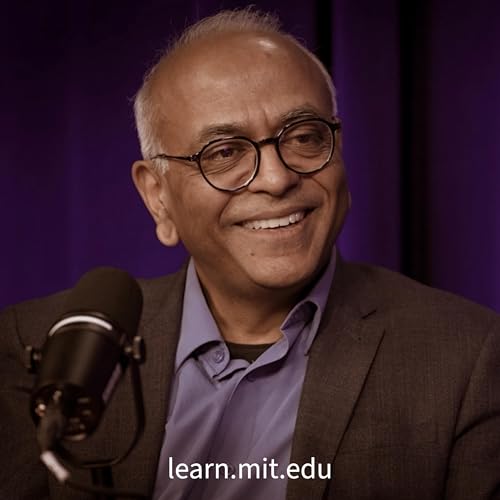
  • Unlocking Brain Plasticity: Treating Blindness in India with Pawan Sinha
    May 4 2026

    In this episode, MIT Professor Pawan Sinha delves into the science of vision, brain plasticity, and the transformative power of scientific innovation in addressing global health challenges. Discover how research on early visual deprivation has shaped our understanding of neural development, and explore the inspirational journey of his nonprofit, Project Prakash, transforming lives in India.

    In this episode:

    • The historical context of the 1981 Nobel Prize on critical periods in vision development
    • The mechanisms of visual processing in the brain, as discovered by Hubel and Wiesel
    • The role and surprising findings from the monocular deprivation studies in kittens
    • How William James' description of a newborn's sensory experience relates to visual development
    • The personal story of Darius, Professor Sinha's son, and its impact on his research
    • The global challenge of childhood blindness, especially in India, and the potential for treatment
    • The surgical process and scientific opportunities provided by early intervention in cataract cases
    • The experimental insights into how dynamic perception plays a crucial role in visual development
    • The founding, achievements, and ongoing work of Project Prakash over the past 21 years
    • The educational impact of immersive global experiences for MIT students in India
    • A discussion on autism, sensory sensitivities, and the link with visual processing differences
    • The importance of challenging received wisdom and embracing scientific curiosity for advancing knowledge

    MIT Learn: MIT’s hub for a growing collection of lifelong learning experiences

    Project Prakash: To learn about Pawan Sinha's ongoing work in India

    Show More Show Less
    46 mins