• AI in Cancer Care with Brian Persing, M.D.
    Oct 15 2026

    A patient recently came to see Brian Persing, M.D. with a list of questions about their lung cancer, every one of them written by AI. He answered them all, and he noticed that a few were tailored to that patient in ways even an attentive doctor might not think to raise. That story opens Dr. JYP's conversation with Dr. Persing, a hematologist and medical oncologist who has returned to the USA Health Mitchell Cancer Institute as its new director.


    Most people hear "artificial intelligence" and picture a chatbot, but at MCI much of the work happens out of sight. Canopy Care checks in with patients on treatment by text or email and alerts the care team when a symptom can't wait. LeanTaaS studies the clinic schedule to shorten wait times, and other software follows lung nodules that turn up on scans taken for unrelated reasons, so a finding from a car accident doesn't slip through the cracks.


    The two doctors are just as candid about the limits of artificial intelligence. Information generated by chatbots can be months out of date and sometimes even fully invented. Security measures dictate that patient information has to stay private, so what can be inputted has to omit any identifying information. For these reasons and more, no algorithm will ever replace the professionals in the exam room, Dr. Persing says.

    Relevant Links

    Brian E. Persing, M.D. | USA Health - Mitchell Cancer Institute | Medical Oncologist And Hematologist

    Persing named director of USA Health Mitchell Cancer Institute

    Submit your questions for the show at cancering.com


    3 Key Listener Takeaways

    1. Much of the AI in cancer care Is invisible

    Patients on treatment at MCI receive a short weekly survey from Canopy Care by text or email. If an answer crosses a threshold, such as unexpected vomiting or new shortness of breath, the care team is alerted right away and the patient gets clear instructions on what to do next, even if they hadn't thought to call. Behind the front desk, LeanTaaS learns which appointments tend to run long and adjusts the schedule to match. Persing admits he is one of the clinicians who gives it reason to.


    2. Speed is not the same as accuracy

    Persing recently joined a panel that tested the NCCN and ASCO guidelines against Claude and ChatGPT. The clinicians loved getting answers in 15 to 30 seconds, but they didn't trust them, and the experts who reviewed the results found they weren't always right. Pierce has her own cautionary tale: a chatbot once sent her to a Paris café that doesn't exist. For medical questions, both doctors recommend vetted sources like UpToDate and OpenEvidence, and they encourage patients to lean on their own physician to help make sense of what they find online.


    3. The human stays in the room

    AI may help oncologists keep pace with the 15 to 20 new cancer drugs now approved each year, flag interactions buried in a long medication list, and turn an eighth-grade drug information sheet into one written at a first-grade level. Even so, when Canopy Care raises an alert, someone from the care team still picks up the phone to confirm it, and every new AI tool at USA Health goes before a special committee to make sure it is safe. When asked what he hopes AI will be doing in 10 years, Persing keeps it simple. He wants it to work so seamlessly that it fades into the background and gives clinicians more time face to face with their patients.

    Show Overview

    00:00 A patient arrives with questions written by AI

    03:07 What AI really means in cancer care

    05:22 When chatbots make things up

    07:28 Turning medical jargon into plain language

    08:43 How Canopy Care keeps tabs on patients between visits

    11:01 Shorter waits through smarter scheduling

    12:02 Ambient recording and protecting patient privacy

    14:37 Catching cancer earlier

    17:51 Moving from precision medicine to personalized medicine

    21:15 The next five to 10 years, including virtual tumor boards

    25:42 Why AI will never replace the human touch

    Show More Show Less
    32 mins
  • The Night Everything Changed: Surviving Sudden Trauma
    Sep 10 2026


    In this emotional episode of the Cancering Show, Dr. JYP shares a deeply personal story about the unexpected health crisis that disrupted her and her family's life. After her husband, Chris, suffered a heart attack, she was suddenly thrust from her role as a physician into the roles of wife, caregiver, and mother navigating trauma and healing. She opens up about their journey through crisis, the challenges of caregiving, the realities of post-traumatic stress, and the ongoing process of healing as a family. Throughout the episode, Dr. JYP emphasizes the parallels between the journeys faced by families dealing with cancer, heart disease, and other life-altering events, underscoring the universality of healing and resilience, what she calls "cancering."


    3 Key Listener Takeaways

    1.The Universality of Trauma and Healing

    The conversation focuses on how life-altering events such as cancer, heart disease, loss, or trauma reshape individuals and families in profound ways. No matter the diagnosis or event, the emotional and psychological journey of coping, healing, and caregiving shares many universal features. Whether someone is a patient, caregiver, or loved one, the process of adjusting to a new reality brings similar challenges and growth opportunities for everyone involved. This episode underscores the notion that these experiences transcend any specific illness and connect deeply with the human condition.


    2. Caregivers Need Care, Too

    Dr. JYP discusses the critical importance of recognizing that caregivers themselves require support and care. She explores how caregivers often shoulder an immense emotional and logistical burden, sometimes neglecting their own needs in the process. She covers lessons learned about the necessity of allowing oneself to accept help, utilizing therapy, and giving space for emotional processing. Recovery -- whether the patient or the caregiver -- is not linear and can include setbacks. Understanding and accepting this can alleviate guilt and feelings of inadequacy.


    3. Healing Is Ongoing, Not a Fixed Destination

    A key theme is the idea that healing does not have a definite end point. Dr. JYP points out that the aftermath of a life crisis creates a "new normal," where fears and anxieties linger, yet life must be rebuilt with intention and hope. She explores how both patient and family must find ways to adapt, embracing new routines, identities, and methods of self-care to continue living meaningfully. Healing is an ongoing practice, not simply a stage to check off before resuming normal life. It requires conscious choices, resilience, and community support to navigate the ongoing uncertainties that follow trauma.


    Show Overview

    00:00 Dr. JYP's life-changing medical emergency
    05:31 Her husband's traumatic cardiac event
    09:25 Learning about recovery and healing
    15:42 Discussing EMDR and caregiving therapy
    17:06 Coping with burnout and healing

    Show More Show Less
    21 mins
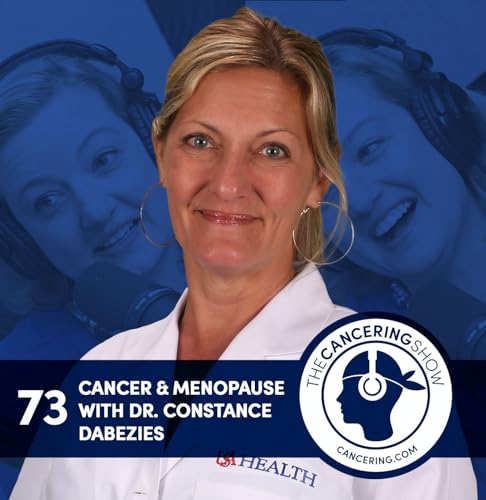
  • Cancer and Menopause with Dr. Constance Dabezies
    Nov 19 2025

    In this episode of The Cancering Show, Dr. JYP sits down with menopause specialist Dr. Constance Dabezies for a candid conversation about where cancer care and menopause meet. They talk about why menopause deserves real attention in survivorship, how cancer treatments can trigger or intensify symptoms, and what women can do to feel better. From hormone therapy to non-hormonal options and everyday lifestyle shifts, they walk through practical ways to manage symptoms.

    The episode highlights the importance of personalized care, the latest evidence-based guidance from the Menopause Society, and the crucial role gynecologists play in supporting long-term wellness after cancer. Listeners also get tips on finding reliable information from trusted sources such as menopause.org.


    3 Key Takeaways


    1. Menopause and cancer are deeply connected, especially for survivors.

    Dr. Dabezies points out that many cancer survivors are now living long, full lives after treatment, and spending a big part of that time in menopause. While menopause itself doesn't raise cancer risk (that's really about age), cancer therapies like chemotherapy or surgery can bring on menopause early and suddenly. That abrupt drop in estrogen can make symptoms more intense and raise long-term risks for heart disease and osteoporosis. It's a big reason midlife survivors need thoughtful, whole-person care.

    2. Hormone therapy is safer and more Personalized than ever.

    The conversation clears up a lot of confusion around hormone therapy. Today's FDA-approved bioidentical hormones, which are covered by most insurance, are very different from older synthetic versions. For women without hormone-sensitive cancers, hormone replacement therapy can be a safe, effective way to ease significant menopausal symptoms. Even for women with hormone-sensitive cancers, there are newer non-hormonal treatments and localized estrogen options that can make a huge difference, especially for vaginal and urinary symptoms.


    3. Gynecologists are key partners in survivorship and long-term wellness.

    Dr. Dabezies and Dr. JYP emphasize that gynecologists aren't just menopause experts; they're central partners in survivorship care. From cancer screenings and sexual health to bone strength, heart health, mental well-being, and lifestyle support, they help women navigate the full picture of post-cancer life. They encourage listeners to lean on expert guidance and use trusted resources like the Menopause Society for solid, evidence-based information.


    Show Overview


    00:00 Menopause Insights with Dr. Dabezies

    05:08 Estrogen Loss and Menopause Effects

    09:30 Vaginal Estrogen and Systemic Therapy

    10:41 Non-Hormonal Menopause Treatment Options

    14:59 Memory Issues and Estrogen Loss

    16:30 Holistic Approach to Wellness

    22:27 Osteoporosis Treatment Strategies

    24:26 Gynecologist: Key to Women's Health

    26:45 Women's Health Holistic Approach

    Show More Show Less
    29 mins
  • Chemo 101 with Mary Lucy Mattei
    Oct 7 2025

    In this episode, Dr. JYP talks with Mary Lucy Mattei, a nurse practitioner specializing in gynecologic oncology, all about chemotherapy basics: "Chemo 101." They explain what chemotherapy is, why it's used, and what patients can expect during treatment. Mary Lucy shares practical advice on what to wear and what to bring on the first infusion day. She covers common side effects such as fatigue, nausea, constipation, hair loss, and nerve problems, and provides guidance on how to manage them.They discuss the emotional impact of losing hair and explore options such as wigs, scarves, and even eyebrow tattooing. Mary Lucy also talks about ways to prevent and treat neuropathy and stresses the importance of staying hydrated and keeping a normal routine as much as possible. Both encourage patients to ask questions and reach out for support.

    3 Key Takeaways


    1. Chemo education and patient support are essential

    Mary Lucy Mattei, a nurse practitioner in gynecologic oncology at theUSA Health Mitchell Cancer Institute, emphasizes the importance of thorough chemotherapy education tailored to each patient's needs. She provides a compassionate environment where patients and their families can ask questions, clarify details about their diagnosis and treatment plan, and get practical advice. This approach helps demystify the treatment process, reduce anxiety, and prepare patients both mentally and physically for what's ahead.

    2. Manage side effects through proactive care

    The episode highlights common chemotherapy side effects, such as fatigue, nausea, constipation, hair loss, and neuropathy. Mary Lucy and Dr. JYP discuss strategies for minimizing side effects, including using pre-medication to reduce or prevent nausea or allergic reactions, over-the-counter remedies for constipation, and employing supportive measures such as ice packs to help prevent neuropathy. They remind patients to report concerning symptoms so that care teams can intervene right away.


    3. Emotional support and lifestyle continuity matter

    Beyond the medical aspects, the episode addresses the emotional challenges of chemotherapy, including how to prepare for what many patients fear most: hair loss. Resources such as wig fittings, support volunteers, and even tattoo artists for brow or nipple restoration are shared as ways to help cancer patients maintain their sense of self. Importantly, they encourage patients to continue living their lives, maintaining their work, daily routines, and social engagement as much as possible to foster a sense of normalcy and emotional resilience during treatment. As Mary Lucy says, "This is a bump in the road."


    Show Overview


    00:00 Comforting Patient Consultations

    04:32 Patient Chemotherapy Start Guide

    08:02 Chemotherapy and Pre-Medication Overview

    10:36 Chemo Effects: Fatigue and More

    15:30 Patient Communication and Treatment Scheduling

    18:45 Wig Resources for Cancer Patients

    22:03 Planning for Chemo Cycles

    25:17 Cold Capping in Chemotherapy

    26:59 Preventing Neuropathy

    Show More Show Less
    33 mins
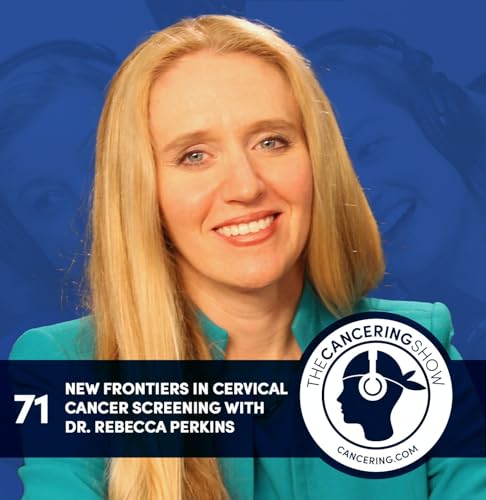
  • New Frontiers In Cervical Cancer Screening with Dr. Rebecca Perkins
    Sep 11 2025


    In this episode of The Cancering Show, host Dr. Jennifer Young Pierce talks with Dr. Rebecca Perkins, a nationally recognized expert in cervical cancer prevention, about the latest updates in HPV testing and cervical cancer screening. They emphasize that HPV (human papillomavirus) is linked to virtually all cervical cancers (and several other cancers in men and women), and that testing for high-risk HPV is better at catching problems early compared with the traditional Pap test. The episode highlights new self-collection kits, in which patients can collect their own sample, usually at a doctor's office, to make screening easier without a pelvic exam. However, if the test result is positive, the patient will need to follow up with a doctor for further tests. Home testing kits are also being introduced, but they're not widely available yet. The main takeaway is that knowing your HPV status is crucial for preventing cervical cancer, and self-collection options will make screening more accessible for many people in the future. Listeners are encouraged to talk to their doctor about the best screening option for them and to always follow up after a positive test. Resources such as the American Cancer Society's "Screening Tests for Cervical Cancer" and cervicalrisk.com are recommended for more information.


    3 Key Takeaways


    1. HPV testing is more effective than the Pap test alone.
The conversation emphasizes that HPV causes the vast majority of cervical cancers (99.7%), making HPV testing a critical component of early detection. Dr. Perkins explains that HPV testing can detect about 90% of pre-cancers and cancers, compared to roughly 70% with Pap tests. Because of its higher sensitivity, HPV testing can be done less frequently while still providing strong protection.


    2. Self-collection for HPV testing expands access to screening.
Self-collection kits for HPV testing, which allow patients to collect their own samples in a clinic setting without a pelvic exam, are becoming more available.This approach encourages cervical cancer screening for individuals who may avoid or delay pelvic exams and helps integrate screening into primary care, family medicine, and even mobile clinics. While at-home kits are still not widely available, in-clinic self-collection is currently a promising step toward improving screening rates.


    3. Follow-up after a positive HPV test is essential.
If a patient tests positive for high-risk HPV, especially types 16 or 18, it is important to follow up with additional testing or procedures, such as colposcopy, to check for pre-cancerous changes.The episode stresses that no one who tests positive for high-risk HPV should wait longer than one year for further evaluation, underlining the importance of timely follow-up to prevent cervical cancer.


    Show Overview


    02:17 Meet Rebecca Perkins, MD, MSc

    03:11 HPV test vs. Pap test

    04:55 Know your status

    05:19 What to know if your HPV test is positive

    08:39 HPV self-collection

    10:48 Who should see a doctor for an exam?

    14:00 Types of self-collection

    18:50 HPV vaccine has reduced cervical cancer rates

    20:28 Importance of follow-up after positive test results

    21:15 When will home self-collection be available?

    24:12 Where to find out more

    Show More Show Less
    28 mins
  • The Power of Oncology Yoga with Michelle Ryan-Day
    Aug 13 2025

    In this episode of The Cancering Show, Dr. JYP welcomes certified oncology yoga instructor Michelle Ryan-Day to discuss the transformative impact of yoga for cancer patients and survivors. Michelle shares her journey into oncology yoga, emphasizing its evidence-based benefits, including reducing recurrence risk, managing treatment side effects such as fatigue and neuropathy, and supporting emotional health. The conversation highlights the accessibility of chair-based yoga tailored for all fitness levels, the power of the breath, and the importance of self-compassion in healing. Listeners also get a bonus: a 60-second guided breath exercise to try out yoga's self-care benefits.

    Check out yoga4cancer.com for more yoga info!


    3 Key Listener Takeaways


    1. Yoga is accessible and beneficial for cancer patients and survivors

    Michelle Ryan-Day emphasizes that yoga — especially oncology-specific, chair-based yoga — is accessible for everyone, regardless of physical limitations or where they are in their cancer journey. Oncology yoga classes are designed to be safe and effective, taking into account common cancer treatment side effects such as fatigue, lymphedema, neuropathy, and low bone density. The focus is not on advanced poses, but on gentle movement, community, and adapting practices to individual needs so that anyone can participate and experience the benefits.

    2. Evidence supports yoga's role in recovery and survivorship

    Dr. JYP notes that yoga is a well-studied intervention, supported by hundreds of studies and recommended by reputable organizations such as the American Cancer Society. Practicing yoga regularly can help treat symptoms including fatigue, emotional distress, and physical limitations. It may also reduce the risk of cancer recurrence and enhance long-term health and survivorship, making it a valuable, low-cost addition to cancer care.


    3. Mindfulness and breathwork play a vital role in healing

    They discuss the transformative power of awareness, especially through breathwork and mindfulness. Learning to control and be mindful of one's breath can regulate the nervous system, reduce anxiety, and promote feelings of well-being and self-compassion. Michelle walks listeners through a simple breathing exercise, demonstrating how breath can be an immediate tool for physical and emotional balance. This focus on mindfulness promotes not only physical recovery but also the emotional healing and self-acceptance crucial to cancer survivorship.


    Show Overview


    02:05 Meet Michelle Ryan-Day

    03:28 "When the student is ready, the teacher will appear."

    05:30 A different kind of yoga

    09:30 Who can benefit from oncology yoga?

    13:30 Special considerations for cancer patients and survivors

    15:08 Learn to love yourself and your body

    19:50 60-second breath exercise for listeners

    23:00 What cancer patients say about oncology yoga

    Show More Show Less
    27 mins
  • Zapping Liver Tumors with Dr. Natalie Bath
    Jul 31 2025

    In this episode, Dr. JYP talks with Dr. Natalie Bath, M.D., a USA Health surgical oncologist, about a new groundbreaking cancer treatment for liver tumors called histotripsy. Histotripsy is a non-invasive technology that uses high-intensity sound waves to break up liver tumors without surgery, incisions or long recovery times. Patients go under general anesthesia, and the machine delivers sound waves to the cancer cells while the physician uses imaging to monitor the treatment. Most people go home the same day and recover quickly, needing only over-the-counter pain medication. This treatment works for different types of liver tumors, including those that have spread from other cancers, and it doesn't require people to stop blood thinners. Histotripsy is FDA-approved for liver tumors and offers hope for patients who might not have other options. This episode encourages patients to ask their doctors about all possible treatments and to keep learning more about their choices.


    3 Key Listener Takeaways

    Groundbreaking, Non-Invasive Liver Cancer Treatment

    The episode introduces histotripsy, an exciting new technology that uses focused ultrasound waves from outside the body to destroy liver tumors in a non-invasive manner. This innovative approach preserves surrounding liver tissue and offers an option for patients who might not be candidates for surgery.

    Eligibility and Patient Benefits

    Histotripsy can be used to treat both primary liver cancer and metastatic cancers from other sites. It's especially promising for patients who are not surgical candidates or who are on medications like blood thinners that would otherwise complicate surgery. With minimal recovery — often just a same-day or next-day discharge — patients experience less downtime and can continue other therapies, such as chemotherapy or immunotherapy, without interruption.

    Expansion of Treatment Options and Ongoing Research

    The episode highlights how histotripsy adds to the arsenal of cancer care, offering hope and additional options, especially for those who previously had few. It is FDA-approved for liver tumors, with ongoing research exploring its use for kidney, prostate, and pancreatic cancers. Patients are encouraged to advocate for themselves, ask about new technologies, and seek out multimodal therapies that combine traditional and emerging treatments for the best possible outcomes.


    Show Overview

    00:45 Introduction to histotripsy, a groundbreaking, non-invasive treatment for liver tumors

    01:26 Meet Dr. Natalie Bath

    02:20 First adopter in Alabama

    03:15 What patients can expect

    04:55 Who is a candidate?

    07:49 Benefits of non-invasive treatment

    10:45 FDA approved for liver tumors

    15:05 Potential uses for histotripsy

    16:45 Where to learn more

    Show More Show Less
    20 mins
  • From Doctor To Patient with Dr. Thomas Butler
    May 14 2025

    In this episode, Dr. JYP welcomes back Dr. Thomas Butler, a seasoned oncologist who specializes in supportive oncology. Dr. Butler shares his journey from humble beginnings and a fascination with science to a career in cancer care, emphasizing the importance of addressing both the physical and emotional needs of patients. He discusses the distinction between palliative and supportive care, advocating for an approach that supports patients throughout their cancer journey — not just at the end of life. Dr. Butler also offers personal insights from his own cancer diagnosis, reflecting on what he has learned regarding trust, honesty, spirituality, and quality of life. Listeners will hear practical advice for navigating cancer care and the value of a compassionate, team-based approach.


    3 Key Listener Takeaways


    1. Supportive care in oncology is essential and distinct from palliative care


    Dr. Butler emphasizes the importance of supportive care, which focuses on alleviating the complications and side effects of cancer and its treatments. Unlike palliative care, which is often associated with end-of-life scenarios, supportive care is meant for patients at any stage of their cancer journey. Its goal is to address not just physical symptoms like pain and fatigue, but also emotional needs, ensuring patients don't have to suffer unnecessarily while undergoing treatment.


    2. The value of listening and building trust between doctor and patient


    A recurring theme throughout the conversation is the critical role trust and honest communication play in cancer care. Dr. Butler encourages patients to be open about their symptoms and concerns, highlighting that withholding information for fear of losing treatment options can hinder proper care. The relationship between oncologists and patients should be built on mutual respect and understanding, with doctors aiming to know the person and not just the disease.


    3. Personal experience deepens provider empathy and influences care


    Dr. Butler shares his journey from being an oncologist to becoming a cancer patient, which has profoundly impacted his outlook and practice. Experiencing cancer firsthand gave him a new perspective on the reality of side effects, the emotional burden of a diagnosis, and the importance of quality of life. This dual perspective has made him even more empathetic toward his patients and has reinforced his commitment to providing compassionate, holistic care where comfort and patient wishes are the top priorities.

    Show More Show Less
    25 mins